Premium selection of custom-engineered insulated wires for transformers, traction motors, and industrial high-frequency welding applications.
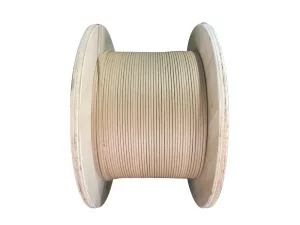
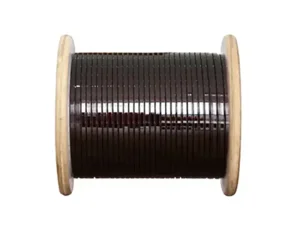
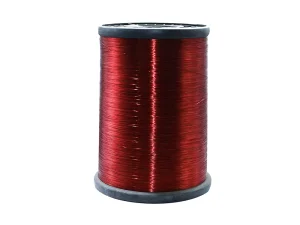
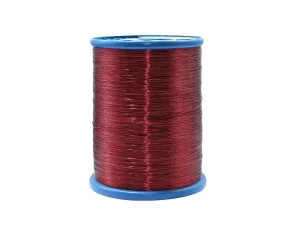
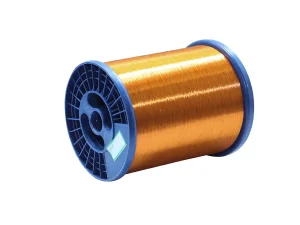
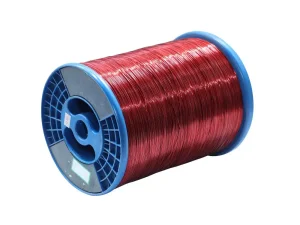
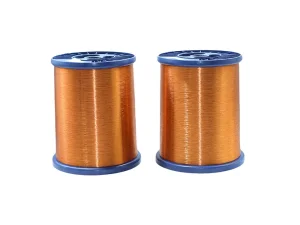
Understanding the intersection of metallurgy, polymer science, and industrial welding wire manufacturing.
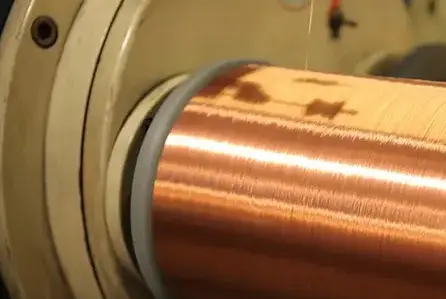
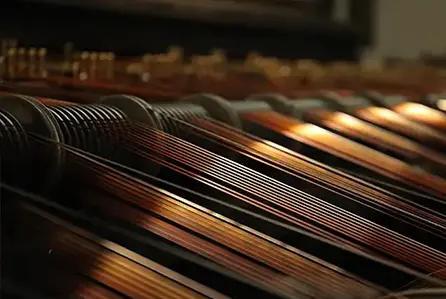
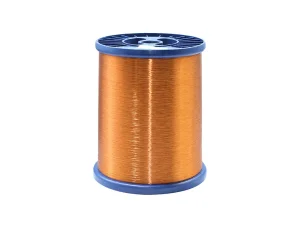
In modern electrical engineering, the choice of conductor insulation directly impacts efficiency, thermal resistance, and operational lifespan. Polyester coated welding wires and magnet wires represent a monumental shift away from primitive insulation techniques towards high-polymeric coatings. Traditional insulation often suffered from heat degradation and physical abrasion. By coating ultra-pure copper or aluminum substrates with a uniform, multi-layered polyesterimide (PEI) or polyurethane (PU) polymer film, manufacturers achieve superior dielectric breakdown strength, thermal indexes of up to 220°C, and exceptional resistance to high-frequency harmonic stresses.
In advanced welding and high-stress transformer setups, the coating must act as an impenetrable dielectric barrier under high pressure and temperature surges. Polyester-coated wires, particularly those reinforced with polyamide-imide (PAI) overcoats, withstand extreme mechanical stress during automatic winding and high-velocity welding processing.
Global purchasing managers face massive LME (London Metal Exchange) copper price fluctuations, driving a major procurement shift. Copper-Clad Aluminum (CCA) and pure enameled aluminum conductors are increasingly replacing traditional copper windings in weight-sensitive applications. While copper maintains the highest electrical conductivity, aluminum and CCA offer key advantages:
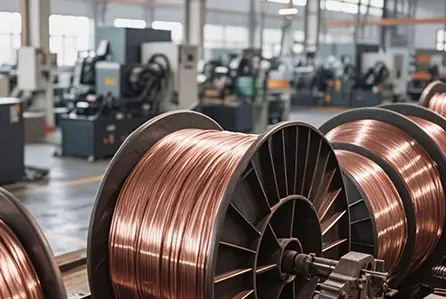
Suzhou Daiming Electrical Materials Co., Ltd., exemplifies China's Industrial 4.0 evolution. Operating from a state-of-the-art 258,333.33 ft² manufacturing base, Daiming features automated vertical and horizontal drawing-and-enameling lines. High-speed laser diameter control, computerized inline pinhole detectors, and thermal curing systems ensure structural consistency down to micron-level tolerances.
China's mature industrial ecosystem offers unrivaled shipping turnarounds, reliable alloy sourcing, and end-to-end quality tracking from ingot to finished spool. This integrated model ensures global procurement managers receive consistent quality and highly competitive pricing.
Polyester coated and enameled wires are crucial to modern high-reliability machinery. High-voltage transformers, subsea oil pumps, wind turbines, and industrial automation sensors require wires that perform under severe mechanical stresses, corrosive environments, and rapid thermal cycling.
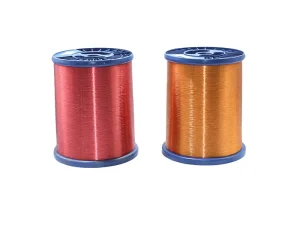
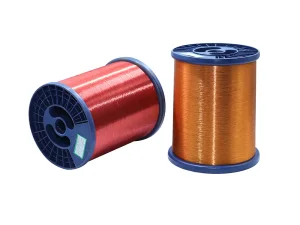
Every single spool of enameled wire undergoes computerized inline thickness profiling and spark-continuity testing to guarantee flawless insulation coverage and zero micro-pinholes.
Designed for thermal ratings up to Class 220, these wires prevent short circuits under severe winding tension and high thermal surges in continuous-use environments.
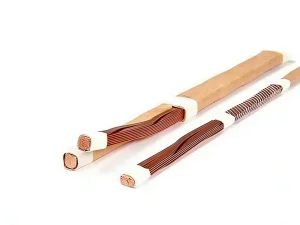
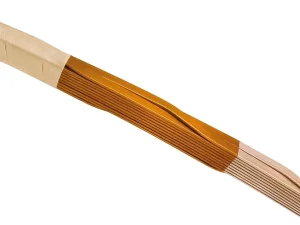
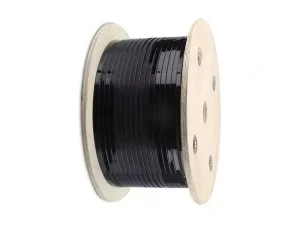
Tailored diameter configurations ranging from ultra-fine wires for aerospace electronics to heavy-gauge rectangular profiles for industrial transformer applications.
Supported by our 30+ automated lines, we ensure consistent volume production and reliable delivery timelines for large-scale global OEM supply agreements.
Featuring low-VOC production processes and RoHS-compliant materials, we help energy and automotive clients achieve their sustainability targets.
Engineered specifically to power next-generation mechanical and electrical systems.
Stay informed on high-voltage design trends, material engineering, and global logistics updates.
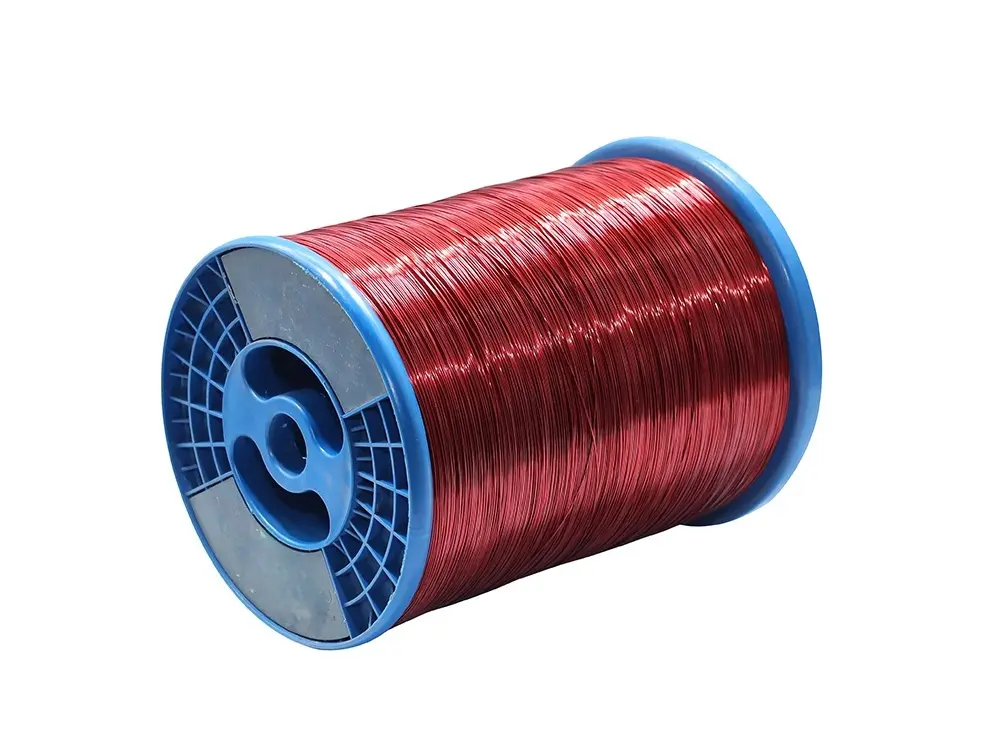
With the rapid development of new energy and high-end manufacturing in 2026, cost control and quality have become...
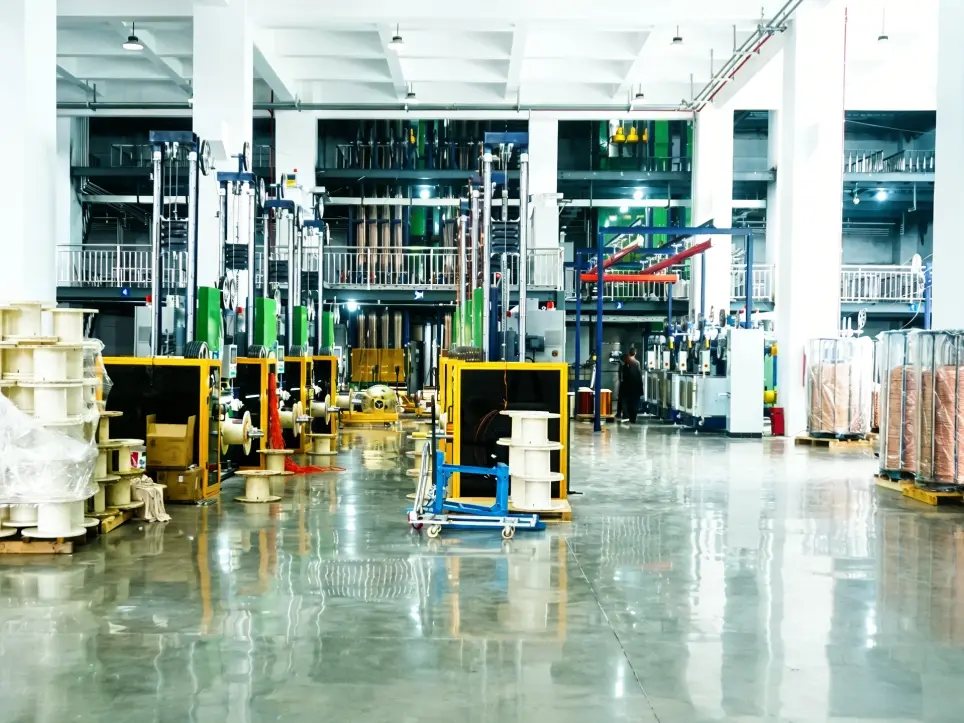
Faced with operational challenges caused by raw material price fluctuations, copper-clad aluminum wire has become the...
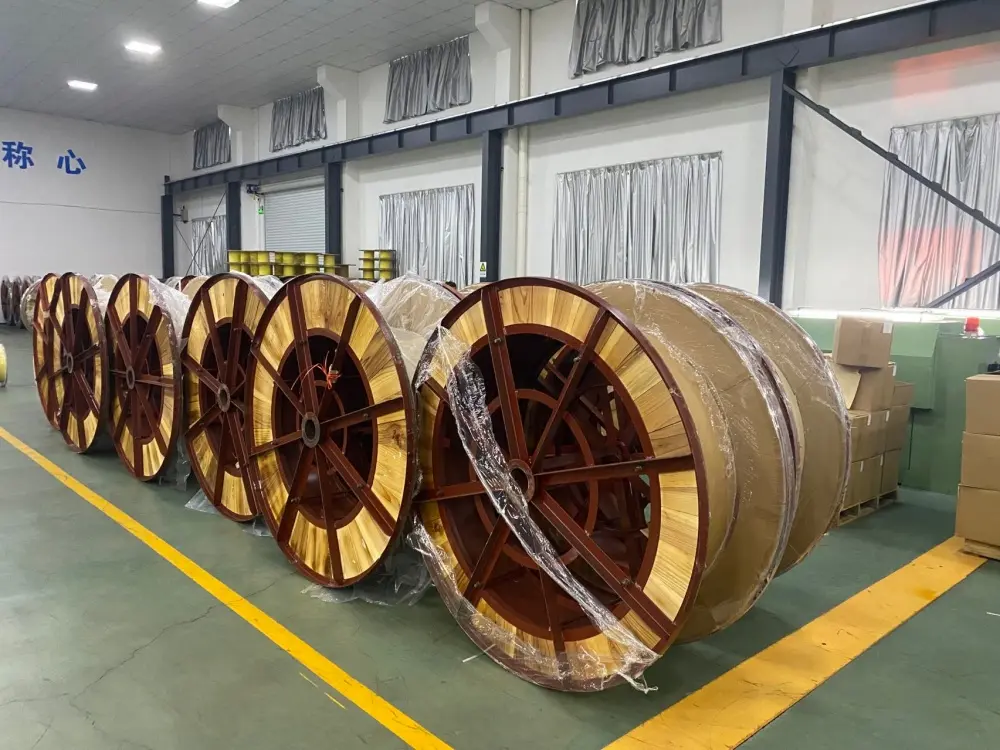
Our team successfully shipped high-quality CTC Continuously Transposed Conductors to Turkey, supporting key regional energy infrastructure...
The automotive shift toward 800V architectures demands advanced corona-resistant enameled wires. Learn how we are leading this transition...
Engineered for large-scale energy transmission grids, high-frequency induction units, and high-efficiency induction motors.
Deep engineering answers about polyester-coated wires, insulation standards, and performance specifications.
Polyester and polyesterimide (PEI) coatings provide exceptional dielectric strength, high thermal stability (ranging from Class 130 up to Class 220), and excellent chemical resistance to industrial solvents and varnishes. They prevent short circuits caused by mechanical stress during high-speed winding and dynamic motion in welding applications.
CCA is significantly lighter and more cost-effective than pure copper wire. It features an aluminum core metallurgically bonded to an outer copper layer. This structure leverages copper's high surface conductivity (crucial for high-frequency applications due to the skin effect) while reducing weight and cost, making it popular for automotive systems and lightweight transformers.
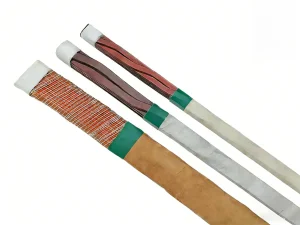
CTC systems consist of multiple insulated flat wires wound into a specific transposed pattern. Primarily used in large power transformers, CTC configurations reduce electrical losses from circulating currents, minimize hot spots, and improve winding mechanical strength against short-circuit forces.
The thermal class rating (e.g., Class 130, 155, 180, 200, 220) defines the maximum temperature the wire can withstand for a standard operating life of 20,000 hours. This is determined by the formulation of the polymer resin (such as polyurethane, modified polyester, polyesterimide, or polyamide-imide) used to coat the metal core.
At Suzhou Daiming, our quality control process integrates real-time laser wire drawing monitoring with continuous high-voltage spark testing. We conduct thorough pre-shipment inspections covering dielectric breakdown, spring-back angle, elongation, pinhole count, and adhesion to guarantee compliance with international IEC, NEMA, and JIS standards.