Engineered to exceed mechanical, thermal, and electrical benchmarks in heavy industrial and motor drive configurations.
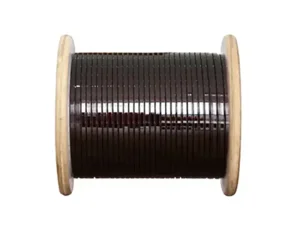
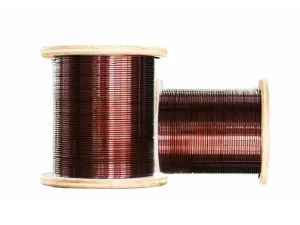
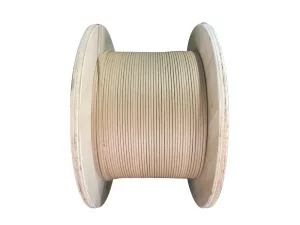
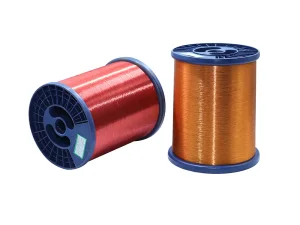
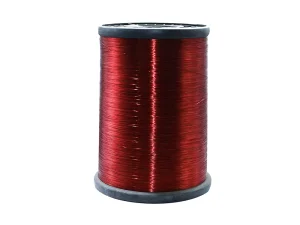
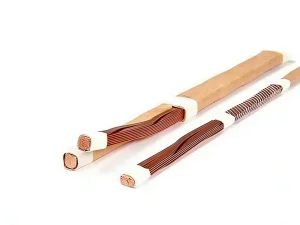
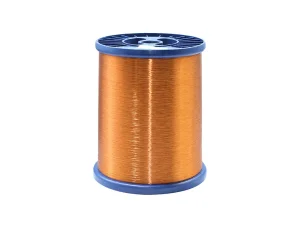
In the contemporary era of macro-electrification, the demand for highly efficient, heat-resistant, and chemically robust electromagnetic conductors has transcended historical thresholds. The transition from fossil-fueled motor architectures to advanced electric vehicles (EVs), the modernization of high-voltage transmission grids, and the emergence of high-speed rail systems necessitate deep materials science innovations. At the epicenter of this shift lies the enameled coated copper cable—a component whose microscopic properties dictate the power density, efficiency, and reliability of the host electrical systems.
Information Gain Insight: The efficiency of modern EV drive systems operating on 800V architectures relies directly on mitigating Partial Discharge (PD) and Corona Discharge effects within the magnet wire insulation layer. The utilization of polyamide-imide (PAI) and polyimide (PI) composites represents the current apex of manufacturing design, protecting motors from premature dielectric collapse under extreme voltage rise rates (dv/dt).
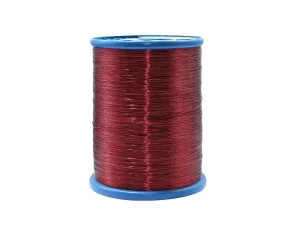
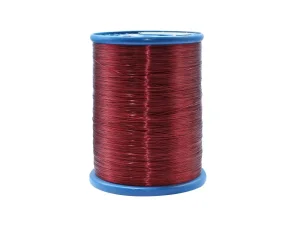
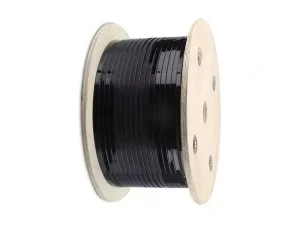
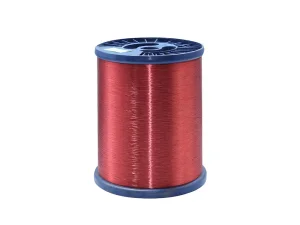
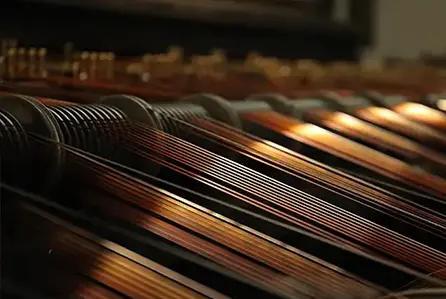
Enameled magnet wire is defined by its substrate purity and the mechanical characteristics of its thin-film insulating resin. Class 130 (Polyurethane based systems) remains the choice for standard home appliances due to its self-soldering properties, while Class 180 (Polyesterimide - PEW/EIW) and Class 200/220 (Polyesterimide overcoated with Polyamide-imide - AIW) are mandatory for industrial motors, hermetic compressors, and aerospace assemblies. Round wires satisfy the bulk of automation sensors and micro-windings, but flat (rectangular) enameled wire represents the standard for modern high-fill-factor coils, delivering up to a 20% improvement in slot space utilization over conventional configurations.
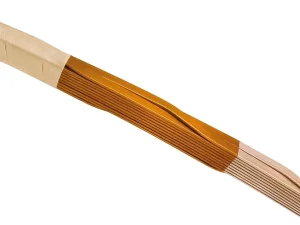
For ultra-high-voltage power networks, electrical and magnetic skin effects render standard thick-core cables inefficient. Continuous Transposed Conductors (CTC) solve this challenge by transposing individual thin rectangular strands in a specific braided geometry. This minimizes eddy current losses, balances thermal load distribution, and maximizes mechanical resistance to short-circuit forces. Standard formats include semi-rigid and self-adhesive CTC configurations, facilitating high-speed winding and ensuring exceptional mechanical rigidity within oil-immersed power transformers.
The copper market’s volatility has catalyzed the growth of Copper Clad Aluminum (CCA) and pure Enameled Aluminum wires. While copper offers superior conductivity (100% IACS), aluminum variants represent a significant weight-saving alternative (nearly 50% lighter than copper for the same current-carrying capability). In aerospace, automotive weight-reduction programs, and large-scale industrial distribution networks, alternative conductors mitigate raw material cost fluctuations while meeting stringent structural weight thresholds.
Manufacturing sites must be certified to ISO 9001, IATF 16949 (for automotive systems), and UL listings to ensure baseline dielectric consistency. Regular tests include mandrel wrap cracking, springback analysis, and high-temperature thermal cut-through tests.
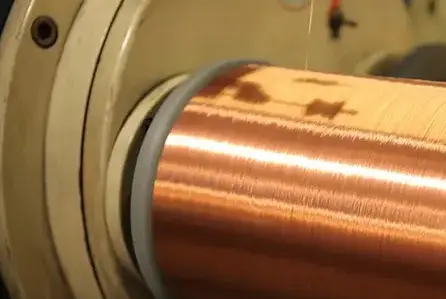
Coatings are applied in up to 30 continuous thin layers, with intermediate catalytic baking ovens optimizing solvent evaporation, cross-linking polymerization, and layer uniformity down to the micron level.
A benchmark manufacturer supplying the high-efficiency motors, grid infrastructure, and consumer electronics sectors with superior winding conductors.
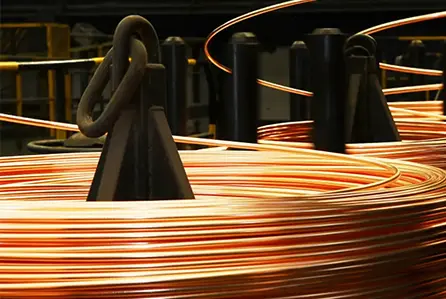
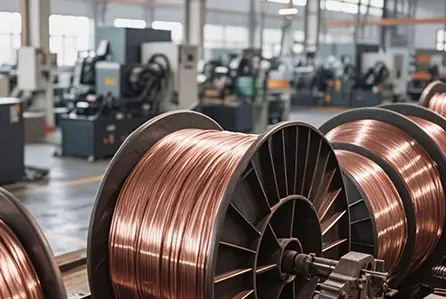
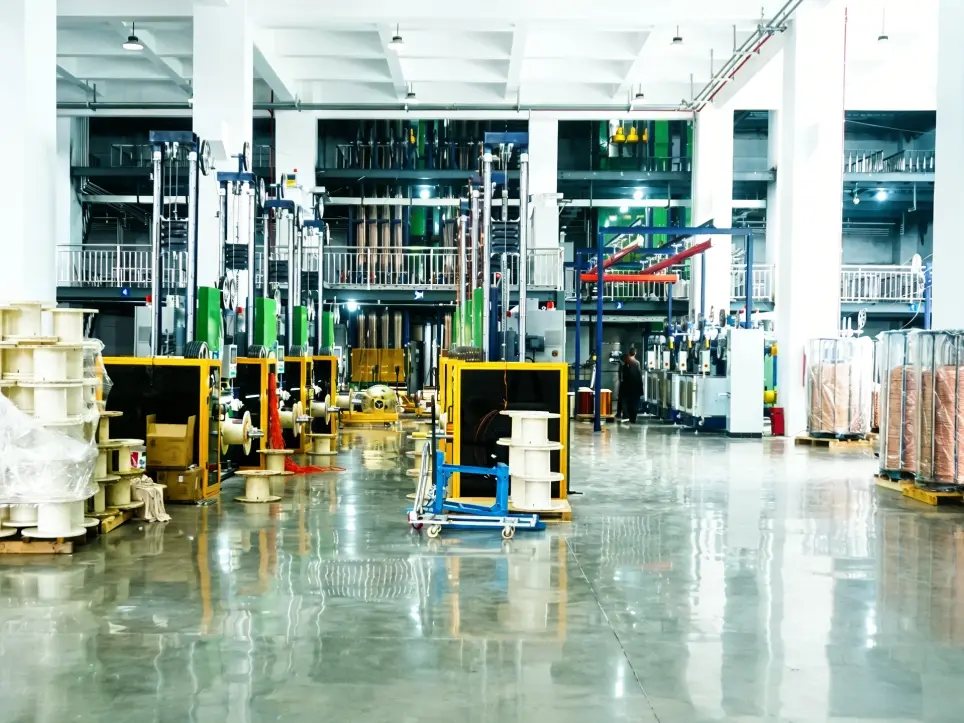
With a footprint covering 258,333.33 ft² and over 30 state-of-the-art automated production lines, Suzhou Daiming Electrical Materials Co., Ltd. integrates upstream casting, continuous extrusion, multi-stage cold drawing, and computerized inline-monitored enameling operations. Our integration guarantees absolute traceability of raw materials and uniform physical and electrical tolerances across all product lines.
By deploying advanced inline laser micrometers, high-voltage continuous pinhole detectors, and real-time viscosity feedback loops, Daiming guarantees a highly adhesive, pinhole-free insulation film. Our products satisfy challenging industrial specifications, including those found in hermetic air-conditioning compressors, sub-sea motors, and high-frequency power electronics.

Designed to deliver consistency, performance security, and customized physical profiles for challenging global projects.

Rigid concentricity control ensures the paint layer prevents dielectric breakdown and withstands mechanical friction during high-speed coil winding operations.

High thermal indexes (Class 200/220) protect systems during prolonged overloading, limiting insulating film degradation and tracking paths.

Tailored rectangulation ratios, rounded corner radii, and specific enamel thicknesses built to fit high-fill-density slot geometries.

With our large production output and streamlined raw material inventory, we guarantee reliable lead times and protection against raw material price shocks.

RoHS and REACH compliant production. Advanced solvent filtration and catalyst combustion units return thermal energy to pre-heating zones, minimizing emissions.
Delivering high dielectric properties, mechanical strength, and chemical durability to demanding industrial sectors.
Expert answers addressing the materials science, mechanical traits, and integration requirements of enameled magnet cables.
A: These acronyms represent the polymer types of the insulation layers:
A: Round wires packed together leave air gaps (interstitial spaces) which limit electrical density. Flat enameled wires can be wound tightly flush against each other, eliminating air gaps and increasing the slot fill factor to over 75% (compared to 55-60% for round wires). This raises power output, reduces winding size, and improves thermal heat dissipation inside the slots.
A: CTC structures transpose multiple individual insulated conductors. This balances current density among the strands, mitigating losses caused by magnetic flux linkages and skin effects. Additionally, CTC configurations with self-adhesive epoxy coatings bond the winding during curing, creating a rigid structure that resists radial short-circuit deformation.
A: Yes, depending on the frequency. In high-frequency operations, electrical currents migrate to the outer edge of the conductor (the skin effect). CCA wires utilize a copper outer layer over an aluminum core to provide comparable electrical performance while reducing cable weight by up to 40% and offering significant cost savings compared to solid copper.
A: We employ multi-stage drawing and continuous inline measurement systems. Our production lines use laser micrometers to track dimensions in real-time, coupled with automated die positioning to keep wire concentricity above 95%. High-voltage continuity testers (spark testers) verify that the insulation film is free from microscopic pinholes or physical defects before spooling.
Providing engineering resources, regulatory updates, and market intelligence for electrical engineers and procurement professionals.
Faced with raw material price volatility, global motor manufacturers are shifting to enameled aluminum wire options to manage costs without sacrificing thermal endurance.
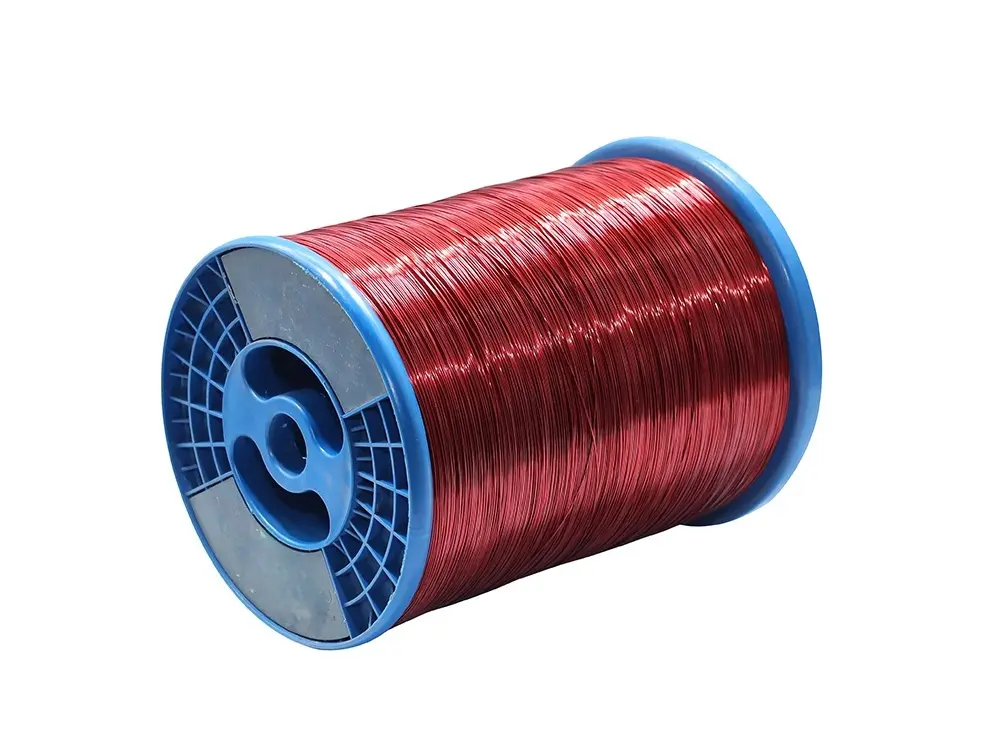
An analysis of current distribution and electrical losses in consumer electronic windings, showing how CCA reduces weight while matching efficiency benchmarks.
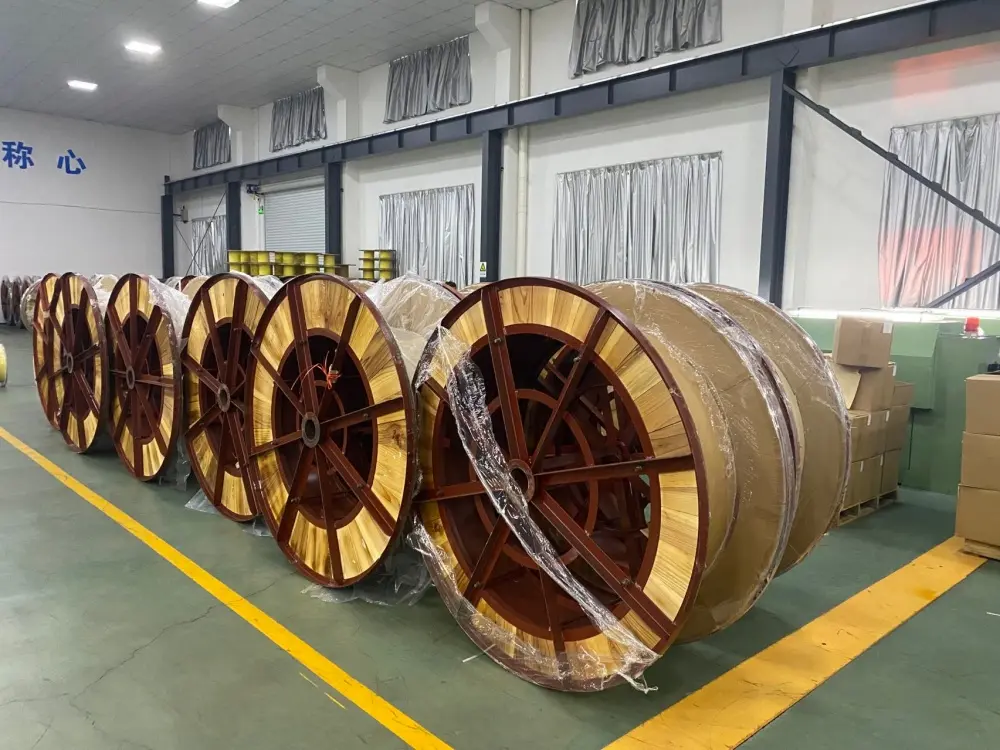
Suzhou Daiming completes delivery of custom self-adhesive CTC conductors for high-power utility transformers supporting Turkey's renewable grid integration.
Browse our full catalog of high-temperature magnet wires, paper-insulated conductors, and customized transposed structures.