Explore our flagship selection of wholesale enameled winding and magnet wires, engineered to withstand extreme thermal stresses and voltage peaks.
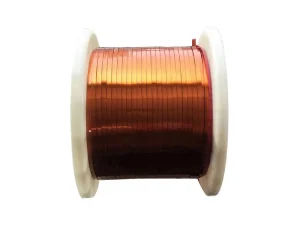
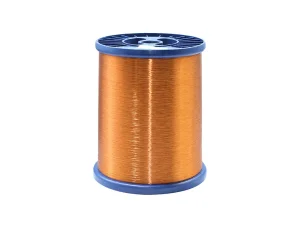
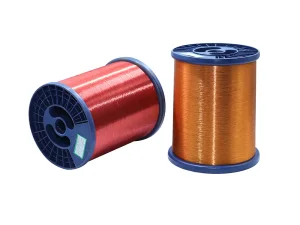
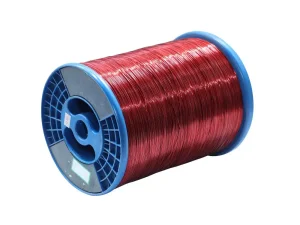
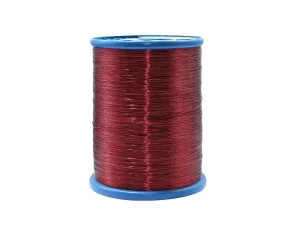
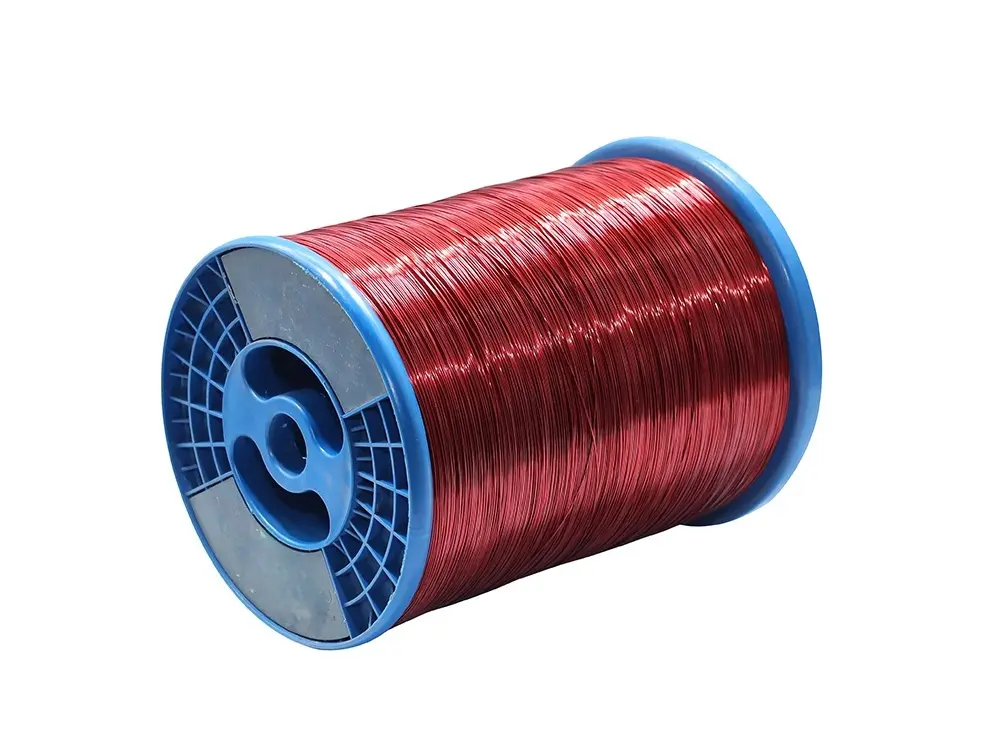
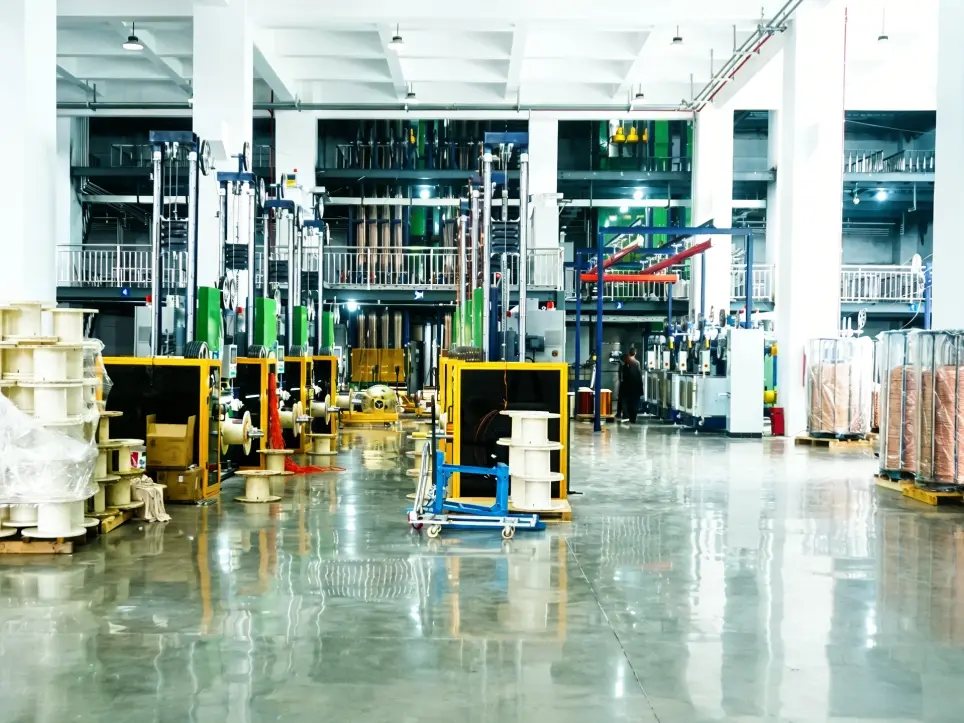
Suzhou Daiming Electrical Materials Co., Ltd. is a global leader in designing, manufacturing, and exporting high-tier winding materials, including enameled aluminum wires, enameled copper wires, and copper-clad aluminum enameled wires. Spanning a sprawling 258,333.33 ft² infrastructure, our manufacturing plant incorporates 30 advanced, state-of-the-art automated production lines. Operating under rigorous global quality control protocols (from raw material verification to advanced diagnostic testing of final shipments), we fulfill bulk custom requirements for grid applications, automotive, and industrial electronics with absolute consistency.

Modern power grids, electric drivetrains, and clean energy systems demand unprecedented electrical insulation performance. The evolution of enameled coated chain wire technologies—ranging from traditional round magnet wires to sophisticated flat profiles and Continuously Transposed Conductors (CTC)—represents the cornerstone of modern mechanical and electrical efficiency.
As electric vehicle (EV) architectures transition from 400V systems to 800V fast-charging topologies, winding wires face severe electrical stresses, such as high peak voltages and microsecond-level rise times. Standard enameled wires are susceptible to corona discharges and partial discharge erosion, leading to rapid insulation degradation.
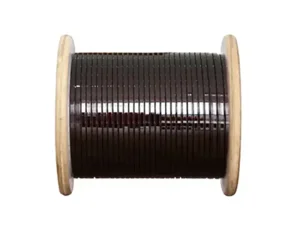
To address these conditions, advanced enameled wire manufacturers leverage high-performance polymer matrices. Coating conductors with multi-layered insulation films—combining polyesterimide (PEI) base coats with polyamide-imide (PAI) top coats—ensures robust protection against partial discharges. Furthermore, the industry is increasingly shifting towards rectangular (flat) enameled wire profiles, which optimize slot fill factor up to 80%, providing higher torque density and improved thermal dissipation.
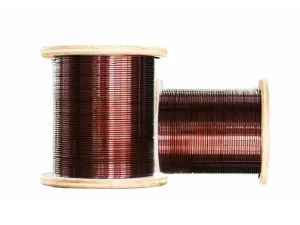
Material selection directly impacts conductivity, structural weight, and thermal performance. Enameled Copper Wires remain the benchmark for applications requiring maximum electrical conductivity and minimum spatial footprints. However, the high density and volatile pricing of copper have accelerated the adoption of alternatives.
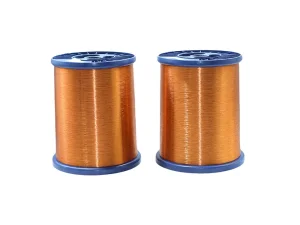
Enameled Aluminum Wires offer a significant weight reduction (up to 60% lighter than copper for equivalent resistances), making them ideal for weight-sensitive applications like aerospace, automotive alternators, and wind turbine generators. For applications requiring a balance of weight and performance, Copper-Clad Aluminum (CCA) Enameled Wires feature a copper outer sleeve over an aluminum core. This structure leverages the skin effect under high frequencies while reducing raw material costs.
In high-capacity power transformers, reducing winding losses is critical for overall grid efficiency. Under strong alternating magnetic fields, single-strand heavy copper conductors suffer from significant skin and proximity effects, resulting in eddy current losses.
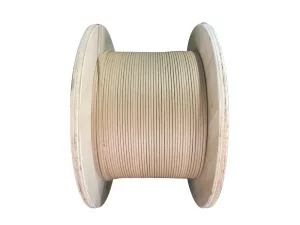
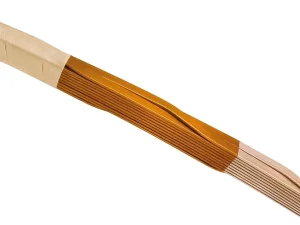
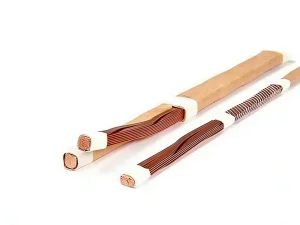
Continuously Transposed Conductors (CTC) address this challenge by weaving individual enameled flat wires into a transposed bundle. This configuration equalizes the magnetic flux path of each strand, minimizing circulating currents and heating. When combined with self-adhesive epoxy coatings, CTC windings provide excellent mechanical strength, preventing deformation under short-circuit forces.
Providing robust, high-performance winding wire solutions through state-of-the-art engineering.
Multi-stage quality checks ensure uniform enamel thickness, high breakdown voltage resistance, and excellent flexibility.
Engineered to operate reliably under high thermal stresses (up to Class 220) and resist common solvent degradation.
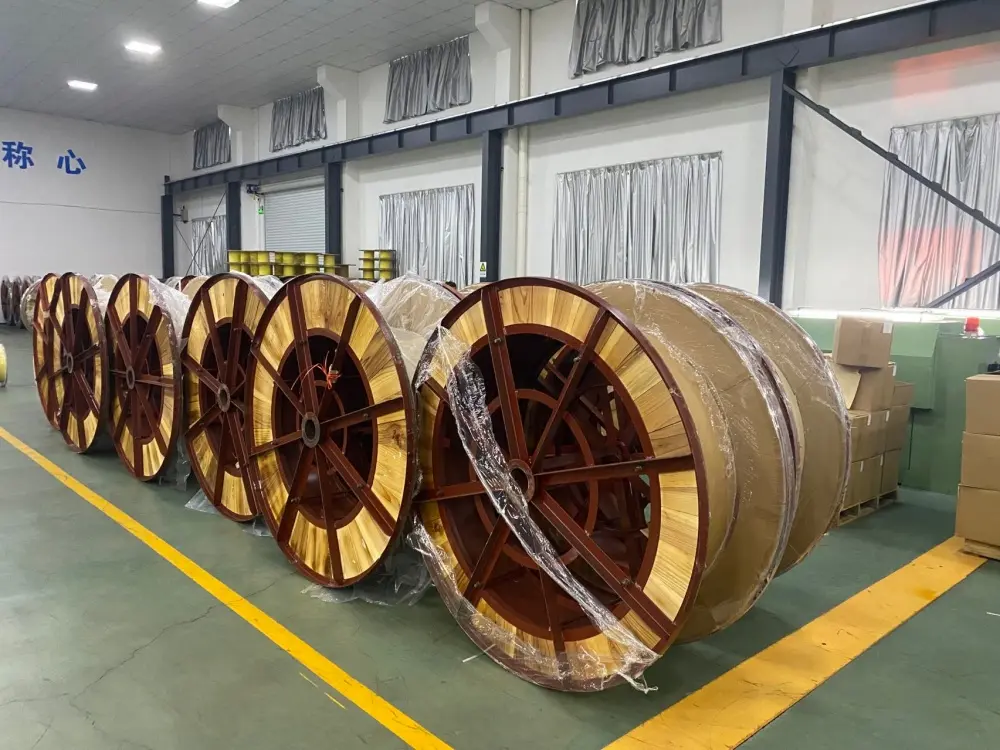
Custom wire configurations available, including bespoke insulation options, customized dimensions, and variable spool capacities.
With a 30-line automated layout, we ensure consistent production capacity and reliable shipping timetables globally.
Our raw material procurement and chemical processes adhere strictly to RoHS and REACH global environmental regulations.
Meeting the strict operational requirements of critical industrial and power distribution equipment.
Explore our specialized range of high-capacity transposition systems and specialized insulated winding solutions.
Stay informed with the latest research updates, product announcements, and market trends.
Expert answers to frequently asked technical and logistical questions regarding enameled winding wires.
These classes denote the maximum continuous operating temperature (in Celsius) that the wire insulation can withstand for a standard service life (typically 20,000 hours). Class 180 utilizes Polyesterimide (PEI), Class 200 adds a Polyamide-imide (PAI) topcoat for improved scratch and thermal resistance, and Class 220 uses pure PAI or Polyimide (PI) to handle extreme thermal loads in high-demand environments.
Flat wires allow for tighter packing in motor slots, increasing the slot fill factor to over 75% compared to round wire (around 45-50%). This improvement increases electrical efficiency, reduces heat generation, and enables smaller, lighter motor designs.
CCA is lighter and more cost-effective than pure copper. It performs well at high frequencies due to the skin effect, where current flows mainly near the outer copper layer. However, for applications requiring maximum conductivity in compact spaces, pure copper remains the standard.
CTC uses multiple transposed flat wires to reduce eddy current losses caused by magnetic fields in transformers. It also provides high mechanical strength, helping windings withstand short-circuit stresses in power grids.
Our manufacturing processes adhere to international standards including IEC 60317, NEMA MW 1000, and GB/T 4074. We conduct tests for breakdown voltage, flexibility, springback, and thermal shock to ensure reliable performance.
Yes. We customize wire profiles (round, flat), conductor materials (copper, aluminum, CCA), insulation coatings (polyurethane, polyesterimide, polyamide-imide), and spool sizes to fit your specific manufacturing requirements.