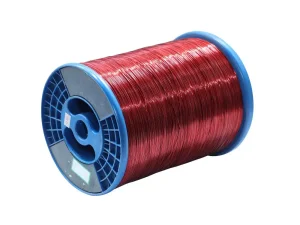
Explore our top-tier enameled aluminum and copper configurations optimized for global distribution.
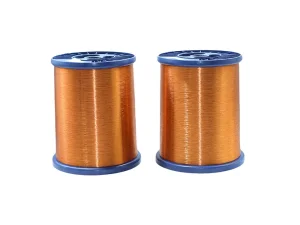
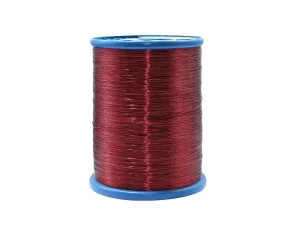
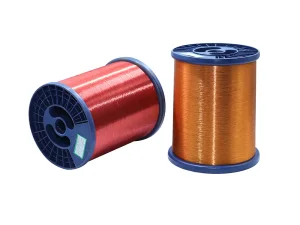
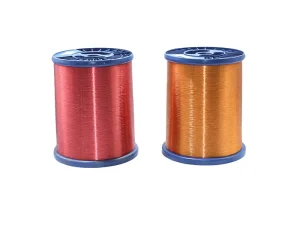
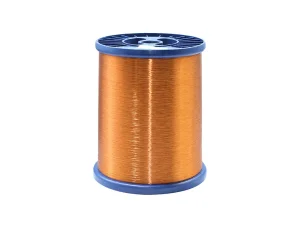
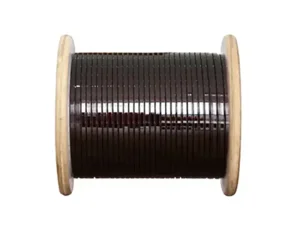
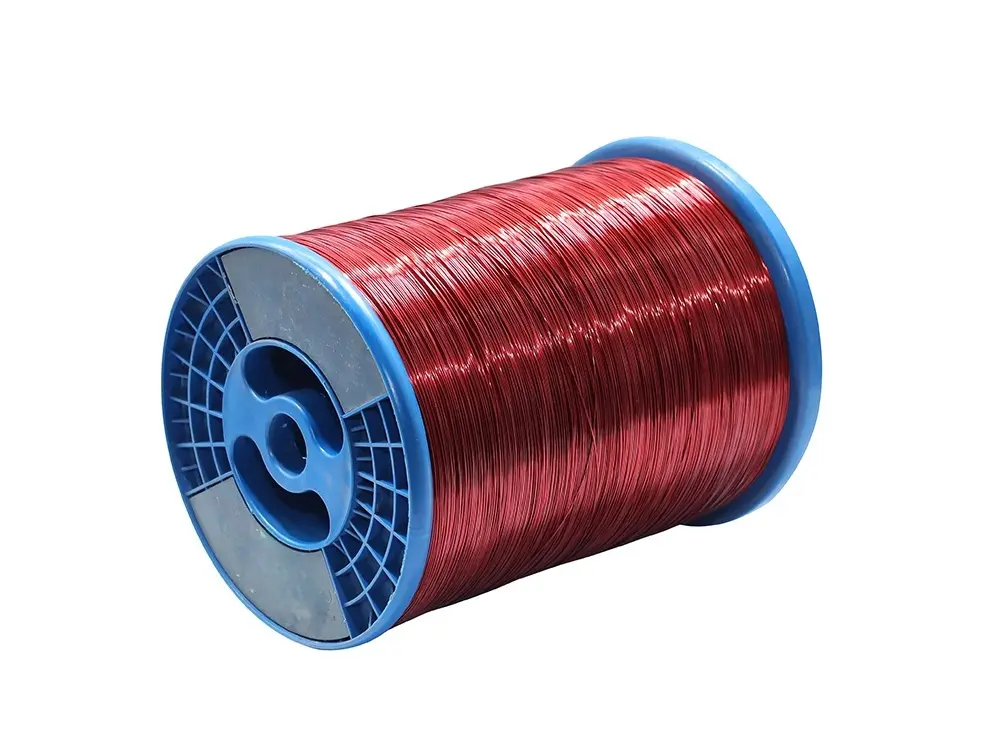
In high-performance electromagnetic winding systems, wire material choices dictate efficiency, safety margins, and structural weight. The 2PEW/180 Class Enameled Aluminum Wire from Changzhou Capa Exporter & Service represents the pinnacle of modern metallurgic and chemical coating engineering. The term "2PEW" specifies a double-layered high-density polyester-imide base coat covered by a protective polyamide-imide (PAI) overcoat. Combined, this delivers an exceptional thermal index rating of 180°C (Class H).
Winding processes for heavy-duty industrial electric motors, automotive cooling fans, and high-voltage transmission units place heavy friction and mechanical stress on wire coatings. Utilizing a PAI overcoat guarantees superior scratch resistance, while the underlying polyester-imide ensures deep dielectric strength. As raw copper prices remain volatile, our engineered enameled aluminum wire emerges as the definitive solution for cost-reduction strategies without compromising operational lifetimes.
Why global procurement departments choose Capa's 2PEW/180 Enameled Aluminum Wire over conventional options.
Every roll of enameled aluminum wire undergoes precise vertical vertical-oven curing. This results in a highly uniform, dense paint layer with exceptional scratch resistance, flexibility, and resistance to winding tension breakage.
Designed with Class H performance dynamics. The 180°C threshold provides outstanding overload safety margins, ensuring continuous operation under severe cyclic heat conditions without risk of insulation melt or short circuits.
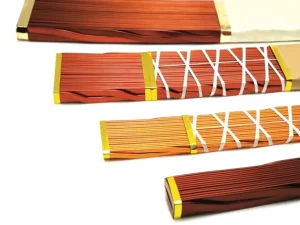
From micro-fine wires to heavy-gauge rectangular profiles. Our production processes allow custom wire cross-sections to match transformer slot fill ratios, maximizing power output within defined structural footprints.

Our partnering manufacturing entity, Suzhou Daiming Electrical Materials Co., Ltd., operates a premier state-of-the-art facility focused on the formulation, drawing, and enamealing of industrial-grade conductors. Spanning a vast 258,333.33 ft² footprint, our high-volume production lines are run by seasoned engineers with over a decade of industry expertise.
Through our Changzhou Capa Exporter and Technical Service network, we bridge the gap between advanced manufacturing and international logistical requirements. We ensure that every batch of 2PEW/180 enameled wire, regardless of the destination country, arrives in perfect physical and electrical condition, complete with trace inspection certificates.
Decarbonization, weight-reduction and the structural transformation of electric machine designs.
In response to rising global copper prices and the transition to lighter electric vehicles (EVs), the demand for enameled aluminum has surged. Historically, copper has been preferred due to its electrical conductivity. However, modern high-power density induction motors and variable frequency drive motors are utilizing advanced aluminum configurations to counter rotational inertia and reduce overall vehicle weight.
By leveraging high-grade EC-aluminum with a conductivity profile exceeding 61% IACS, engineers can scale stator core cross-sections to match copper equivalent conductance. This shift yields massive savings in material costs and minimizes weight in moving machine components, which directly translates to lowered energy consumption during starts and stops.
As the automotive sector transitions from 400V to 800V architectures to facilitate ultra-fast charging, winding insulation must withstand intense electrical stress. 2PEW/180 enameled wires with specialized overcoats mitigate partial discharge and corona effects. This high thermal capability handles peak spike voltages generated by Silicon Carbide (SiC) inverters, preventing insulation degradation over decades of service.
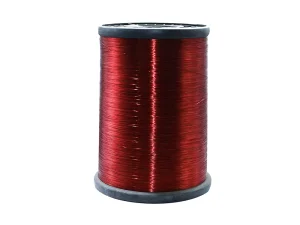
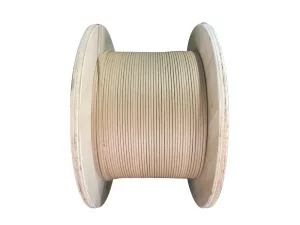
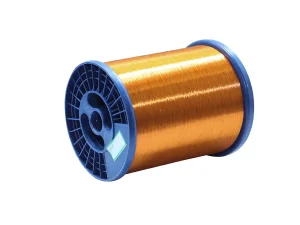
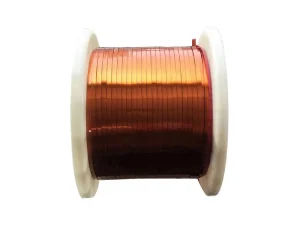
To support varying operational profiles, we offer four primary product families designed to meet high-performance requirements:
The benchmark for weight-reduction in transformer and vehicle motor applications.
Designed for maximum slot fill factors and ultra-compact electromagnetic designs.
Combining the electrical performance of copper with the weight advantages of aluminum.
Custom CTC and mesh-wrapped layouts designed for utility-scale electrical grid upgrades.
A direct comparison highlighting the performance trade-offs and advantages between copper and aluminum configurations.
| Characteristic Property | 2PEW/180 Enameled Aluminum Wire | Class 180 Enameled Copper Wire | Engineering Benefit |
|---|---|---|---|
| Density (g/cm³) | 2.70 | 8.89 | Reduces motor weight by 60% compared to equivalent copper volume. |
| Conductivity (% IACS) | ≥ 61.0% | ≥ 100% | Requires slightly larger stator slots, offset by significant weight reduction. |
| Thermal Index (°C) | 180°C (Class H) | 180°C (Class H) | Guarantees performance stability under sustained thermal loads. |
| Tensile Strength (MPa) | 80 - 120 | 200 - 260 | Requires precise, controlled tension winding systems to protect insulation. |
| Raw Cost Stability | High Stability | Highly Volatile | Provides predictable pricing for long-term manufacturing contracts. |
Where 2PEW/180 Enameled Aluminum Wire excels in commercial applications.
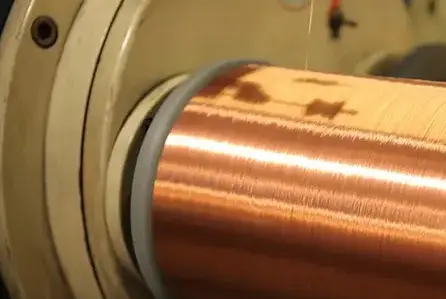
Ideal for high-frequency distribution transformers, industrial power generators, and automotive starters where reduction in weight is a key metric.
Explore Solutions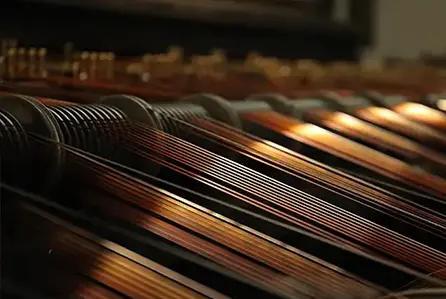
Commonly used in microwave oven power units, washing machine motors, air conditioning compressors, and high-efficiency vacuum suction blowers.
Explore Solutions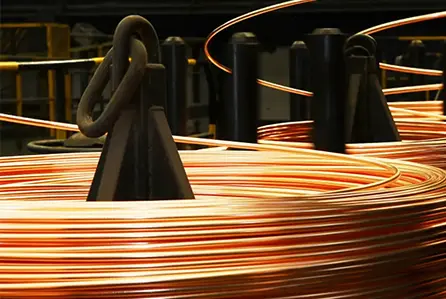
Perfect for control systems, heavy-duty linear solenoids, inductive proximity sensors, and magnetic braking coils in factory setups.
Explore Solutions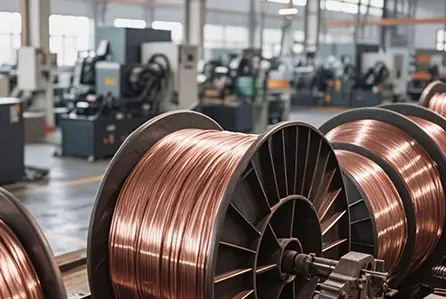
Utilized in dry-type grid distribution systems, reactors, and renewable energy conversion systems (wind and solar invertors).
Explore SolutionsTechnical support answers directly from our quality assurance lab and metallurgy team.
The "2" designates a double-layer insulated build (providing higher dielectric protection). "PEW" stands for Polyester-imide, the primary enamel layer, which is coated with a tough Polyamide-imide (PAI) overcoat. The "180" indicates a thermal performance rating of 180°C (Class H), meaning the wire can operate continuously at this temperature without insulation breakdown.
Aluminum wire is highly cost-stable, avoiding the sharp pricing fluctuations common to copper. Because aluminum has approximately one-third the density of copper, manufacturers require significantly less material by weight to produce equivalent winding geometries. This results in substantial direct material cost savings.
To address aluminum's natural oxidation layer, we recommend using mechanical crimp terminals (such as piercing-type connectors), ultrasonic welding, or specialized aluminum-soldering fluxes. Proper termination prevents galvanic corrosion and ensures long-term electrical contact reliability.
Yes. Through our manufacturing facility in Suzhou, we produce both round and flat (rectangular) profiles. Flat wires provide a higher slot fill factor (up to 85%), which improves magnetic efficiency and reduces the physical size of motors and transformers.
Because aluminum has a lower tensile strength than copper, winding machines must be set with precise tension control. Our 2PEW wire is manufactured with high flexibility and a slick PAI overcoat, reducing friction and preventing cracking during automated high-speed winding.
Stay updated with the latest technological developments and industry regulatory news.
Exploring the latest advancements in new energy motors and cost control techniques for high-performance projects in 2026.
Learn More →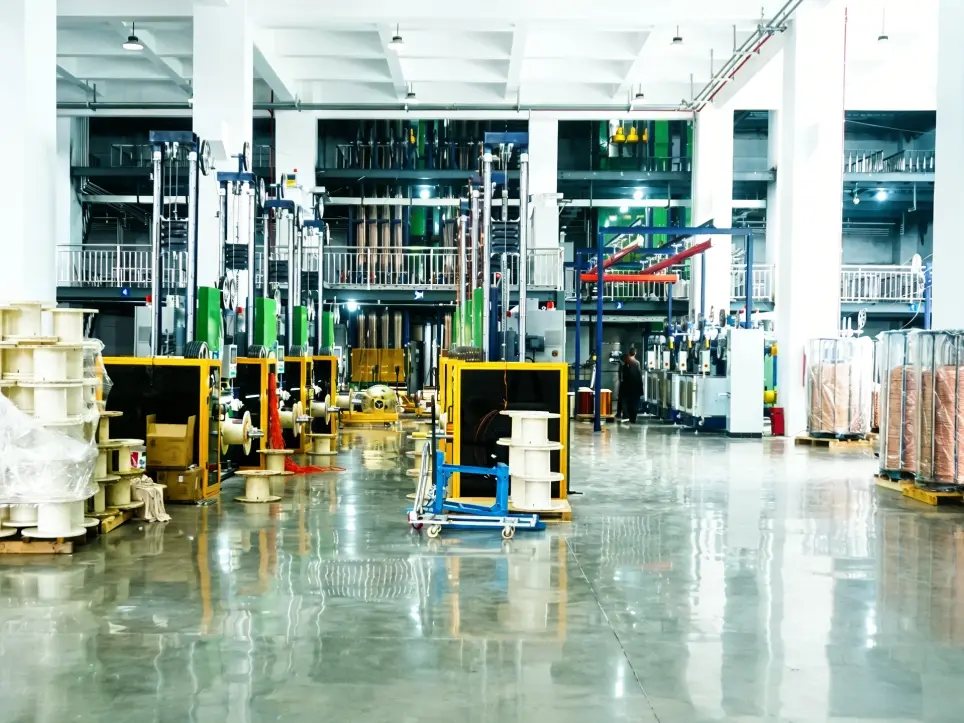
How industrial companies are adopting Copper-Clad Aluminum (CCA) as a reliable cost-reduction strategy without redesigning their core components.
Learn More →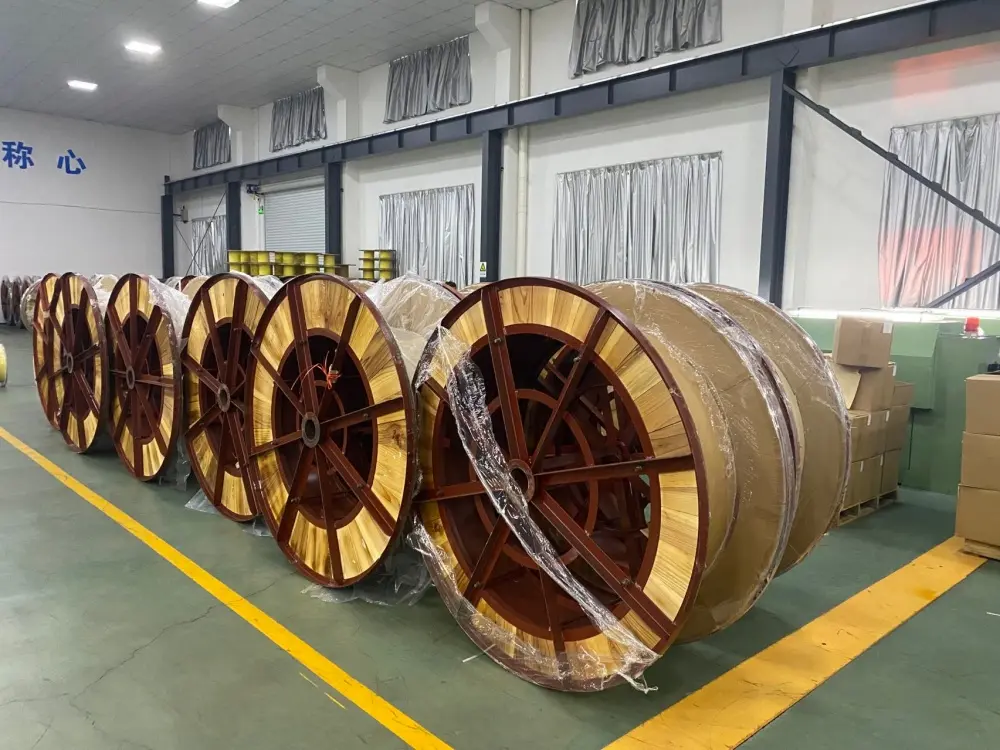
A shipment update on high-quality CTC conductors supporting electrical infrastructure and grid upgrades in Europe and Asia.
Learn More →From paper-covered flat profiles to specialized high-voltage transposed options, we supply it all.