Explore our premium grade enameled winding and transposed wire systems designed to optimize energy efficiency and thermal durability in heavy electrical applications.
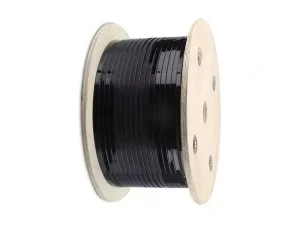
B2B Whitepaper: Deep-dive analysis of high-voltage winding insulations, metallurgical grades, and operational efficiencies.
In modern industrial manufacturing, enameled binding wire—also known as magnet wire or winding wire—is critical for converting electrical energy into mechanical force or modifying voltages within transformers. Precision manufacturing is key to this process. Even slight variations in enamel thickness, alloy composition, or structural concentricity can lead to insulation breakdown, premature copper oxidation, or high harmonic losses under extreme load conditions.
As a leading developer of custom electrical conduits, Suzhou Daiming Electrical Materials Co., Ltd. produces high-performance winding wires that meet international technical standards. By upgrading insulation materials, optimizing chemical bonding, and using automated production methods, we ensure our wires operate reliably at high thermal classes (Class H 180°C up to Class C 240°C), while maintaining excellent flexibility and resistance to chemical solvents.
| Insulation Chemistry | Thermal Index (°C) | Breakdown Voltage (kV) | Primary Advantages | Key Applications |
|---|---|---|---|---|
| Polyester (PEW) | 130 / 155 | ≥ 3.0 kV | Highly cost-effective, easily solderable | Small relays, standard electric motors, domestic appliances |
| Polyesterimide (EIW) | 180 | ≥ 4.5 kV | Superior heat resistance and chemical stability | Industrial automation motors, microwave transformers |
| Polyamide-imide (AIW) Overcoat | 200 / 220 | ≥ 6.0 kV | High resistance to mechanical scratch and thermal overload | Heavy-duty automotive starters, hermetic compressors |
| Polyimide (PIW) | 240 | ≥ 7.5 kV | Extreme radiation resistance and cryo-thermal stability | Aerospace propulsion, high-voltage traction motors |
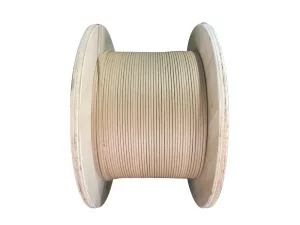
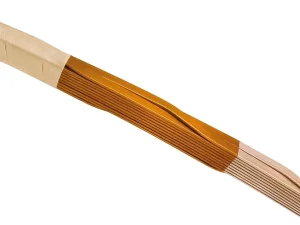
| CTC (Transposed Conductor) | 120 - 180 (Paper/Film) | System Dependent | Minimized skin and proximity losses in high-frequency designs | Extra-high-voltage power grid transformers |
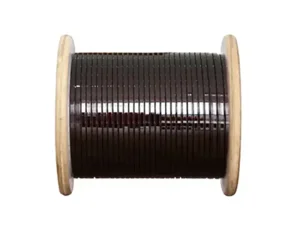
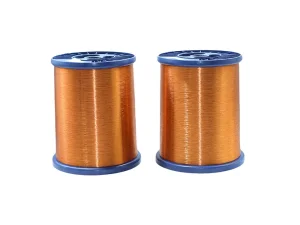
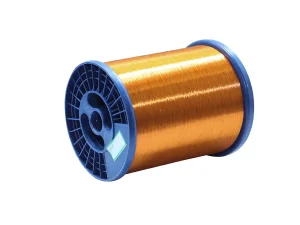
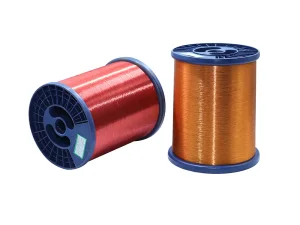
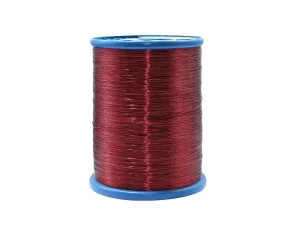
A comprehensive breakdown of our four primary enameled conductor formats, detailing physical compositions and applications.
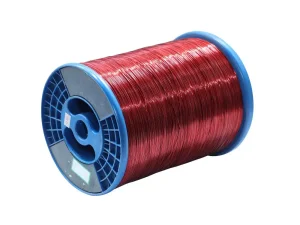
Made from high-grade refined aluminum rods, our enameled aluminum wire is lightweight and cost-effective compared to copper. Available in thermal ratings from Class 130 to Class 220, it is suitable for weight-sensitive applications like automotive components, consumer electronics, and high-frequency microwave ovens.
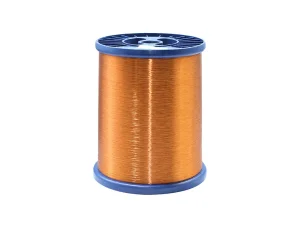
Featuring oxygen-free copper cores with high electrical conductivity, this wire maintains uniform enamel concentricity (exceeding 95%). This high uniformity prevents micro-fissures and pinhole defects, making it ideal for precision winding in electric vehicle propulsion motors and high-voltage power generation units.
Our CCA wires combine the high conductivity of copper with the light weight of aluminum. This hybrid configuration reduces skin effect losses at high frequencies, making it a reliable solution for high-frequency signal inductors and lightweight voice coils.
Combining automated material processing with strict testing protocols to deliver high-quality, reliable enameled wire products.
At Suzhou Daiming, our production processes are designed for precision. Across our 30 state-of-the-art production lines, we use computer-controlled drawing and baking systems to apply the thin enamel coating layer-by-layer. This technique ensures consistent insulating film thickness across both round and flat wire profiles.
Maintaining raw material supply is critical. Our partnerships with top-tier metal smelting refiners ensure a stable supply of oxygen-free copper (with conductivity ≥ 100% IACS) and high-purity EC aluminum. Our advanced production floor operates continuously, securing supply lines for global contracts against material fluctuations and international logistics delays.
Precision dies draw rods down to target diameters while inline laser sensors check dimensions. This automated process minimizes variations and ensures uniform thickness across production runs.
Controlled thermal processing relieves mechanical stress within the drawn metal structure. This ensures high elongation percentages, making the wire easier to wind without work-hardening.
Enamel is applied in multiple thin layers, with each layer cured in computer-monitored ovens. This process creates a dense, defect-free insulation layer with high dielectric strength.
How our advanced enamel compositions resist corona discharge and electrical wear in modern high-voltage environments.
The global shift toward 800V electric vehicle architectures introduces technical challenges, particularly high-frequency voltage spikes caused by Silicon Carbide (SiC) inverters. These spikes create electrical stress that can lead to partial discharge and corona damage, causing standard winding insulations to fail prematurely.
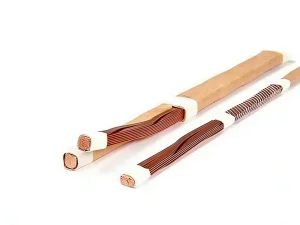
To address this, Suzhou Daiming is developing corona-resistant enameled wires containing inorganic nanoparticles dispersed within the polymer matrix. These additives help dissipate electrical stress and resist thermal wear, protecting the wire in high-frequency, high-voltage applications. Additionally, our flat-wire (hairpin) profiles increase slot fill factor in EV stators, reducing heat generation and supporting more compact motor designs.
Our products are engineered to meet the demanding requirements of various energy and manufacturing sectors.
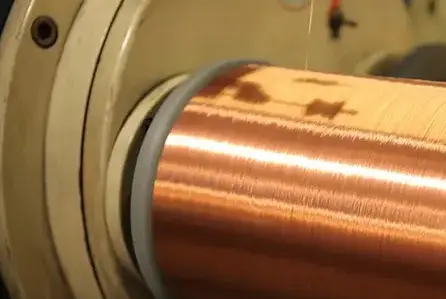
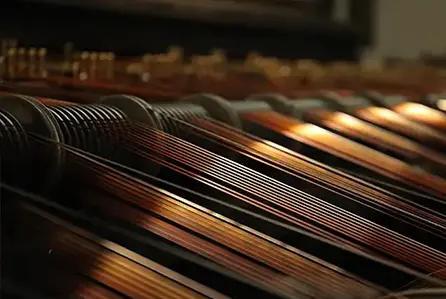
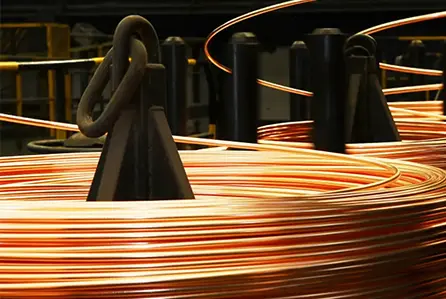
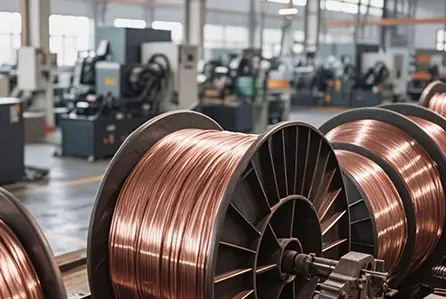
Ensuring timely delivery and consistent product quality through structured quality control and standard packaging protocols.
Every batch of wire undergoes inline testing, including continuous high-voltage spark detection, spring-back resistance checks, solvent resistance verification, and breakdown voltage measurements to ensure performance consistency.
We pack wires on standard spools (PT-4, PT-10, PT-25, and larger bobbins) wrapped in vapor-barrier materials and wooden crates. This protection prevents oxidation and wire damage during long-distance maritime shipping.
Our raw materials and final products are fully compliant with RoHS and REACH environmental standards. Our factories operate under ISO 9001 and IATF 16949 quality management systems, ensuring traceability for automotive projects.
Stay informed with updates on shipments, manufacturing trends, and alternative material developments.
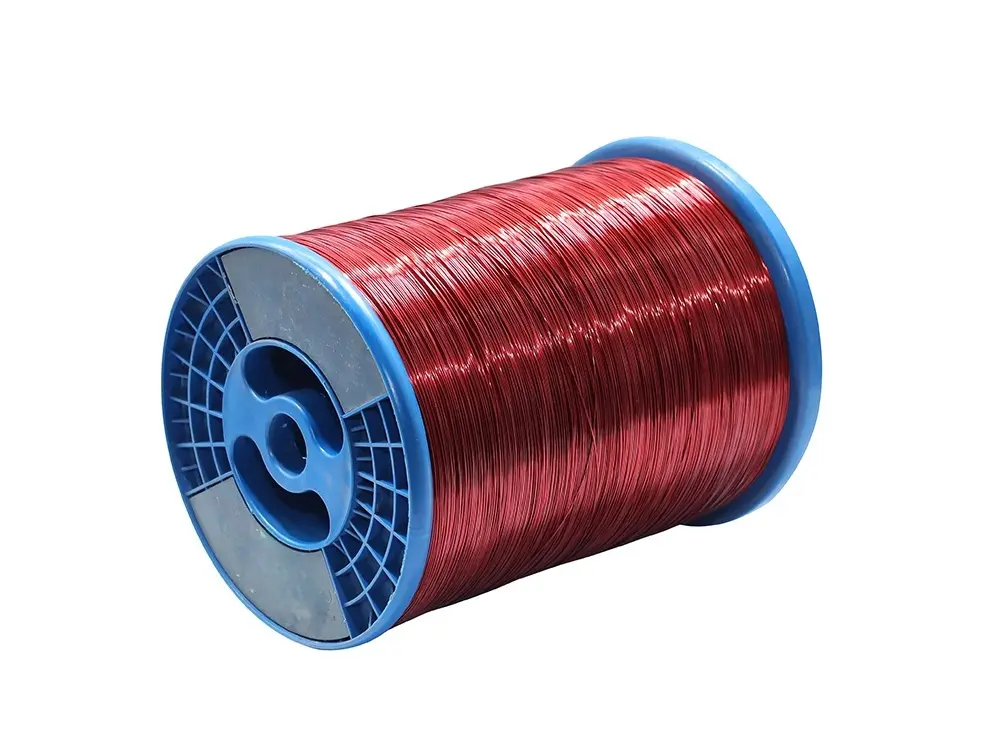
Analyzing the performance-to-weight benefits of enameled aluminum wire in automotive components and domestic appliances, helping manufacturers reduce materials costs.
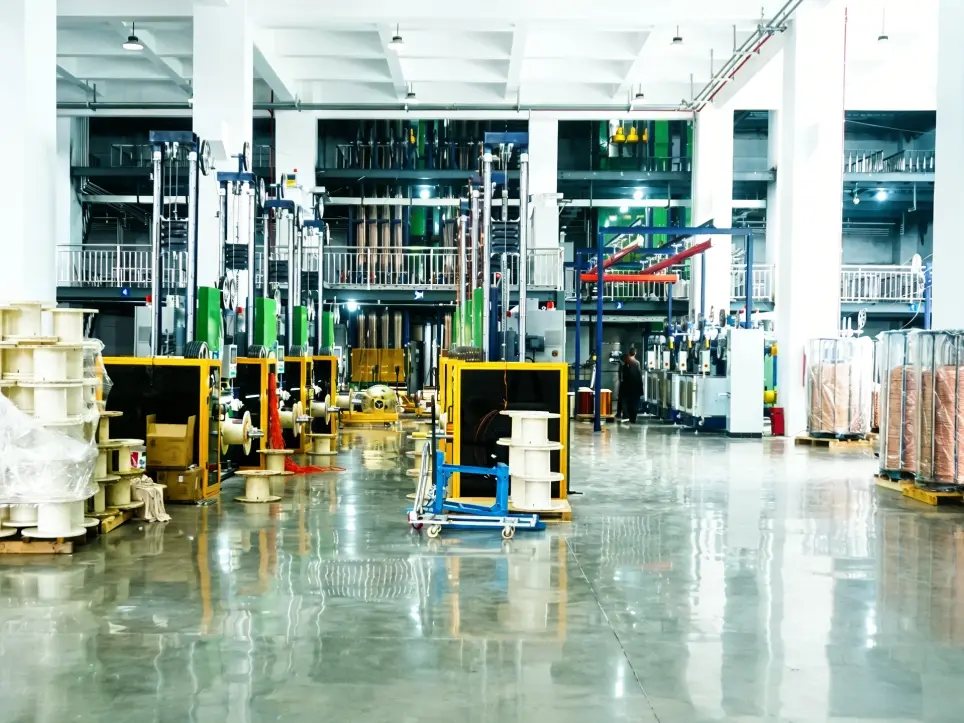
Reviewing how copper-clad aluminum enameled wire serves as a cost-effective alternative for winding applications during copper price fluctuations.
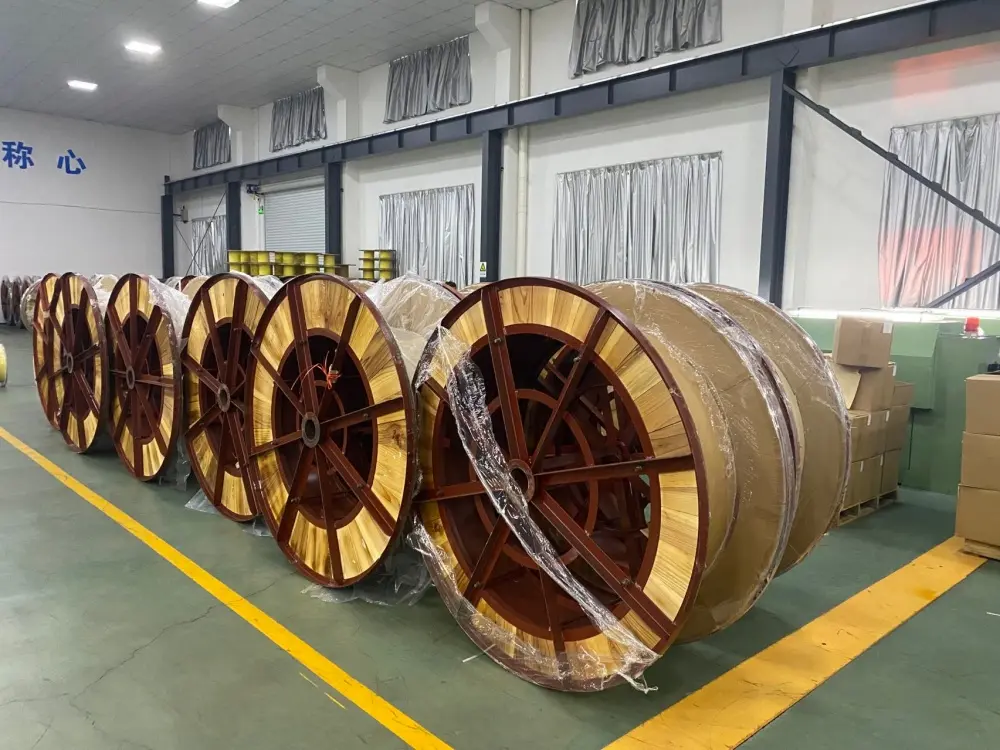
Our team completed the delivery of high-capacity continuously transposed conductors (CTC) to Turkey, supporting modernization projects for the regional power grid.
Expert technical answers to common queries regarding enameled binding wires, insulation materials, and industrial applications.
Enameled copper wire offers higher electrical conductivity and mechanical strength, making it suitable for high-efficiency motors. Enameled aluminum wire is lighter and more cost-effective, which helps reduce weight in applications like automotive systems and consumer electronics.
Thermal class ratings (such as Class 180, 200, or 220) indicate the maximum continuous operating temperature the insulation can withstand without degrading. Choosing the correct thermal rating ensures insulation reliability in high-temperature environments.
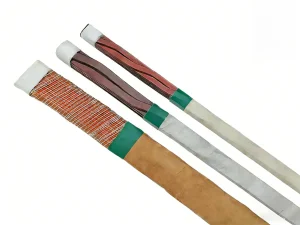
CTC consists of multiple individual enameled rectangular wires grouped and transposed to reduce skin and proximity effect losses. They are commonly used in large power transformers to improve efficiency and reduce heat generation.
CCA can replace pure copper in specific applications, particularly at high frequencies where current flows mostly on the outer layer (skin effect). This makes CCA useful for lightweight and cost-effective high-frequency coils, though it has lower conductivity at DC or low frequencies.
Browse our selection of specialized conductors, including continuous transposed systems and temperature-resistant enameled wires.