Explore our diverse portfolio of high-temperature insulated magnet wires engineered for extreme dielectric reliability and optimal fill factors.
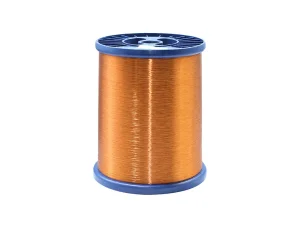
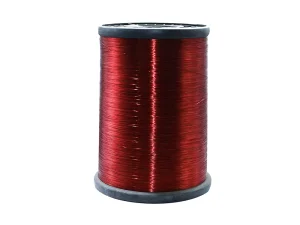
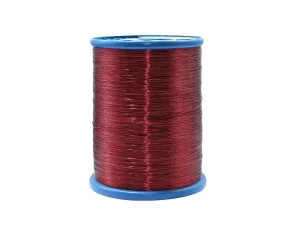
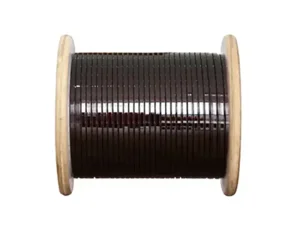
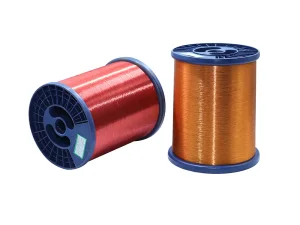
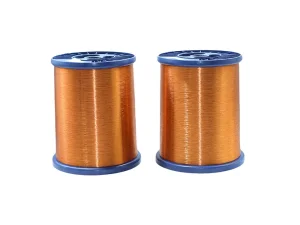
Enameled coated wire serves as the fundamental heart of electromagnetic energy conversion. The raw material must satisfy not only electrical performance expectations but also mechanical toughness, heat resilience, and chemical stability under extreme environments. Modern industrial architectures require insulation classes that range from Class 130 to Class 220, employing materials such as Polyurethane, Polyesterimide (EIW), and Polyimide-imide (AIW).
As motors shrink in size yet scale up in output density, the physical properties of the enamel paint film must undergo significant optimization. For instance, corona-resistant coatings are now standard in variable-frequency motors to prevent partial discharge failures triggered by transient voltage spikes.
System designers face critical engineering trade-offs when selecting core wire materials. In high-frequency operations, factors like skin effect and overall motor weight play dominant roles, forcing a comparison across copper, aluminum, and copper-clad aluminum:
| Physical Parameter | Enameled Copper Wire | Enameled Aluminum Wire | Enameled CCA Wire |
|---|---|---|---|
| Electrical Conductivity (% IACS) | 100% | 61% - 63% | 65% - 85% (Depending on core ratio) |
| Density (g/cm³) | 8.89 | 2.70 | 3.32 - 3.63 |
| Tensile Strength (MPa) | 200 - 250 | 80 - 120 | 110 - 150 |
| Thermal Class Capability | Up to 220°C | Up to 220°C | Up to 180°C - 200°C |
| Winding Space Factor / Fill Factor | Highest (Compact slots) | Moderate | High (Optimal for weight reduction) |
Fluctuations in London Metal Exchange (LME) copper prices drive high volatility in manufacturing overheads. As a result, procurement divisions are increasingly evaluating Copper Clad Aluminum (CCA) and high-performance Enameled Aluminum Wires.
While copper remains irreplaceable for space-constrained windings due to its superior fill factor and conductivity, aluminum offers substantial cost-reduction opportunities in home appliances, control transformers, and select automotive components where enclosure size is not the limiting constraint.
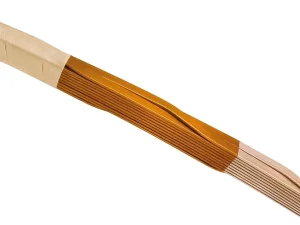
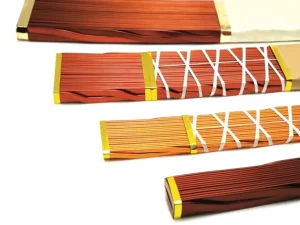
At the heavy-duty utility end of electrification, Continuously Transposed Conductors (CTC) represent the pinnacle of structural efficiency for ultra-high voltage (UHV) power transformers.
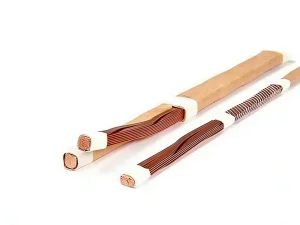
By transposing individual enameled flat wires continuously within a bundle, eddy current losses caused by stray magnetic fields are drastically reduced. We fabricate Mesh-wrapped, Semi-rigid, and Self-adhesive CTC varieties to ensure optimal mechanical strength during sudden grid short-circuit currents.
Suzhou Daiming Electrical Materials Co., Ltd., is a leading manufacturer of high-quality enameled wires: enameled aluminum wires, enameled copper wires, and enameled copper-clad aluminum wires. Situated on a sprawling 258,333.33 ft² site, our advanced production facility houses 30 state-of-the-art production lines. This robust infrastructure enables us to maintain a stable and high-volume output, ensuring consistent supply to meet global market demands. With strict quality control at every stage, from raw material inspection to final product testing, we uphold the highest industry standards, guaranteeing the durability and performance of our enameled wires.
Our specialized engineering team averages over ten years of industry experience and is proficient in the product characteristics, international standards, and process flow of enameled wire. We work closely with client engineering divisions to specify thermal classes, paint film chemical composition, and precise wire shapes, ensuring optimal compatibility with automated high-speed winding machinery.

Why global OEMs choose Suzhou Daiming magnet wires for critical system assemblies.
Each roll of enameled wire has undergone rigorous process and quality inspection to ensure stable dialectric strength.
The enameled wire we produce has a uniform and dense paint film, strong adhesion, scratch resistance, and good flexibility.
Not only products, but also professional support. Custom dimensions and tailored performance profile modifications.
With strong production capacity and a complete supply chain system, we ensure the on-time delivery across ocean cargo channels.
Our enameled wires are used in core areas such as high-efficiency and energy-saving motors driving EV transitions.
Our high-performance magnet wires serve as key building blocks across global industrial, power, and consumer electronics applications.
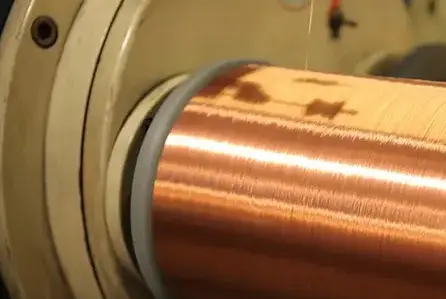
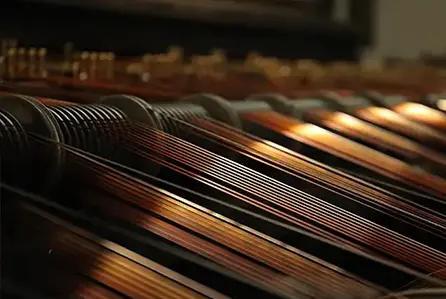
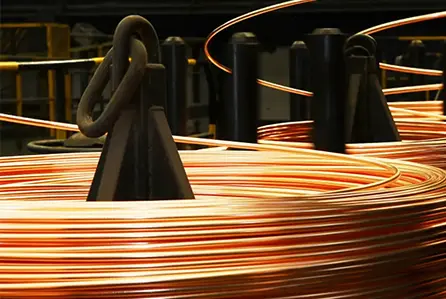
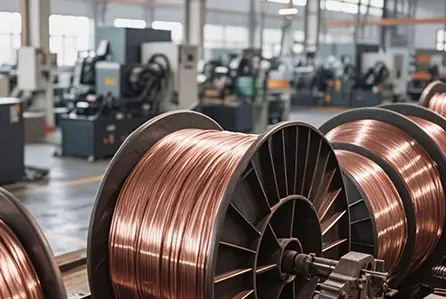
To maintain zero-defect standards for global supply chains, our factory utilizes online lasers to monitor film uniformity, alongside automated testing of dielectric breakdown voltage, tangent delta (for curing quality verification), and pinhole density using advanced salt bath testing.
Specialized tests like thermal shock (up to 250°C) and cut-through resistance guarantee that the magnet wires do not short-circuit under high-frequency heat peaks in compact stator slots.
Our export operations meet key international regulations, including RoHS (Restriction of Hazardous Substances), REACH, and UL certifications for insulation components.
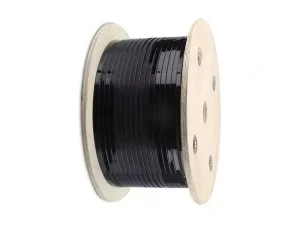
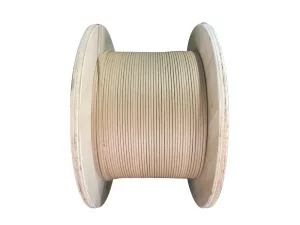
Suzhou Daiming offers custom wooden reel sizes (e.g., PT-25, PT-90, PT-200) to ensure compatibility with automatic pay-off racks used by winding plants globally. This attention to detail reduces line downtime during spool changes.
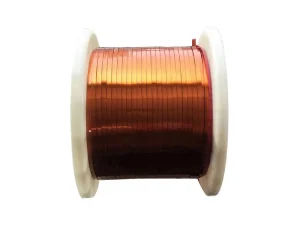
Whether implementing flat/rectangular enameled wire to boost motor slot fill factors beyond 70%, or transposing large-scale transformer windings, our team provides technical consultation from material specification to pilot run validation.
Stay updated with the latest technological shifts, global shipping projects, and cost-reduction engineering solutions.
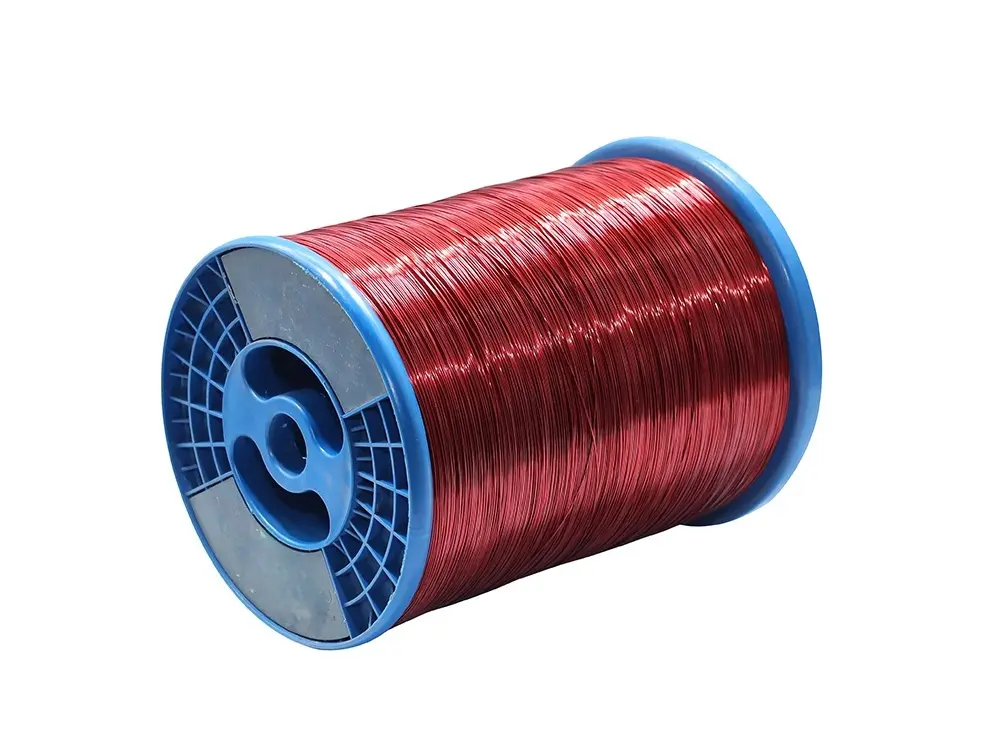
With the rapid development of new energy and high-end manufacturing in 2026, cost control and quality assurance drive the market towards enameled aluminum solutions...
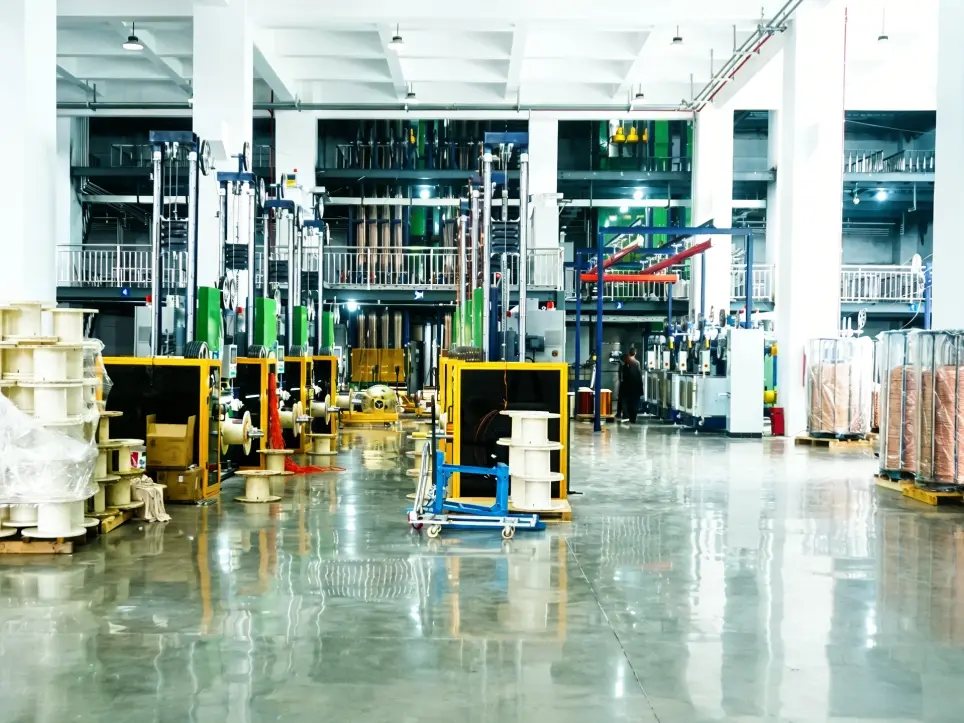
Faced with operational challenges caused by raw material price fluctuations, copper-clad aluminum wire provides an ideal compromise balancing performance and cost...
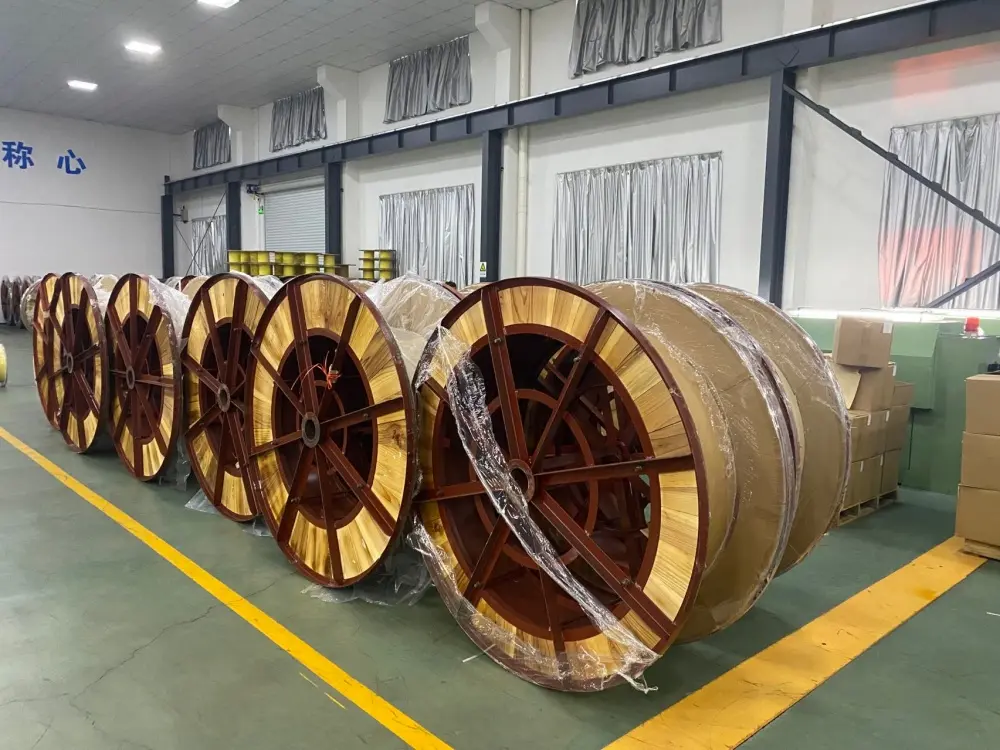
New Overseas Shipment News | High-quality CTC Continuous Transposed Conductors Exported to Turkey, driving power grid infrastructure modernization in the region...
Discover how high-voltage electric vehicle architectures push insulation materials limits, triggering the transition to new corona-resistant polymer designs.
Learn MoreTechnical answers to key inquiries regarding selection, manufacturing standards, and application optimization.
High-voltage Continuously Transposed Conductors (CTC) and specialty enameled wire configurations for critical applications.