Engineered for extreme performance and precision compliance across global industrial applications.
A comparative technical brief on AWG 3 - AWG 30 & SWG 4 - SWG 33 winding standards.
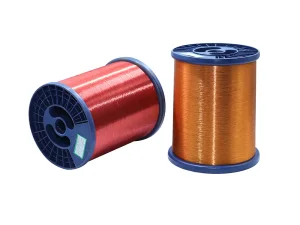
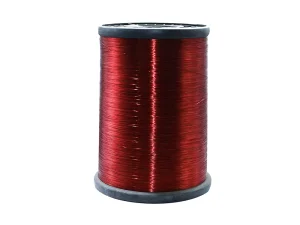
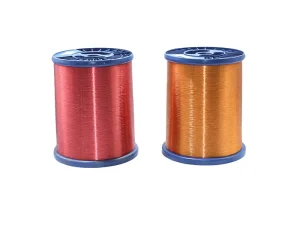
In high-performance electromagnetic assemblies, the selection of conductor dimensional standards—specifically ranging from the heavy-gauge AWG 3 / SWG 4 (delivering massive current carrying capacities) to the micro-fine AWG 30 / SWG 33 (designed for intricate, high-density coils)—directly determines the efficiency and spatial profile of power conversion systems. Historically, copper has been the default material; however, modern metallurgical improvements have propelled enameled aluminum wire into a prominent position. Crucially, aluminum winding wire achieves a 50% weight reduction compared to its copper counterpart, offering substantial economic relief in markets characterized by volatile base metal prices.
This technical whitepaper details the engineering dynamics, insulation polymer selections (such as Polyurethane, Polyesterimide, and Polyamide-imide), and thermal metrics that qualify Daiming Electrical’s products for demanding mechanical applications worldwide.
| Conductor Standard | Diameter Range (mm) | Standard Winding Application | Common Insulation Enamels | Ideal Temperature Index |
|---|---|---|---|---|
| AWG 3 to AWG 10 (SWG 4 - SWG 12) | 5.827 mm – 2.588 mm | Heavy-duty dry transformers, high-power traction motors, oil-immersed distribution coils | Polyesterimide (EIW), Polyamide-imide (AIW), Nomex/Paper Wrapped | 180°C, 200°C, 220°C |
| AWG 11 to AWG 22 (SWG 13 - SWG 23) | 2.305 mm – 0.644 mm | Automotive alternators, industrial automation systems, domestic appliances, electric vehicle drivetrains | Polyesterimide (EIW), Polyurethane (UEW), EI/AIW dual-coat | 155°C, 180°C, 200°C |
| AWG 23 to AWG 30 (SWG 24 - SWG 33) | 0.574 mm – 0.254 mm | Precision sensors, high-frequency signal coils, micro-motors, electronic choke relays | Solderable Polyurethane (UEW), Polyurethane with Nylon overcoat (UEW/Y) | 130°C, 155°C, 180°C |

Unparalleled industry insights and specialized engineering talent driving next-generation power solutions.
The team members have over ten years of industry experience and are proficient in the product characteristics, international standards, and process flow of enameled wire. This technical background ensures that every project receives optimal material selection, from thermal classification to dielectric performance testing.
Why global OEMs trust Daiming's structural and chemical enameled wire configurations.
Each roll of enameled wire has undergone rigorous process and quality inspection to ensure stable, uniform layer adhesion, maintaining insulation integrity under thermal stress.
The enameled wire we produce has a uniform and dense paint film, strong adhesion, scratch resistance, and good flexibility, ensuring resilience during automated winding.
Not only products, but also professional support. From wire diameter specifications and temperature ratings to specific configurations, we match exact client blueprints.
With strong production capacity and a complete supply chain system, we ensure the on-time delivery of wholesale batches, protecting clients from manufacturing delays.
Our enameled wires are used in core areas such as high-efficiency and energy-saving motors, contributing to global efforts in industrial decarbonization.
Strategic localization in Suzhou provides streamlined access to high-purity aluminum rods, reducing processing steps and ensuring competitive cost structures.
Ensuring supply continuity and electrical performance for modern infrastructure.
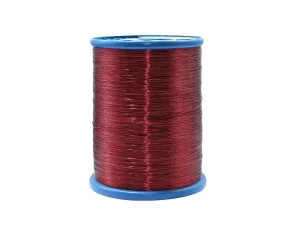
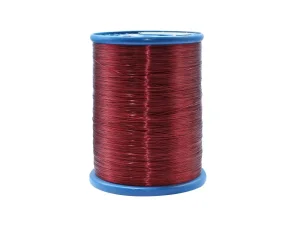
In the highly competitive landscape of transformer manufacturing and motor assembly, procurement managers face volatile raw material costs and strict regulatory compliance requirements. Operating as a vertically integrated supplier of AWG 3 to AWG 30 and SWG 4 to SWG 33 enameled aluminum wire in China allows us to optimize manufacturing steps, passing efficiency gains directly to partners. Our facilities utilize advanced inline extrusion, automated high-speed drawing, and continuous multi-pass die coating to prevent mechanical defects.
Furthermore, our engineering teams assist clients in transitioning from traditional copper windings to optimized aluminum designs. Because aluminum has 61% of the conductivity of copper, converting a winding requires increasing the conductor cross-section by a factor of 1.6 to maintain electrical equivalent resistance. This modification is offset by aluminum’s lower weight, resulting in significant savings for structural assemblies such as generator stators and solar inverters.
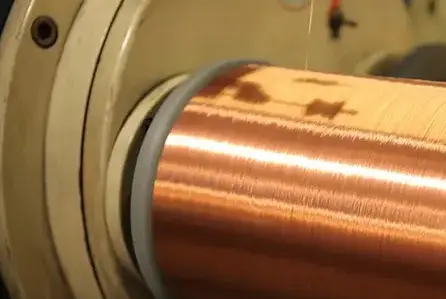
Optimized for lightweight high-voltage distribution systems, lowering core loss values.
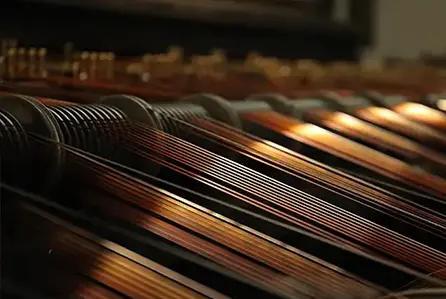
Reliable moisture-resistant micro-windings for washing machine pumps and fan motors.
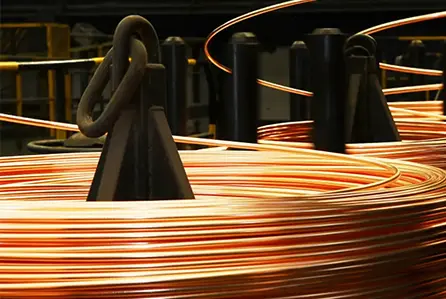
High-flexibility fine enameled wires designed for demanding factory automation duties.
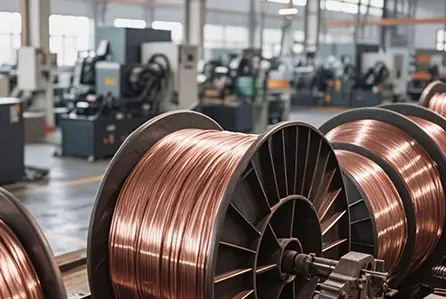
Providing high-dielectric performance in solar grids, wind generation, and high-capacity grids.
Stay updated with research trends, new material standards, and global shipping updates.
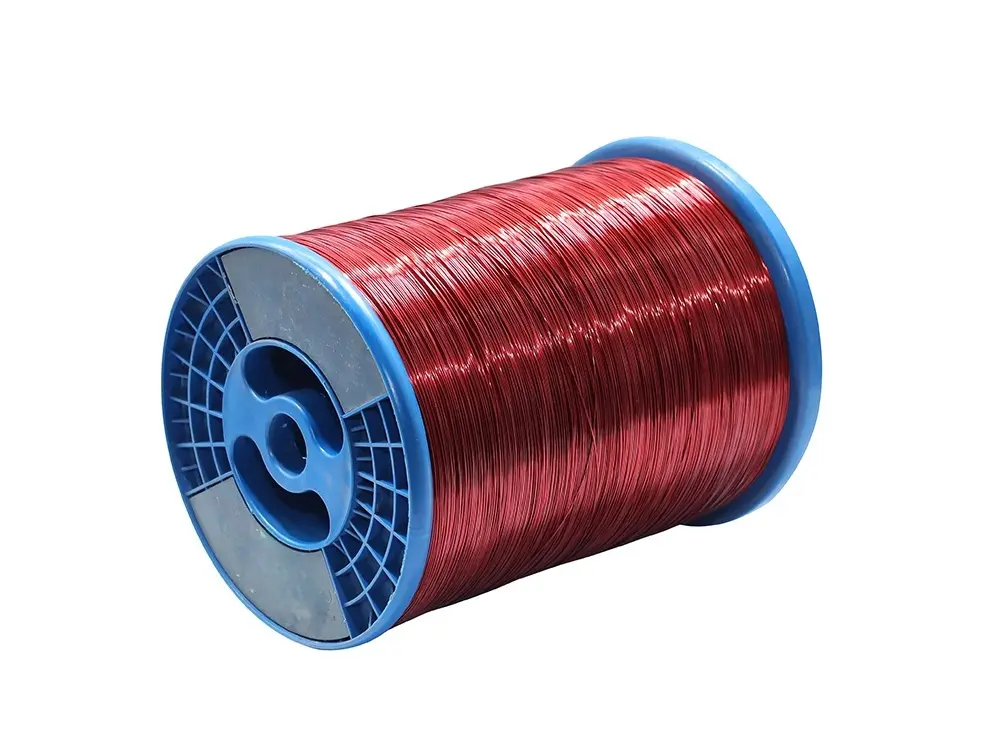
With the rapid development of new energy and high-end manufacturing in 2026, cost control and quality have become key priorities. Enameled aluminum wire offers significant performance benefits at a lower weight, helping global OEMs manage budget pressures without sacrificing motor performance.
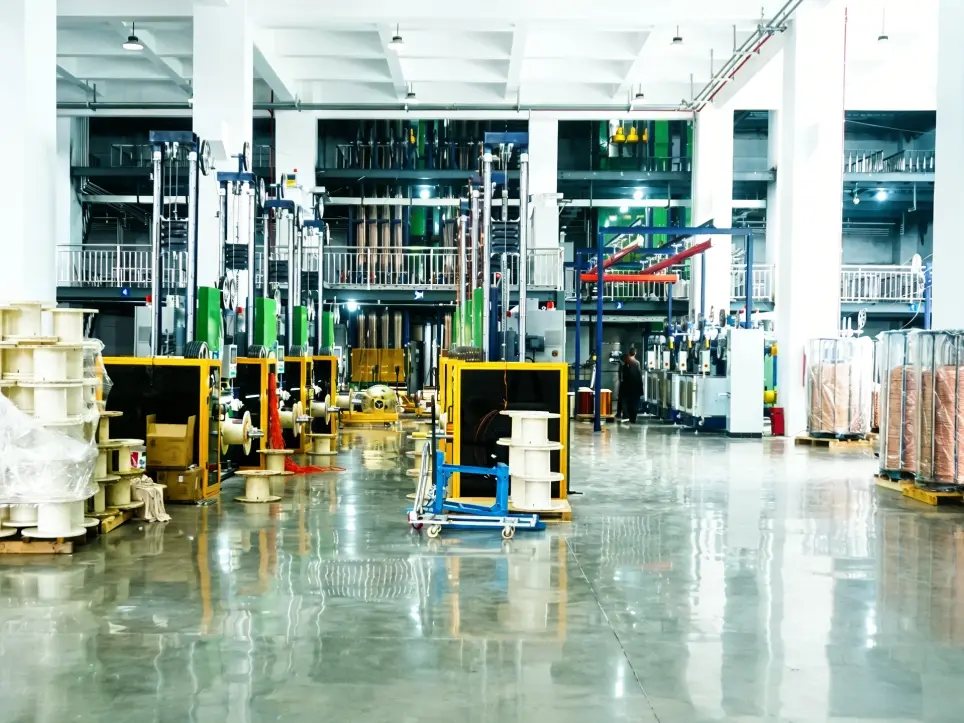
Faced with operational challenges caused by raw material price fluctuations, copper-clad aluminum enameled wire has emerged as a preferred solution for cost reduction. It combines the surface conductivity of copper with the weight advantages of aluminum, optimizing costs for electronics manufacturers.
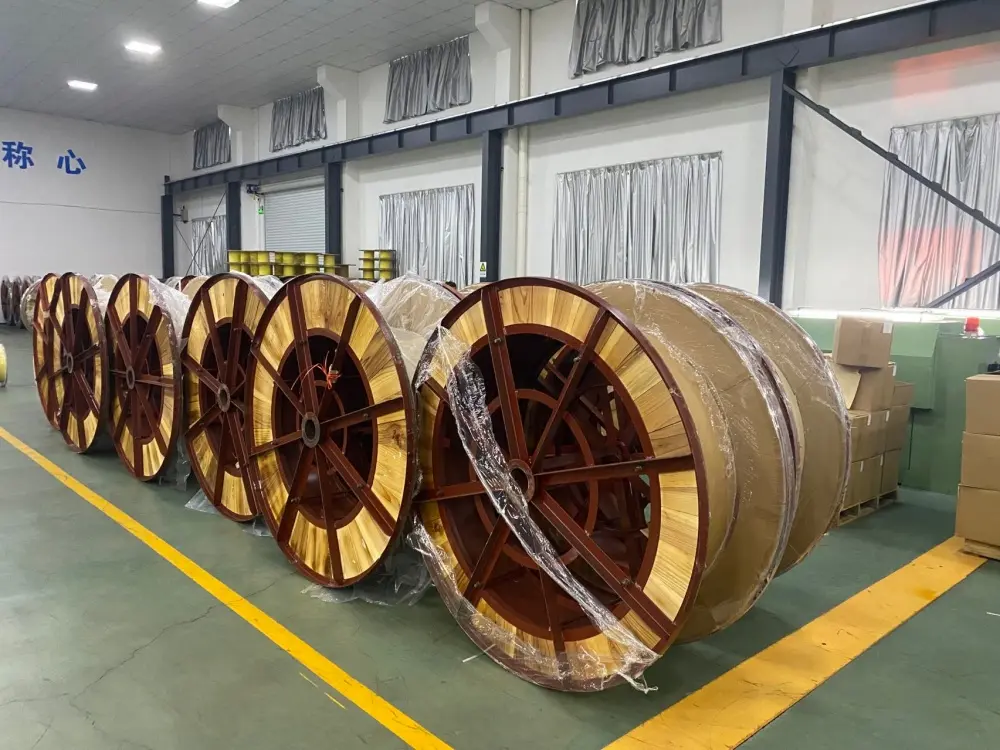
In our latest overseas shipment, high-quality Continuously Transposed Conductors (CTC) were exported to Turkey. These conductors improve transformer efficiency, supporting upgrade initiatives across the Eurasian grid infrastructure.
*Latest Trend Insight: The transition toward 800V high-voltage EV architectures is accelerating demand for high-grade enameled wires with excellent partial discharge resistance.*
Access Full News ArchiveDetailed technical answers to help electrical engineers and procurement managers select the correct specifications.
Because aluminum has a lower conductivity than copper, you must increase the cross-sectional area of the aluminum wire by approximately 1.6 times to maintain equivalent electrical resistance. This change generally requires increasing the conductor size by two AWG steps. It is also important to verify that the slot fill factor of the motor stator can accommodate the larger diameter wire.
We supply wires across all primary thermal classifications, including Class 130 (PEW), Class 155 (UEW), Class 180 (EIW), Class 200 (EIW/AIW), and Class 220 (AIW). These materials maintain their mechanical and electrical properties during continuous operation at their rated temperatures, preventing premature insulation breakdown.
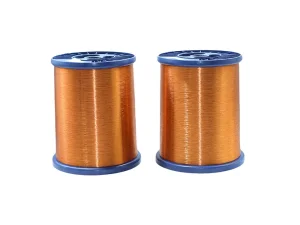
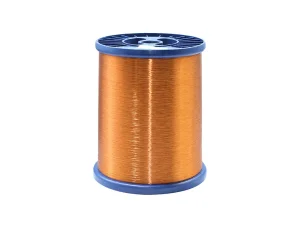
Yes. Our polyurethane-coated (UEW) fine wires are designed for direct solderability. The polymer formulation melts at soldering temperatures (360°C to 400°C), allowing operators to solder terminations without prior chemical or mechanical stripping, which increases production efficiency.
Our manufacturing processes are certified under ISO 9001 and IATF 16949 for automotive applications. All products conform to IEC 60317, NEMA MW 1000, and JIS C 3203 standards. Additionally, they are UL recognized and fully compliant with RoHS and REACH regulations, simplifying export clearance for global buyers.
Select custom profiles engineered for high-voltage, high-frequency, or high-thermal applications.

Designed for traction motors requiring high temperature resistance and excellent slot fill factors.

Ideal for standard domestic appliance windings, offering dependable dielectric insulation.

Multi-purpose insulation system offering optimal thermal and mechanical wear performance.

Solderable configuration developed to reduce processing times during high-volume production assembly.
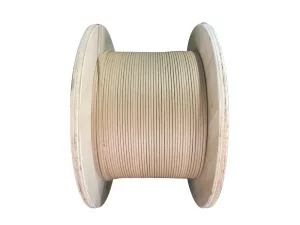
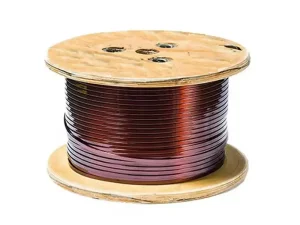
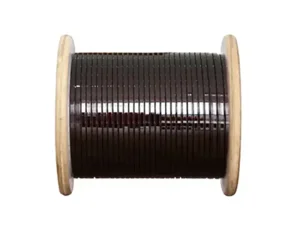
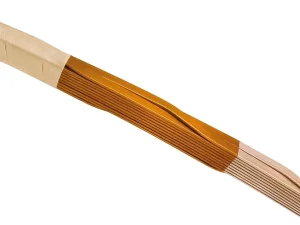
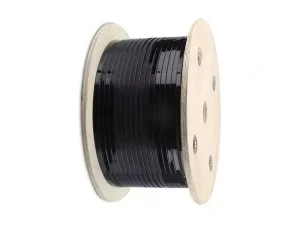
Explore our specialized, high-conductivity flat conductors and paper-covered insulation series.
Detailed physical calculations and chemical considerations for industrial engineers.
Aluminum has a lower tensile strength and yield point than copper. Consequently, winding operations must be carefully controlled to prevent stretching or breaking, particularly when handling fine sizes like AWG 24 to AWG 30. During automated coil winding, we recommend adjusting the tension to approximately 0.5 to 0.8 kg/mm² of the conductor's cross-sectional area. Maintaining this range prevents necking of the conductor and avoids micro-cracks in the insulation enamel, ensuring reliable dielectric performance.
In high-frequency designs, such as switch-mode power supplies (SMPS) or high-speed traction motors, the skin effect limits current flow to the outer layer of the conductor. Selecting the appropriate wire gauge is essential to control eddy current losses. Using multiple parallel strands of fine enameled aluminum wire (e.g., AWG 28 or SWG 30) instead of a single thick conductor helps distribute the high-frequency current, reducing operating temperatures and increasing overall system efficiency.
Although aluminum naturally forms a protective oxide layer, exposure to moisture and corrosive agents can lead to galvanic corrosion, especially at copper-to-aluminum termination points. To address this risk, we recommend using appropriate transition joints, crimping sleeves, or specialized sealing varnishes. These measures protect the connections, ensuring stable performance in humid industrial environments or outdoor installations.