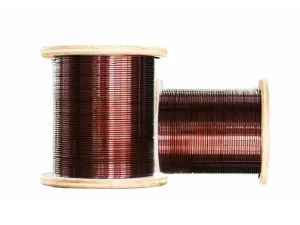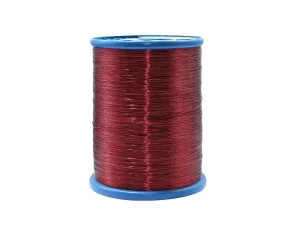
High-precision 0.14mm (AWG 35) magnet wires optimized for high packing factor, custom thermal classes, and superior dielectric stability.
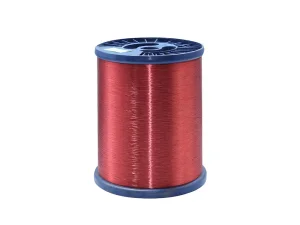
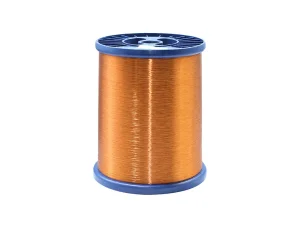
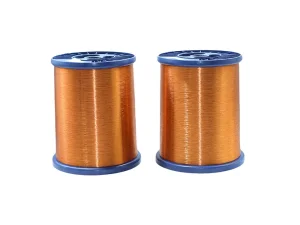
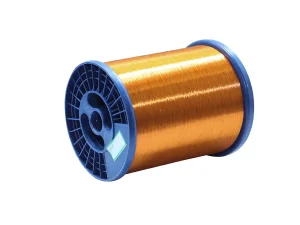
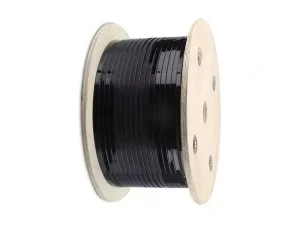
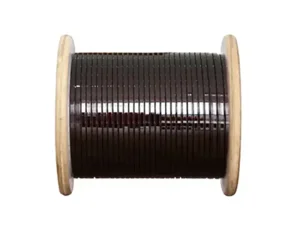
Technical assessment of 0.14mm enamelled copper, aluminum, and composite wire systems in modern electrification and industrial digitalization.
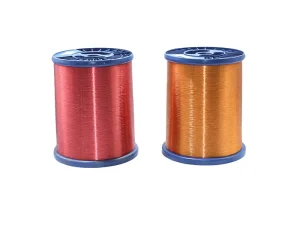
In the current wave of technological transitions, which span high-power density electric powertrains, automated assembly lines, high-frequency telecommunication devices, and compact consumer electronics, the choice of electromagnetic winding media is critical. Standard winding elements are no longer sufficient to meet modern operational demands. Instead, engineers rely on micro-diameter magnet wires. Chief among these is the 0.14mm (AWG 35 equivalent) enamelled wire. This specific gauge offers a balanced compromise between cross-sectional conductor area, electrical resistance, and winding flexibility. It is thick enough to handle standard machine winding tensions without tearing, yet fine enough to allow high slot fill factors in miniaturized slots.
From a global perspective, the supply chain for fine enamelled wire has consolidated around advanced production centers that can combine cost efficiency with extreme process reliability. Modern micro-winding configurations require consistent outer diameter control, zero pinhole defects over long continuous runs, and uniform enamel insulation distribution. As the industry moves towards high-frequency applications, such as high-voltage electric vehicle auxiliary motors operating above 800V, the dielectric stress on these thin insulation coatings increases. This shift has turned the raw materials market away from standard polymers and toward modified high-thermal resins, such as Polyesterimide (EIW) and Polyamide-imide (AIW), often paired with specialized self-bonding topcoats.
| Characteristic / Parameter | Enamelled Copper Wire (0.14mm) | Enamelled Aluminum Wire (0.14mm) | Copper Clad Aluminum (CCA) (0.14mm) |
|---|---|---|---|
| Density (g/cm³) | 8.89 | 2.70 | 3.63 (approx. for 15% Copper volume) |
| Conductivity (% IACS) | 100% - 101% | 61% - 62% | 65% - 68% |
| Base Coating Materials | UEW (Polyurethane), EIW (Polyesterimide) | PEW, EIW, AIW (Polyamide-imide) | UEW, PEW, EIW |
| Common Thermal Classes | 130, 155, 180, 220 | 155, 180, 220 | 130, 155, 180 |
| Key Solderability | Excellent (Self-soldering at >370°C for UEW) | Requires flux / mechanical crimping | Direct solderability (due to Copper cladding) |
Customer needs as the core

We specialize in manufacturing tailored configurations of magnet wire. Explore our core material families below.
Daiming Electrical relies on over ten years of industry experience, ensuring our team is proficient in standardizing specifications, meeting demanding international standards (IEC, NEMA, JIS), and optimizing the wire drawing and enamelling processes. Our 0.14mm micro-wire range spans all four major product groups, tailored for high-dielectric and high-frequency systems.
Rigorous online testing ensures concentric insulation with high dielectric strength and zero pinholes.
Uniform, dense paint film designed to withstand continuous operating temperatures from 130°C up to 220°C.
Tailored matching for wire diameter, base polymer thickness, and self-bonding requirements.
High production volume guarantees reliable, on-time delivery for automated assembly lines.
Our raw materials comply fully with RoHS and REACH standards for environmental safety.
How our 0.14mm enamelled wire is integrated into high-reliability systems across global industrial sectors.
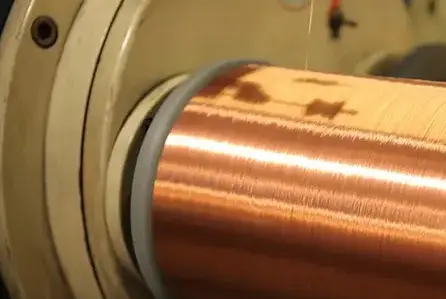
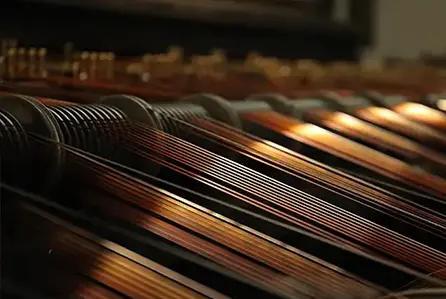
In European and American smart grids, our micro-diameter conductors are used in energy monitoring systems, current transformers, and smart meters. These applications require long service lives with zero insulation breakdown under varying outdoor temperatures. In these scenarios, the 0.14mm polyimide-imide (AIW) wire provides the necessary chemical and thermal protection.
In East Asian automotive hubs, the automotive transition toward smart vehicles has increased the need for high-density sensors, such as blind-spot detection radar modules, electronic throttle controls, and anti-lock braking solenoids. The mechanical strength of our 0.14mm wire allows high-speed winding on automated flyer machines, reducing structural deformation during assembly. Additionally, our wire's consistent solderability speeds up connection cycles during high-volume production, ensuring reliable contact points without stripping the enamel layer beforehand.
Adapting to high-voltage, high-frequency, and sustainable electrification requirements.
The micro-magnet wire industry is facing changes driven by the demand for higher operating voltages and switching frequencies. In power electronics, the use of Wide Bandgap (WBG) semiconductors like Silicon Carbide (SiC) and Gallium Nitride (GaN) has led to higher dV/dt rates. Standard insulation materials degrade quickly under these conditions due to partial discharge. Our technical roadmap focuses on developing nano-composite insulation systems that resist partial discharge, protecting the 0.14mm conductor against premature failure under high stress.
Additionally, we are expanding our production of Copper Clad Aluminum (CCA) and composite conductors. CCA wire combines the light weight of aluminum with the electrical conductivity of copper, offering a cost-effective alternative for weight-sensitive applications. We are also optimizing self-bonding formulations (such as epoxy and polyamide resins) to improve structural stability in high-vibration environments, such as aerospace actuator assemblies and industrial high-speed rotors.
Understanding the logistical advantages, material sourcing, and scale of Suzhou Daiming.
China's industrial landscape provides a strong supply chain network for magnet wire production. At Suzhou Daiming, we leverage our geographic location to source high-purity copper rod (99.99% oxygen-free copper) and refined aluminum stock directly from local smelters. This integration reduces transportation delays and cushions against raw material price fluctuations. Operating a 258,333.33 ft² plant with 30 production lines allows us to scale manufacturing dynamically to meet large export orders.
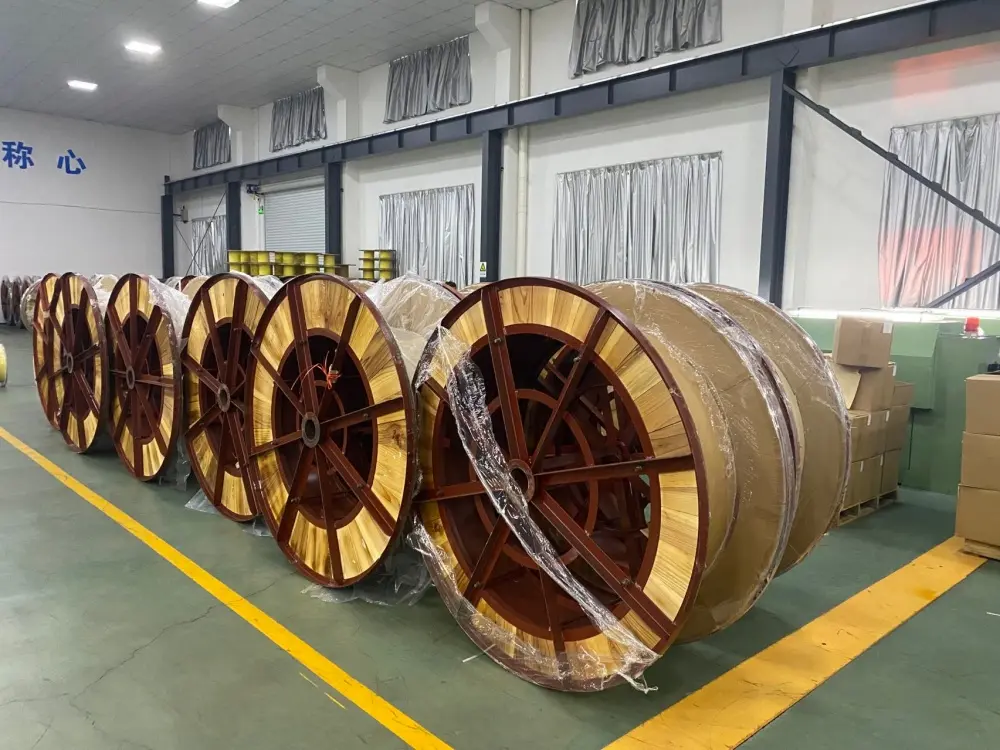
Our logistical framework ensures quick transport to global markets. Located close to major deep-water ports like Shanghai and Ningbo, we can dispatch shipping containers quickly, reducing transit times to key hubs in Europe, the Americas, and Southeast Asia. We offer robust packaging configurations, including standardized DIN spools (like PT-4, PT-10, or PT-15), which protect the micro-wire from mechanical stress and moisture during maritime shipping. This ensures that the wire arrives ready for high-speed automated despooling lines.
Technical updates, international logistics, and market analysis directly from our operations.
New Overseas Shipment News | High-quality CTC Continuous Transposed Conductors Exported to Turkey...
Learn More →
With the rapid development of new energy and high-end manufacturing, cost control and material efficiency are primary concerns...
Learn More →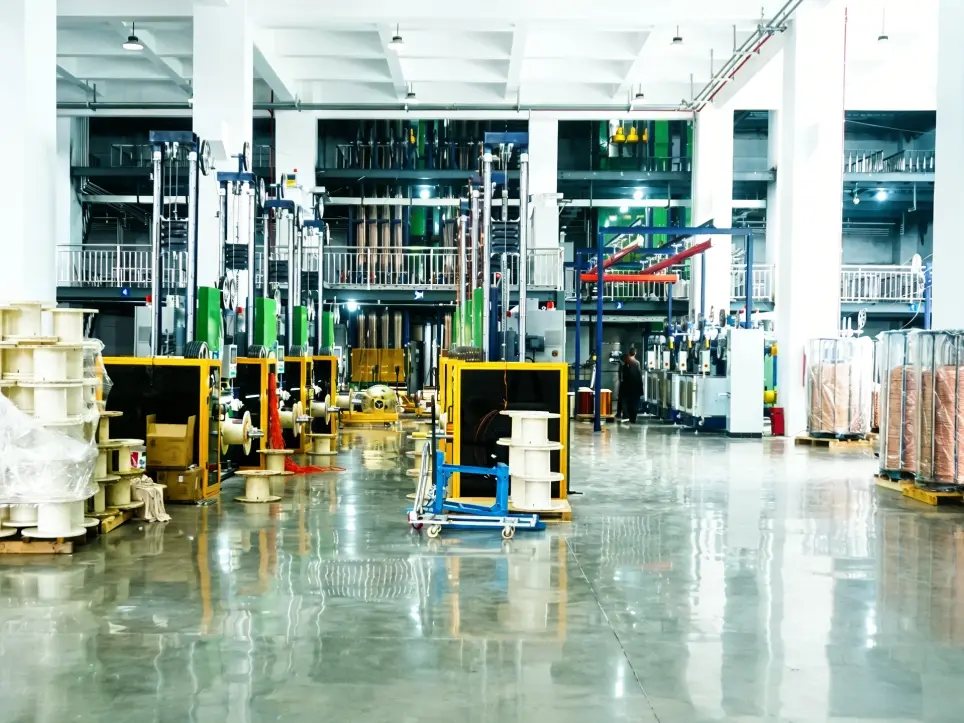
Faced with operational challenges caused by raw material price fluctuations, copper-clad aluminum offers a stable alternative...
Learn More →Every meter of our 0.14mm enamelled wire is verified through automated and destructive laboratory testing.
Our quality assurance protocol includes testing at three distinct phases of the production cycle: incoming material validation, online process control, and final product release verification. In accordance with ISO 9001 and ISO 14001 frameworks, we maintain traceability records for every spool shipped. The testing procedures for our 0.14mm micro-wire range include:
Continuous high-voltage checks (conducted in a saline bath or via dry contact roller electrodes) to identify and count insulation defects per 30 meters.
Mechanical tests designed to measure flexibility and deformation recovery, ensuring the wire retains its shape during winding processes.
Verifies insulation integrity under thermal stress, ensuring compliance with specified peak voltage ratings.
Direct answers to common engineering questions regarding the application and deployment of 0.14mm enamelled wires.
A: Yes, our 0.14mm polyurethane (UEW) wire is designed for direct soldering. The insulation layer melts and acts as a flux when exposed to solder bath temperatures between 370°C and 450°C, leaving a clean, tinned surface. This is suitable for fast-cycle automated terminal connections.
A: At high frequencies, electrical current tends to concentrate on the outer surface of the conductor (the skin effect). Because CCA wire features a copper outer layer over an aluminum core, it provides similar electrical conductivity to solid copper at high frequencies, while reducing weight by up to 40% and offering cost savings.
A: These classes indicate the maximum continuous operating temperature (in Celsius) that the wire's insulation can withstand for a standard service life (typically 20,000 hours). Class 130 is suitable for standard consumer electronics, Class 155 and 180 are typically used in industrial automation and automotive components, while Class 220 (polyimide/AIW) is reserved for high-performance aerospace and heavy-duty traction motors.
A: We maintain tight control over tensile strength and elongation metrics during drawing. Our wire-drawing processes include intermediate annealing stages to maintain the ductility of the metal core, allowing it to withstand high winding speeds and sudden tension changes without breaking.
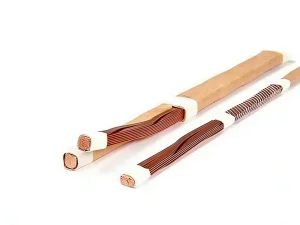
Explore our flat, round, and transposed wire configurations designed for high-power distribution and micro-winding applications.