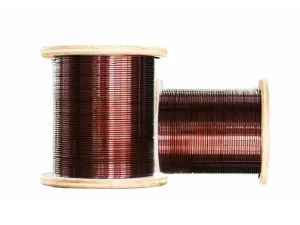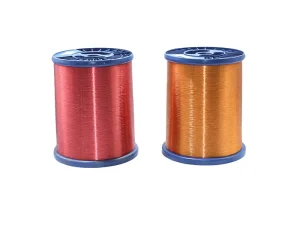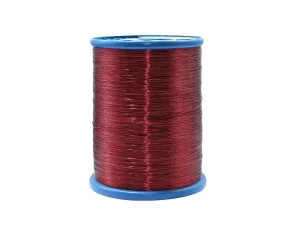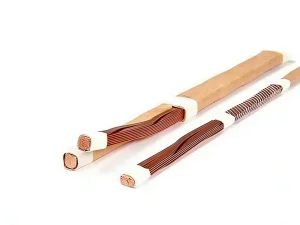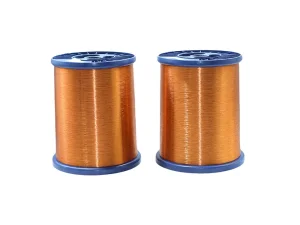
Industrial grade magnet wires, paper covered copper wires, and CTC options optimized for high-power transformer and generator applications.
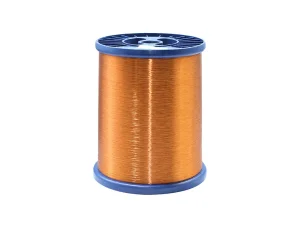
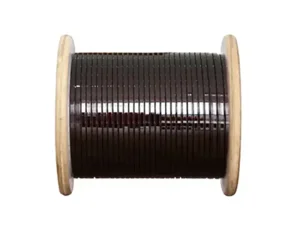
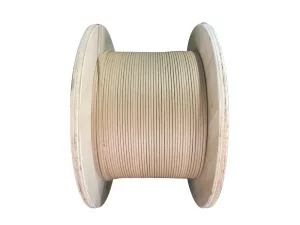
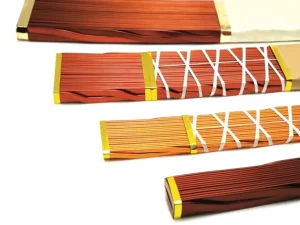
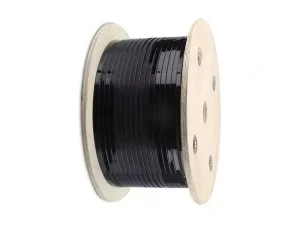
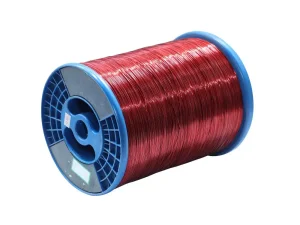
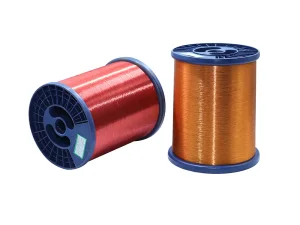
Despite the development of advanced synthetic polymers, paper insulation (especially high-density Kraft paper and thermo-stabilized cellulose paper) remains the gold standard for high-voltage power transformer windings. The combination of oil-impregnated paper provides a dielectric system with self-healing properties, outstanding thermal stress dispersion, and long-term chemical stability.
Paper-wrapped magnet wire, particularly Continuously Transposed Conductor (CTC), maximizes transformer efficiency by addressing the challenges of eddy current losses and heat generation. These properties make them crucial for grid infrastructure upgrades globally.
| Insulation Type | Thermal Class | Dielectric Strength | Primary Application |
|---|---|---|---|
| Kraft Paper | 105°C - 120°C | > 10 kV/mm (in oil) | Large Power Transformers |
| Enameled Wire | 130°C - 220°C | High (Dry conditions) | Motors, Dry Transformers |
| CTC Conductors | 120°C | Optimized for oil | EHV/UHV Grid Substations |
At Suzhou Daiming Electrical Materials, we design and manufacture winding wire solutions tailored to the needs of the global energy grid, industrial automation systems, and high-capacity electrical machinery.
Our 258,333.33 ft² manufacturing center is equipped with 30 state-of-the-art production lines, enabling precise control over wire drawing, annealing, enameling, and paper-covering processes. We supply domestic and international energy markets, ensuring compliance with strict international testing standards.

Ensuring reliable quality and performance in high-stress electrical systems through advanced equipment and strict process controls.
Our enameled and paper-insulated wires undergo strict online monitoring to verify insulation thickness, uniformity, and breakdown resistance. This ensures reliable performance under varying electrical loads.
Designed for long-term reliability, our conductors feature high mechanical strength and thermal stability, allowing them to withstand peak short-circuit forces and high operating temperatures inside oil-filled systems.
We configure wire dimensions, paper layer wrapping directions, and insulation materials to align with our customers' electrical designs and design specifications.
With 30 specialized production lines, we maintain the capacity to support large utility grid projects, delivering on-time production schedules and batch consistency for long-term supply agreements.
Our CTC and paper-covered conductors are engineered to minimize electrical losses in transformers, supporting energy transmission systems and carbon-reduction initiatives.
Providing custom winding conductors for complex electrical systems across various industrial sectors.
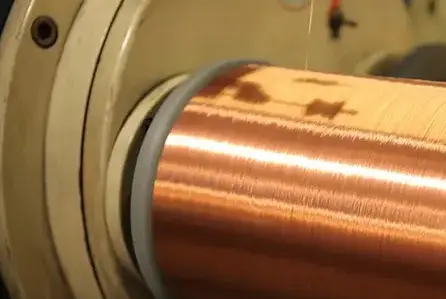
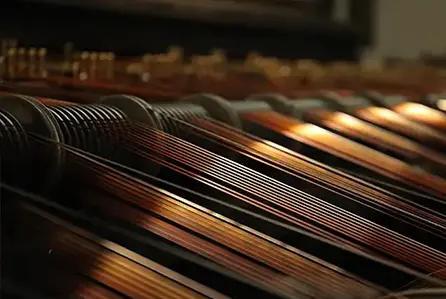
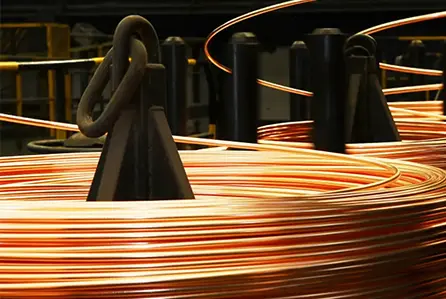
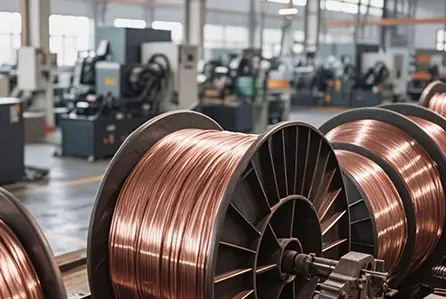
PVF (Polyvinyl formal) or epoxy-coated enamel is used on individual copper strands to prevent short circuits within the transposed bundle.
Precise wrapping machinery prevents air gaps or overlapping tears in Kraft paper insulation during winding.
Maintaining strict thickness tolerances (within hundredths of a millimeter) is critical to achieving the target fill-factor in transformer design.
The transmission and distribution sector is transitioning toward higher operating voltages. The adoption of Ultra-High Voltage (UHV) AC and DC systems reduces electrical losses over long distances, requiring magnet wire manufacturers to enhance the dielectric margins of their materials.
In addition to electrical grids, the automotive industry's transition to 800V drivetrains has increased demand for high-performance enameled and paper-insulated wires. Daiming's technology development is focused on mitigating partial discharge (PD) issues, improving oil compatibility, and maximizing thermal endurance.
Our engineering team works to optimize the chemical and physical compatibility between insulation layers and modern synthetic cooling fluids, helping extend the operating lifespan of heavy industrial equipment.
Stay informed with the latest updates from our production center and technical articles on winding wire developments.
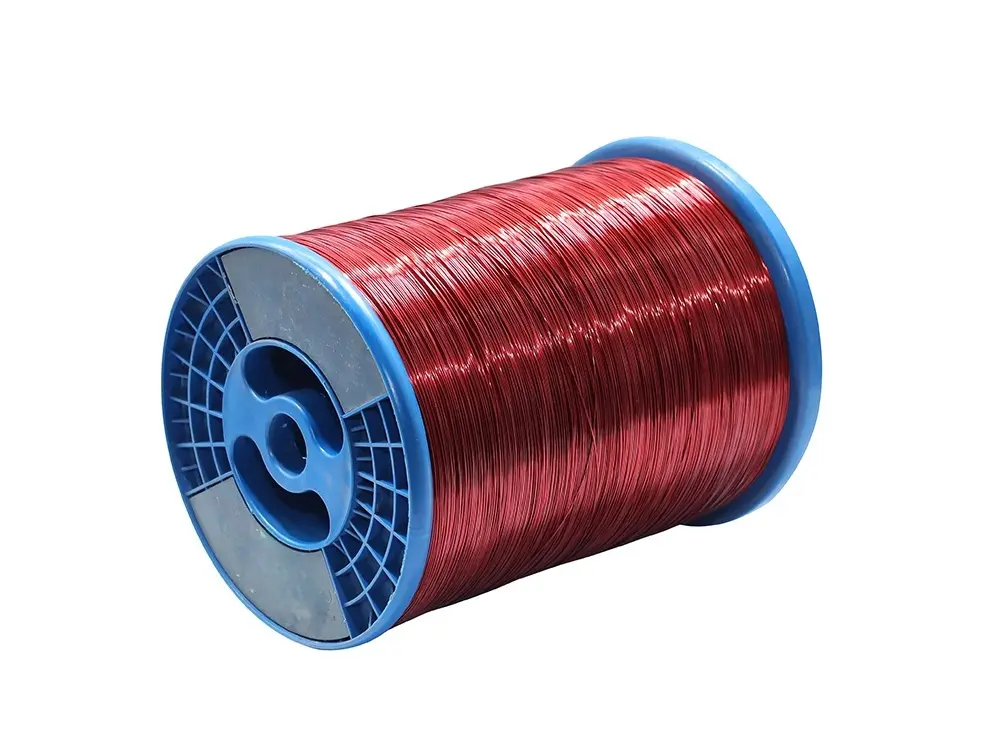
Aluminum wire options are increasingly considered for transformer applications due to volatile raw copper prices, offering balanced weight and performance.
Read Full Article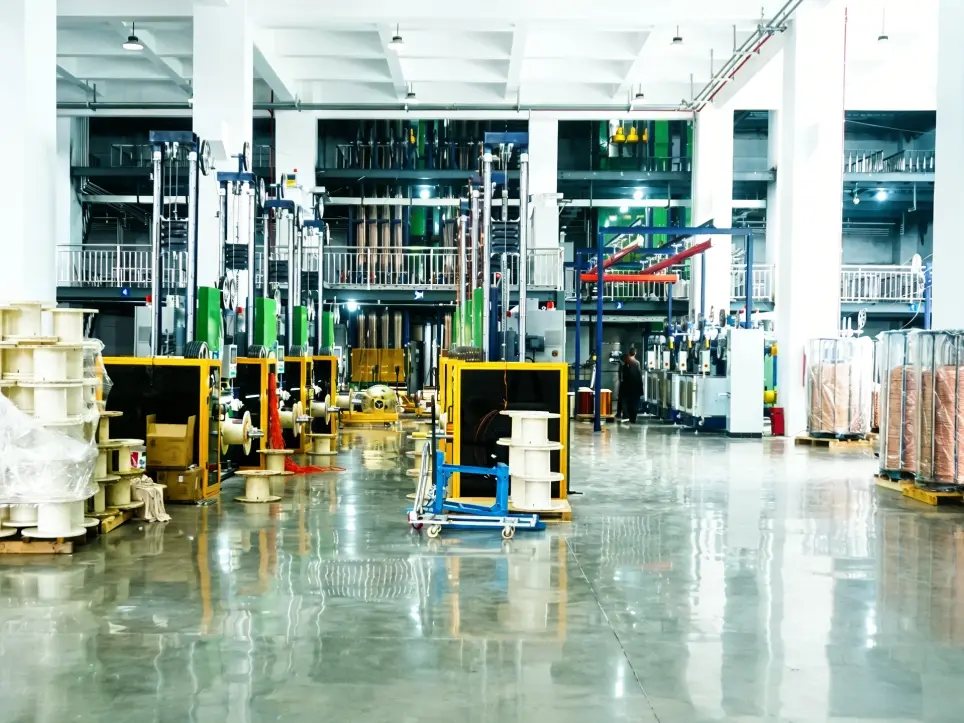
CCA winding wires combine the high conductivity of copper with the lower weight of aluminum, supporting structural optimization in transformer designs.
Read Full Article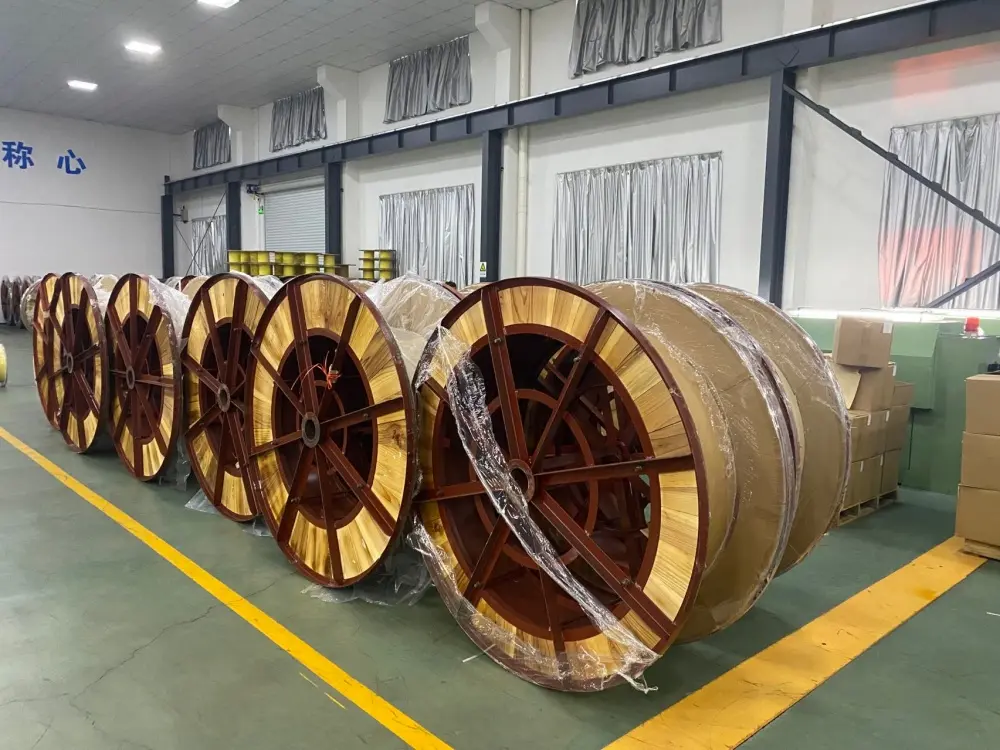
We completed international shipments of continuously transposed conductors (CTC) for utility grid upgrades, demonstrating our large-scale production capacity.
Read Full ArticleAnswers to common engineering and procurement questions regarding paper-insulated and enameled winding wires.
CTC consists of a bundle of rectangular enameled copper strands transposed continuously to form a single conductor. This layout helps minimize skin effect and eddy current losses in large-power transformer windings, improving overall system efficiency.
We primarily utilize high-density Kraft insulation paper, crepe paper, and thermo-stabilized cellulose paper. The selection is determined by the specific thermal class and dielectric requirements of the client's transformer design.
Our quality control processes include mechanical testing, spring-back angle measurement, elongation tests, and high-voltage dielectric breakdown testing in oil. This ensures that the insulation layers do not peel or break during the transformer winding process.
Yes, aluminum winding wire (flat or round) is a viable option for specific designs. While it has lower conductivity than copper, its lower weight and cost make it suitable for distribution transformers and applications with space flexibility.
Epoxy-bonded CTC uses epoxy-coated enameled strands that cure during transformer assembly. This process bonds the strands together to increase the winding's mechanical strength against short-circuit forces.
Yes. We offer customization for the wire cross-section, the number of paper wrap layers, and the thickness of the insulation, aligning with the specific design inputs provided by the client.
Additional wire solutions, including specialized CTC designs, high-temperature flat copper, and enameled aluminum wires.