In 2026, selecting High Pressure Resistant Wire starts with the environment, not the product label. A cable beside a hydraulic press faces different demands from a sensor lead lowered into a water-filled borehole. Pressure is only one variable. Temperature, fluid chemistry, voltage, movement, and installation depth can all affect the right construction. A thick outer jacket may still fail if the seals, conductor, or terminations are not designed for sustained pressure. Details matter.
This guide explains how to compare wire and cable options using the conditions they must actually withstand. Check the specified pressure range, exposure duration, operating temperature, and contact with oils, water, or chemicals. Then review conductor material, insulation, shielding, jacket, bend radius, and connector compatibility. Ask suppliers for test data that matches your application; a pressure rating without its test conditions leaves room for doubt. At what depth was it tested? For how long? Was the complete assembly tested, or only a sample of its material? These questions are practical, not fussy.
There is no single best choice for every installation. A design that works in a static enclosure may struggle under repeated bending or pressure cycling. Compare documented performance, installation needs, and service life before deciding. Sometimes product sheets look reassuring, yet omit the detail you need. Pause there. Verify the evidence, and involve a qualified engineer when failure could damage equipment or endanger people.
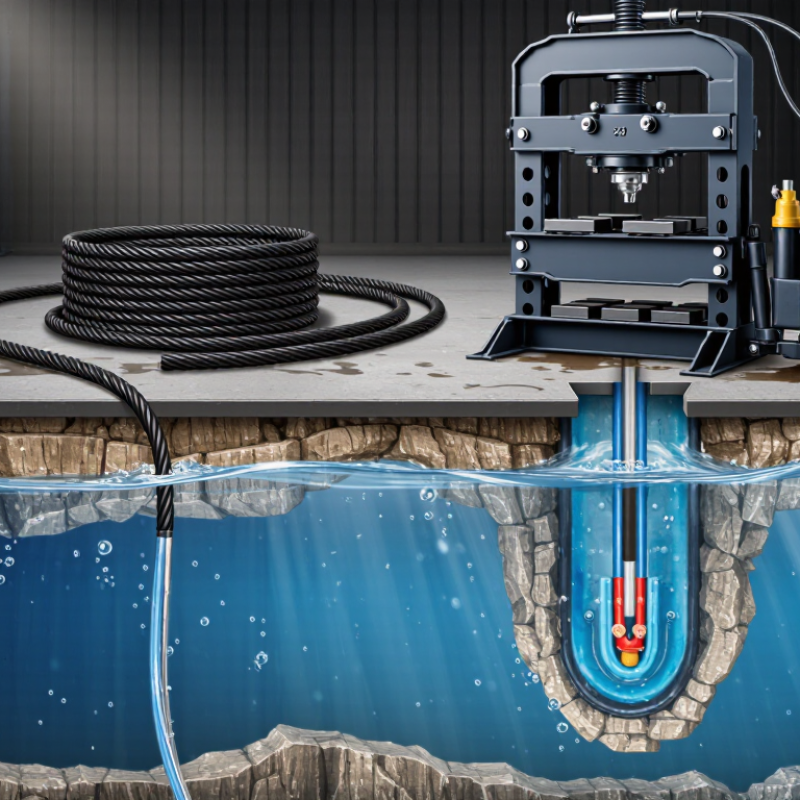
Define pressure, temperature, and operating conditions before comparing wire constructions. NOAA’s ocean-pressure guidance gives a useful screening figure: seawater pressure rises by about one atmosphere per 10 meters of depth. That estimate helps frame external hydrostatic exposure, but it does not replace the cable maker’s pressure rating or a project-specific test. Record whether pressure acts outside the cable, inside a sealed assembly, or both. Include peak pressure, exposure duration, pressure cycling, and the expected depth or process pressure. Small details matter.
Temperature needs the same care. Record ambient temperature, conductor temperature, short-term peaks, and nearby heat sources such as motors or hot piping. The IEC 60216 series evaluates insulation thermal endurance through accelerated ageing and temperature-index methods; its data can help compare insulation materials, but it cannot predict every field condition. Check how the cable performs under combined heat and pressure, not just either condition alone. Also note fluid contact, vibration, bending radius, and installation method. These can change insulation life or stress the seal at a connector. A common selection mistake is specifying “high pressure” without stating the pressure direction or test duration. It is easy to overlook. Define those conditions in writing, then confirm that the complete cable assembly—not only the wire—has evidence matching them.
Select a cable assembly for the actual pressure, temperature, fluid, and movement conditions—not from the insulation material name alone. Pressure capability is construction-specific; confirm the cable or assembly’s documented continuous working pressure and test conditions with its supplier.
| Operating scenario | Pressure to define | Temperature and environment | Selection and verification points |
|---|---|---|---|
| Subsea or underwater installation | Specify depth and external hydrostatic pressure. Seawater pressure rises by approximately 1 bar for every 10 m of depth; at 1,000 m, ambient pressure is about 100 bar above surface atmospheric pressure. | Record minimum and maximum water temperature, immersion duration, and seawater exposure. | Require an assembly qualified for the stated external pressure and depth. Check jacket, seals, connectors, and splice points; a water-resistant jacket alone does not establish a pressure rating. |
| Hydraulic equipment | Use the system’s maximum working pressure, including transient spikes. Industrial hydraulic systems commonly operate in the 100–350 bar range, but actual design values vary substantially. | Include fluid temperature, ambient heat, vibration, and exposure to hydraulic oil. | Confirm whether pressure acts directly on the cable or is contained by a hose, conduit, or enclosure. Verify fluid compatibility and the pressure rating of the complete assembly and terminations. |
| High-pressure washdown | Document nozzle pressure, spray distance, angle, duration, and whether the jet can strike cable entries or connectors directly. | Include hot-water temperature and cleaning chemicals, if used. | Specify a suitable enclosure and cable-entry protection for the cleaning method. Do not treat an ingress-protection designation as a continuous hydrostatic-pressure rating. |
| Pressurized vessel or process line | State internal or external pressure, normal and peak values, pressure cycles, and whether the cable passes through a pressure boundary. | Identify process fluid, temperature range, and any thermal cycling. | Use a pressure-rated feedthrough or penetration assembly where the cable crosses a vessel wall. Check seal materials against the fluid and temperature, and require documented qualification for the intended service. |
| Hot, pressurized environment | Specify pressure at the cable location and whether it is continuous, cyclic, or a short-duration event. | Compare the full operating temperature range with the cable’s documented continuous and short-term temperature limits. Common insulation families include PVC, XLPE, silicone, and PTFE; ratings depend on the specific construction and applicable standard. | Check that conductor temperature under load stays within its rating. Also verify pressure performance, fluid compatibility, aging, and connector limits at the same temperature. |
| Moving or flexing installation | Define pressure range and cycles alongside bend radius, travel, speed, and expected service life. | Include temperature during movement, as cold or heat can affect flexibility and jacket life. | Choose a construction tested for the required flexing duty. Confirm minimum bend radius during installation and operation; pressure qualification on a stationary sample may not cover repeated flexing. |
| Pressure | State units, operating and peak pressure, internal or external exposure, duration, cycles, and required qualification or test method. |
|---|---|
| Temperature | Provide minimum and maximum ambient, conductor, and process-fluid temperatures, including any short-term excursions. |
| Exposure and installation | Identify fluids, chemicals, moisture, abrasion, vibration, bending, and whether pressure acts on the cable, its enclosure, or its penetrations. |
| Documentation | Request the cable assembly’s continuous working pressure, temperature limits, compatibility data, test conditions, and ratings for connectors and terminations. Do not infer these values from a material name or a general ingress-protection rating. |
Pressure and temperature figures above describe typical service contexts, not a rating for any particular cable. Final selection must be based on the documented specifications of the complete cable assembly and the applicable project requirements.
Match it to the actual pressure, temperature, fluid, and exposure time. A headline rating alone is not enough.
No. The immersion depth and duration depend on agreed test conditions. Ask for the exact depth, time, and temperature. Small gaps matter.
Check the tested model, materials, pressure units, ramp rate, hold time, sample count, and pass criteria. “Pressure tested” is too vague.
Yes. Ask whether the cable, connectors, and seals were tested together. For subsea use, check whether bends were included where relevant.
No. Electrical ratings and external-pressure resistance address different risks. Request evidence for the pressure conditions at your site.
Seawater pressure rises by roughly one atmosphere every 10 metres. Check the cable’s rated pressure, compatible connectors, and seal performance.
Consider heat, chemicals, movement, abrasion, bend radius, and maintenance access. A wet pump room can create different stresses from an underwater route.
Ask for test methods, material limits, and lifespan assumptions tied to operating conditions. Confirm response times and replacement availability in writing. Get it in writing. I’d still question any lifespan estimate that ignores real site conditions.
Choosing High Pressure Resistant Wire in 2026 starts with a clear understanding of the conditions it must withstand. Define the operating pressure, temperature range, environment, and expected movement or exposure before comparing options. The conductor, insulation, and outer sheath should each suit these conditions, since the complete cable assembly—not just one material—determines its durability and performance.
Next, confirm that the wire’s voltage, current, and pressure ratings match the application, with suitable margins for expected operating demands. Review relevant standards, certifications, and test evidence to verify that stated performance is supported. Finally, consider installation constraints, anticipated service life, maintenance needs, and the supplier’s technical support. Evaluating these factors together helps identify a wire that is reliable, practical to install, and appropriate for long-term use.
