Enameled Magnet Wire has become a critical component in various industries, particularly in electrical engineering and manufacturing. According to a recent report by Market Research Future, the global enameled magnet wire market size is projected to reach USD 29.8 billion by 2028, growing at a CAGR of 5.2%. This growth reflects the increasing demand for efficient energy solutions and advanced technologies.
Enameled Magnet Wire consists of copper or aluminum wire coated with a thin layer of insulation. This design minimizes space while enhancing electrical performance. It finds applications in transformers, electric motors, and generators. A distinctive aspect of enameled magnet wire is its ability to withstand high temperatures, making it suitable for demanding environments.
Despite its advantages, there are challenges in the manufacturing process. Quality control remains a significant concern. Variations in insulation thickness can lead to reduced efficiency. Additionally, ensuring uniform coating can be difficult, impacting performance. These factors necessitate continuous innovation and improvement within the industry. The evolution of Enameled Magnet Wire is indeed a critical focal point for future advancements.
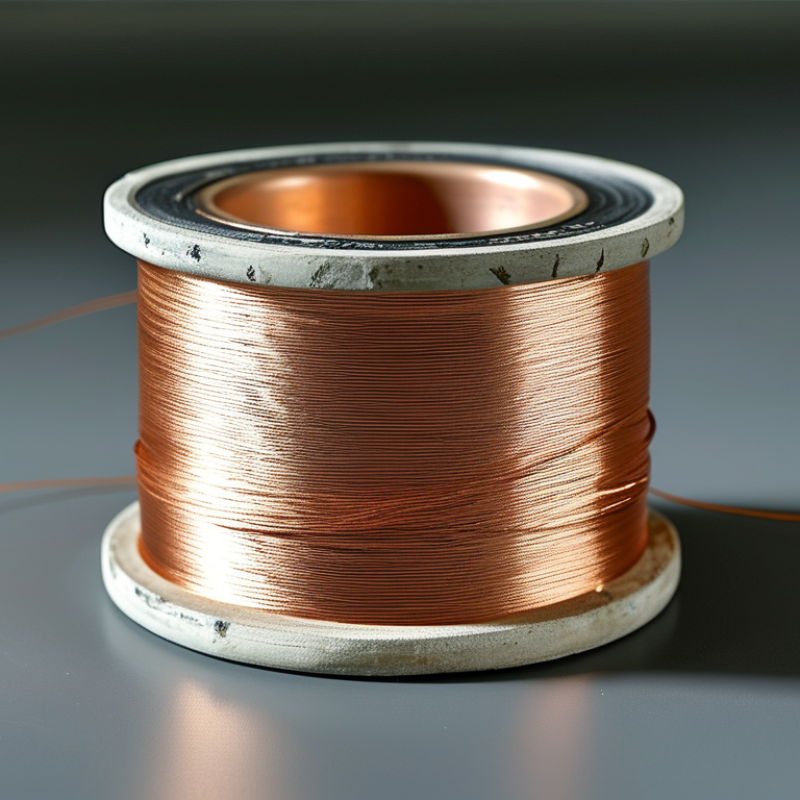
What is Enameled Magnet Wire? Definition and Composition Overview
Enameled magnet wire, often referred to as winding wire, is crucial in electrical applications. It consists of a copper or aluminum core coated with a thin layer of insulation. This insulation is typically made from polymer materials, providing electrical resistance. The combination of metal and insulation enables efficient conductivity while preventing short circuits.
The properties of enameled magnet wire make it ideal for motors, transformers, and inductors. Its high heat resistance allows it to perform under demanding conditions. However, the thickness of the enamel can vary, impacting the wire’s flexibility and durability.
Stripping the wire for connections can be challenging, requiring careful handling to avoid damaging the insulation.
Selecting the right gauge and type of wire is essential in many applications. A mismatch can lead to inefficiencies. Users should also consider the operating environment; factors like humidity and temperature can affect performance. Enameled magnet wire remains a versatile choice, balancing performance with the need for thoughtful application.
Key Properties of Enameled Magnet Wire: Electrical and Thermal Resistance
Enameled magnet wire is crucial in the electrical industry. It consists of copper or aluminum wire coated with a thin layer of insulation. This insulation protects the wire while allowing it to perform efficiently. One of its key properties is electrical resistance. The enamel coating helps to reduce energy loss during current transmission. This makes the wire ideal for motors and transformers.
Alongside electrical resistance, thermal resistance is another vital characteristic. Enameled wires can withstand high temperatures without degrading. This property extends their lifespan and reliability in various applications. In motors, for example, high thermal resistance prevents the wire from burning out. However, not all enameled wires are created equal. Variations in the coating can lead to differences in performance.
Understanding these properties is essential for selecting the right wire for specific applications. Misjudging the thermal or electrical resistance can lead to equipment failure. Choosing the appropriate enameled wire can save money and reduce maintenance efforts. Yet, manufacturers must continue to innovate to meet the evolving demands of the industry. The balance between performance and durability remains a challenge.
Common Manufacturing Processes for Enameled Magnet Wire Production
Enameled magnet wire is essential in various electrical applications. Its manufacturing processes define its quality and functionality. High-performance enameled wire typically undergoes several key processes, such as wire drawing, insulation, and curing.
Wire drawing is the initial step. It reduces the diameter of copper or aluminum conductors. This process requires precision to achieve the desired measurements. According to industry reports, the wire diameter may range from 0.018 mm to 5.0 mm, affecting the wire’s conductivity and flexibility.
Insulation is crucial for enameled magnet wire. The wire is coated with a thin layer of enamel. This coating prevents short circuits and enhances durability. The curing process follows, solidifying the insulation. Typically, this process involves heating the wire to 200°C or higher. Reports indicate that the curing time can vary but often lasts several hours to ensure optimal insulation properties.
While these processes are well established, challenges persist. Variability in raw materials can lead to inconsistencies in wire performance. Manufacturers must continuously adapt to technological advances and material variations. Ensuring high quality while managing costs remains an ongoing challenge in the industry.
Enameled Magnet Wire Applications Across Industries
Applications of Enameled Magnet Wire in Various Industries and Devices
Enameled magnet wire plays a crucial role in various industries. Its insulation layer offers excellent electrical performance, making it ideal for applications in transformers, motors, and generators. In electronics, it allows devices to function efficiently while minimizing energy loss. The wire’s versatility supports its use in both small devices like headphones and larger machinery.
Another significant industry utilizing enameled magnet wire is renewable energy. Wind turbines and solar power systems rely on this wire for energy conversion. Its durability and heat resistance ensure long-term performance in challenging environments. However, manufacturers often face challenges in balancing cost with the quality of the wire. This can impact the reliability of the devices.
In the automotive sector, enameled magnet wire is vital for electric vehicle components. As the demand for electric vehicles rises, so does the need for high-quality magnet wire. It supports efficient motor function and contributes to overall vehicle performance. Yet, the industry must continuously improve wire technology to meet increasing energy efficiency standards and consumer expectations.
Market Trends and Future Potential of Enameled Magnet Wire Usage
Enameled magnet wire is seeing a rise in demand across various sectors, notably in electric vehicles (EVs) and renewable energy. A report from ResearchAndMarkets predicts that the global market for enameled wires will reach approximately $17 billion by 2027, growing at a CAGR of around 6%. This growth is driven by the increasing need for energy-efficient products and technologies. Enameled wire plays a crucial role in motor windings and transformers, critical components in these sectors.
The future potential of enameled magnet wire lies in advancements in material technology. Innovations in insulation and wire composition can enhance thermal resistance and conductivity. Industry experts suggest a shift towards more sustainable practices in manufacturing. However, challenges remain. The transition to eco-friendly materials could lead to increased production costs. Additionally, as new applications emerge, maintaining quality standards is vital. Competitors must adapt quickly to changing market demands while ensuring product reliability.
Market trends indicate a growing focus on smart technologies. These require more efficient and lighter-weight components. According to a report by Statista, the production of electric motors in the automotive sector is projected to increase significantly in the coming years. Enameled magnet wire will be central to achieving efficiency in these growing applications. Yet, companies must remain vigilant. The balance between innovation and cost-effectiveness is precarious. The path forward demands not only creativity but also strategic planning to harness this potential.
What is Enameled Magnet Wire and Its Applications? - Market Trends and Future Potential of Enameled Magnet Wire Usage
| Dimension |
Value |
| Global Market Size (2023) |
$6.5 Billion |
| CAGR (2023-2030) |
4.2% |
| Key Applications |
Electric Motors, Transformers, Generators |
| Main Material Type |
Copper, Aluminum |
| Major Regions |
North America, Europe, Asia-Pacific |
| Emerging Trends |
Increased Use in Electric Vehicles, Renewable Energy Sector |
| Challenges |
Raw Material Costs, Technological Advancements |
FAQS
: Enameled magnet wire consists of copper or aluminum wire with a thin insulation layer. This helps improve efficiency.
Electrical resistance reduces energy loss during current transmission, making the wire suitable for motors and transformers.
High thermal resistance allows wires to withstand high temperatures. This prevents burning out and extends lifespan.
Common processes include wire drawing, insulation, and curing, each essential for achieving quality and functionality.
Wire drawing reduces the diameter of the conductor, requiring precision. Diameters can range from 0.018 mm to 5.0 mm.
Insulation prevents short circuits and enhances durability by coating the wire with a thin layer of enamel.
Curing typically involves heating the wire to over 200°C. This solidifies the insulation, usually taking several hours.
Variability in raw materials can cause inconsistencies in wire performance. This can lead to issues in production quality.
Balancing quality with cost management while adapting to technological changes is an ongoing challenge for manufacturers.
Misjudging thermal or electrical resistance can lead to equipment failure. Careful consideration is essential in selection.
Conclusion
Enameled Magnet Wire is a crucial component in electrical engineering, defined by its unique insulation and conductive properties. Composed of a copper or aluminum core coated with a thin layer of enamel, this wire is known for its excellent electrical conductivity and thermal resistance, making it ideal for various applications. Common manufacturing processes include drawing, enameling, and annealing, which enhance its performance and reliability.
The applications of Enameled Magnet Wire span multiple industries, including telecommunications, automotive, and consumer electronics, where it is utilized in motors, transformers, and inductors. As technology advances, the market for Enameled Magnet Wire continues to grow, reflecting its vital role in innovative devices and energy-efficient solutions. Future trends suggest an increasing demand for Enameled Magnet Wire, driven by the push for electric vehicles and renewable energy technologies, highlighting its ongoing relevance in modern engineering.