
Choosing the right type of wire for electrical applications is crucial. Continuous Transposed Rectangular Copper Wire (CTR-CW) stands out as a top choice. According to industry reports, CTR-CW reduces electromagnetic interference and enhances electrical efficiency. Its unique structure allows for better thermal management and lower resistive losses compared to other types of wiring.
The rising demand for efficient energy solutions has led to an increased focus on the benefits of CTR-CW. In 2022, market research indicated a 5% growth in the adoption of advanced wiring technologies. This trend highlights the growing recognition of CTR-CW’s advantages in various sectors. Users often overlook potential challenges, such as installation complexity and cost, yet these considerations are vital for informed decision-making.
Moreover, choosing CTR-CW is also about reliability. Studies show that its longer lifespan can lead to reduced maintenance costs over time. However, it’s essential for users to assess their specific needs carefully. While CTR-CW offers many benefits, not every application may require its advanced capabilities. The decision should align with both technical requirements and budget constraints.
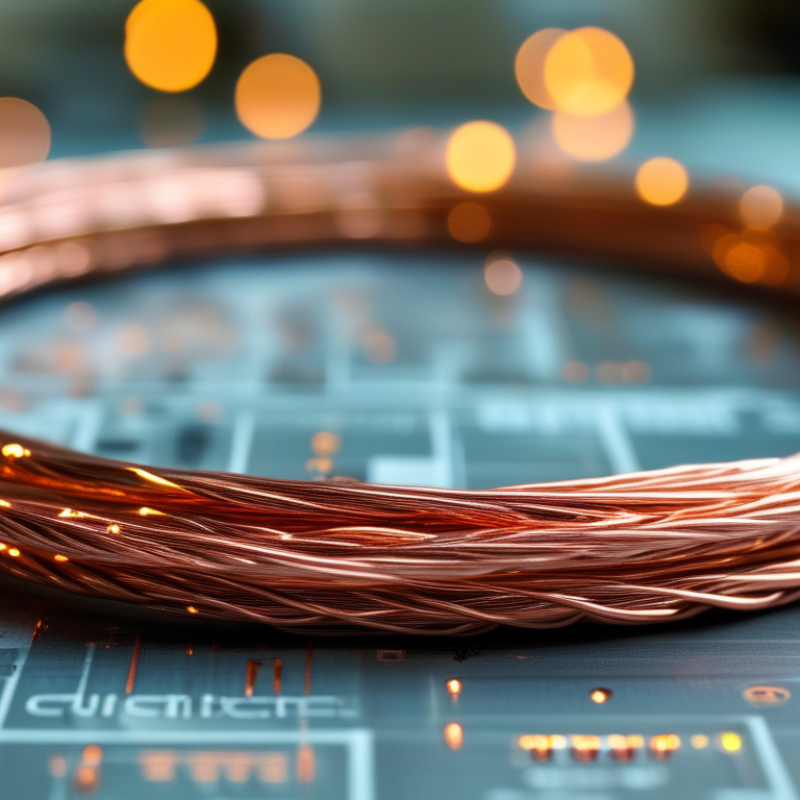
Continuous Transposed Rectangular Copper Wire (CTR) possesses unique properties that make it ideal for various applications. Its structure allows for reduced electromagnetic interference. This characteristic is essential in electrical systems where signal integrity is crucial. CTR provides optimal conductor efficiency. It minimizes losses, enhancing overall performance.
Quality is a vital aspect of CTR. The manufacturing process involves precise control, ensuring consistent dimensions and electrical properties. This reliability is significant for industries demanding high performance. However, sourcing quality CTR can be challenging. Many manufacturers may not adhere to strict quality control. This inconsistency can lead to issues in critical applications.
Understanding the properties of CTR is necessary for making informed choices. It has a higher conductivity compared to traditional wire types. CTR can carry more current; thus, it is suitable for compact designs. Despite its advantages, costs can be higher than standard options. Evaluating budget constraints versus performance needs is crucial. Choosing CTR requires careful consideration of both its benefits and limitations.
Continuous transposed rectangular copper wire offers distinct advantages in various electrical applications. Its unique design allows for improved electrical performance. By transposing the wire, electromagnetic interference is significantly reduced. This ensures a more consistent and reliable power transmission.
One significant benefit is its ability to handle high currents. This wire type can easily maintain its integrity under stress. The rectangular form factor also makes it easier to manage in confined spaces. Users often report fewer installation issues compared to traditional wire types.
It's important to consider that while these wires have many benefits, they may not be suitable for all situations. The initial cost can be higher than alternatives. Additionally, some technicians may require training to work with this specialized wire. Proper installation is key to reaping its benefits. It’s crucial to evaluate your project's specific needs before making a decision.
| Feature | Advantage | Application |
|---|---|---|
| High Electrical Conductivity | Ensures efficient energy transmission | Power distribution systems |
| Superior Thermal Performance | Reduces overheating risks | Transformers and motors |
| Flexible Design | Allows for easier installation in tight spaces | Industrial and commercial wiring |
| Reduced Skin Effect | Enhances overall efficiency of the wire | High-frequency applications |
| Corrosion Resistance | Increases longevity and reliability | Outdoor and harsh environments |
| Cost-Effective | Offers long-term savings on maintenance and energy | Various electrical installations |
Continuous Transposed Rectangular Copper Wire (CTR) plays a significant role in various industries. Its unique design allows for reduced electromagnetic interference, making it ideal for high-current applications. This feature is critical in power distribution systems, where reliability and efficiency are paramount. Many manufacturers prefer CTR for its excellent conductivity and durability, ensuring long service life.
In the telecommunications field, CTR is often used in signal transmission. The design helps maintain signal integrity, reducing the risk of data loss. Moreover, the wire’s rectangular shape allows for easier bundling and installation. However, not all applications may benefit equally from CTR. In some cases, the cost may outweigh its advantages, leading some to question its value for specific projects.
In rail and energy sectors, CTR has proven its worth. Its resistance to thermal expansion and environmental factors ensures robust performance. Yet, the technology behind CTR is continually evolving. Some engineers find it a challenge to stay updated with these advancements. As industries adapt, the demand for training and expertise in CTR applications grows. Such needs highlight the importance of continuous learning and research in this field.
When selecting copper wire, key performance metrics greatly influence the decision-making process. Continuous transposed rectangular copper wire stands out due to its excellent electrical conductivity. Research highlights that this type of wire can achieve a conductivity of around 95% IACS (International Annealed Copper Standard), making it highly efficient for power applications. Efficiency is crucial in minimizing energy loss, which can impact overall system performance.
Temperature rise is another critical aspect. According to studies, rectangular copper wire can handle higher current loads without overheating, thanks to its larger surface area. This characteristic is essential in high-power systems where heat dissipation is a primary concern. For example, it can operate effectively in temperatures exceeding 200°C, significantly prolonging service life and reliability in demanding conditions.
Moreover, mechanical strength is vital. Continuous transposed designs enhance the wire’s durability, allowing for flexible installation without compromising performance. Industry data suggests that the tensile strength can surpass 210 MPa, ensuring longevity even in challenging environments. However, careful handling is necessary to avoid potential damage during installation. Awareness of these metrics can guide users in making informed choices.
When comparing continuous transposed rectangular copper wire to traditional copper wire solutions, several critical factors emerge. Continuous transposed wire offers superior flexibility for various applications. Its rectangular shape allows for efficient space utilization in complex electrical systems. This wire type reduces the skin effect, leading to better conductivity. In contrast, traditional wires often lack such design optimizations. This discrepancy can impact overall system efficiency.
Another significant point of differentiation is performance under high temperature and electrical load. Continuous transposed wires typically handle stress better than their traditional counterparts. However, the production process can be more complex and costlier. This aspect may prompt users to evaluate their budget and specific needs. Not every application requires the enhanced performance that continuous transposed wires offer.
Reliability is essential in selecting wire types. Users must consider the operational environment carefully. While continuous transposed wires can shine in specific scenarios, they may not be the best choice for simple, low-load situations. The effectiveness of any wire type ultimately depends on factors like installation conditions and electrical requirements. Rethinking these parameters is vital to achieve optimal performance without unnecessary spending.
This chart compares the efficiency and cost per meter of Continuous Transposed Rectangular Copper Wire against traditional round copper wire. Continuous Transposed technology offers higher efficiency, making it a better choice for modern applications despite a slightly higher cost.
: CTR is a wire designed to reduce electromagnetic interference, ideal for high-current applications.
Its reliability and efficiency make it a favored choice for power distribution.
CTR maintains signal integrity, reducing data loss risks during signal transmission.
Its rectangular shape allows for easier bundling and installation in complex systems.
The cost can outweigh its benefits in certain applications, which may lead to questions about its value.
CTR offers better flexibility and conductivity, while traditional wires may lack these advantages.
Yes, CTR typically performs better under stress compared to traditional wire options.
The production process is more complex and costly, prompting budget considerations.
For simple, low-load applications, traditional wires may be a better fit.
It's important to evaluate installation conditions and electrical requirements to avoid unnecessary spending.
Continuous Transposed Rectangular Copper Wire is a specialized electrical conductor that offers several distinct advantages over traditional copper wire options. It is designed to enhance performance by minimizing electrical losses and improving thermal management, making it ideal for applications where efficiency is paramount. This wire’s unique properties allow for better handling of electrical currents, reducing electromagnetic interference, which is crucial in a range of industries including telecommunications, power generation, and transportation.
When selecting copper wire variants, key performance metrics such as conductivity, heat dissipation, and mechanical strength must be considered. Continuous Transposed Rectangular Copper Wire excels in these areas, demonstrating superior capabilities in high-demand environments. A comparative analysis shows that it not only meets but often exceeds the requirements set by conventional copper wire solutions, making it a preferred choice for engineers and designers seeking reliability and enhanced performance in their applications.
