Choosing the right "Coating Wire" can significantly impact your project's success. According to industry expert, Dr. Emily Richards, “The material and coating type can make or break your application.” Understanding the various types of coating wires is essential. Different coatings offer different protections and performances.
In this evolving industry, selecting the ideal coating wire involves practical considerations. You need to assess your specific needs, whether for corrosion resistance, electrical insulation, or thermal stability. Knowing the exact environment where the wire will be used is crucial. Subpar choices lead to problems, potentially compromising safety and efficiency.
It’s not just about picking any coating wire. The decision should be informed by your project requirements. Researching reliable suppliers and material specifications is vital. However, not every source provides complete information. Relying solely on a single source might lead to misunderstandings. Therefore, an informed, reflective approach to selecting coating wire will yield the best results.
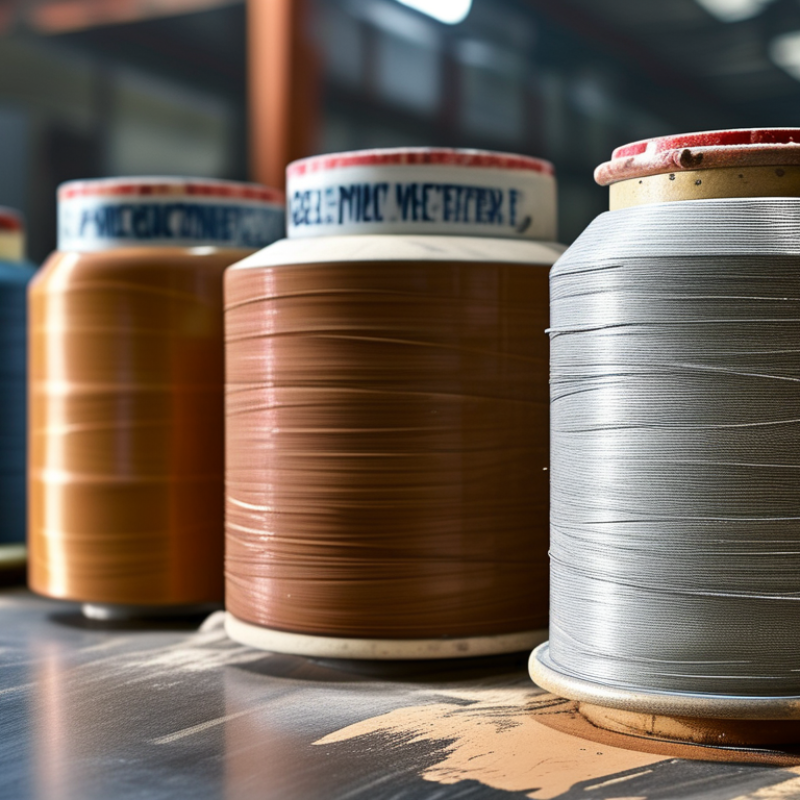
When choosing coating wire, several factors are crucial. Understand your application needs. The type of wire can affect performance and durability significantly. For example, different environments require different coatings. A study indicated that wires with polyvinyl chloride (PVC) coatings have enhanced corrosion resistance compared to traditional options.
Consider electrical conductivity as well. High conductivity materials are essential for efficient energy transmission. According to an industry report, copper and aluminum are top choices. They provide excellent conductivity while maintaining flexibility. Evaluate the mechanical strength as well. A wire that is too weak can lead to failures in critical applications.
Tips: Always test small samples first. This ensures compatibility with your equipment. Pay attention to temperature ranges too. High heat can degrade some coatings. Don't hesitate to consult with experts. They can offer insights tailored to your specific needs. This point can save time and resources in the long run.
When choosing a coating wire, understanding different types is essential. Coating wires typically include PVC, polyethylene, and PTFE. Each material serves unique functions in various environments. For example, PVC wires are flexible and affordable, making them suitable for domestic applications. They resist abrasion and chemicals, often used in indoor wiring.
PTFE is more specialized. It excels in high-temperature settings. This makes it ideal for industries like aerospace and automotive. It offers excellent electrical insulation and chemical resistance. However, it can be pricier and less flexible. Knowing these applications can help in making the right choice.
Tips: Focus on the environment where the wire will be used. Consider flexibility and temperature ranges. You might find that balancing cost with quality is often challenging. Not all wires are equal; testing might reveal weaknesses in the coating. Always consider how the wire might perform over time. Different materials react in unexpected ways, especially under extreme conditions.
When selecting coating wire, material compatibility is crucial. Different projects require specific materials for effective performance. For instance, consider environmental factors such as temperature and humidity. They significantly influence how well the coating wire adheres and performs over time.
Understanding the base materials is essential. Some metals, like aluminum, react differently with various coatings compared to steel or copper. Ensure compatibility to avoid issues like peeling or corrosion. Evaluate the application, too. A wire for electrical insulation must meet unique criteria compared to one for structural support.
If you notice unexpected failures, think about the coating material. It might not match the needs of the substrate. Testing various options can help identify the best fit. Experience reveals that not every choice yields immediate results. That’s okay. Learning from these challenges is part of the process. Balancing all factors leads to more reliable performance in the long run.
Coating thickness plays a crucial role in the performance of coating wires. It directly affects durability, flexibility, and the wire's resistance to corrosion. According to a study by the International Wire and Cable Symposium, a thinner coating may increase flexibility but often compromises protection. Conversely, thicker coatings tend to enhance longevity but can reduce wire flexibility. Striking the right balance is essential.
When selecting a coating wire, consider the specific environment it will be exposed to. For example, in humid conditions, a thicker coating can greatly reduce corrosion risks. However, if you expect frequent handling, a thinner option may offer better maneuverability. Industry data suggests that a coating thickness of around 0.5 to 0.8 mm offers a good compromise for general applications.
Tips: Always evaluate the conditions your wire will face. If possible, conduct tests to determine how different coatings hold up over time. Keep in mind that the ideal thickness may vary for each application. Relying solely on manufacturer specifications may not provide the full picture. User experiences can highlight unexpected challenges with certain coating types. Aim for a solution that meets your unique requirements while considering both performance and usability.
When considering budget and costs for coating wire, several factors come into play. Coating wire prices can vary dramatically based on material, diameter, and specific coating requirements. Industry reports suggest that high-density polyethylene-coated wires can cost around $1.50 per foot. In contrast, nylon-coated wires may reach $2.50 per foot. This price difference stems from the materials' properties and their intended uses.
It's crucial to assess both long-term and short-term needs. Cheaper wires might save initial costs but could incur higher replacement or maintenance expenses in the future. An extensive study by the Wire Coating Association highlights that investing in higher-quality coatings can lead to a 30% reduction in long-term maintenance costs. Evaluate the application's demands thoroughly before making a decision.
Tips: Always request detailed quotes from multiple suppliers. This can help you understand price variations and make informed comparisons. Additionally, consider the shipping and handling costs, which can also impact your overall budget. Remember to factor in installation costs, as they can sometimes outweigh the price of the wire itself.
: Understand your application needs, environment, and required durability. Each factor can significantly impact performance.
Coating thickness affects durability and flexibility. Thinner coatings offer flexibility but less protection; thicker coatings enhance longevity.
A thickness of around 0.5 to 0.8 mm provides a balance between protection and maneuverability in most environments.
High conductivity ensures efficient energy transmission. Materials like copper and aluminum are preferred for their excellent conductivity.
Always test small samples first. This helps determine compatibility with your equipment and specific application needs.
Yes, higher-quality coatings can reduce maintenance costs significantly. A study suggests up to a 30% reduction in long-term expenses.
Installation costs can sometimes exceed the wire price. Always factor these into your overall project budget.
Humid conditions might necessitate thicker coatings for corrosion resistance. Handle requirements also influence choice based on maneuverability.
No, user experiences can reveal unexpected challenges. Testing and evaluations are crucial to understand performance well.
Request quotes from multiple suppliers. This helps you make informed comparisons of price variations and additional costs.
When selecting the best coating wire for your needs, several key factors should be considered. The choice of coating wire depends on its intended application, as different types cater to unique requirements across various industries. It's essential to evaluate the material compatibility to ensure that the coating wire interacts well with other components in the system. Additionally, understanding the coating thickness is crucial, as it directly affects performance and durability.
Cost considerations also play a significant role in the selection process, as budgeting for coating wire can influence the overall project expenses. By carefully assessing these aspects—type, material compatibility, coating thickness, and cost—users can make informed decisions to select the most suitable coating wire that meets their specific requirements efficiently.
