
Why Choose Insulated Aluminum Wire for Your Electrical Needs?

Time:2026-08-01 Author:Mason
0%

Choosing the right materials for electrical projects is crucial. Insulated Aluminum Wire stands out as a strong contender. According to a recent report by the Copper Development Association, aluminum wire systems can reduce costs by up to 30% compared to copper. This makes Insulated Aluminum Wire appealing for budget-conscious projects.

The insulation on aluminum wire improves safety and prevents oxidation. This protection is important, as bare aluminum can corrode over time, leading to failures. The National Electrical Code emphasizes using properly insulated wire to ensure longevity and reliability. By considering Insulated Aluminum Wire, electricians can enhance system performance and adhere to industry standards.

However, it is essential to recognize some challenges. Handling Insulated Aluminum Wire requires training to avoid issues like proper termination techniques. Not all environments are suitable for aluminum wiring. Thus, careful planning and expert advice are necessary before choosing Insulated Aluminum Wire for specific applications. This precaution ensures safety and efficiency in electrical systems.
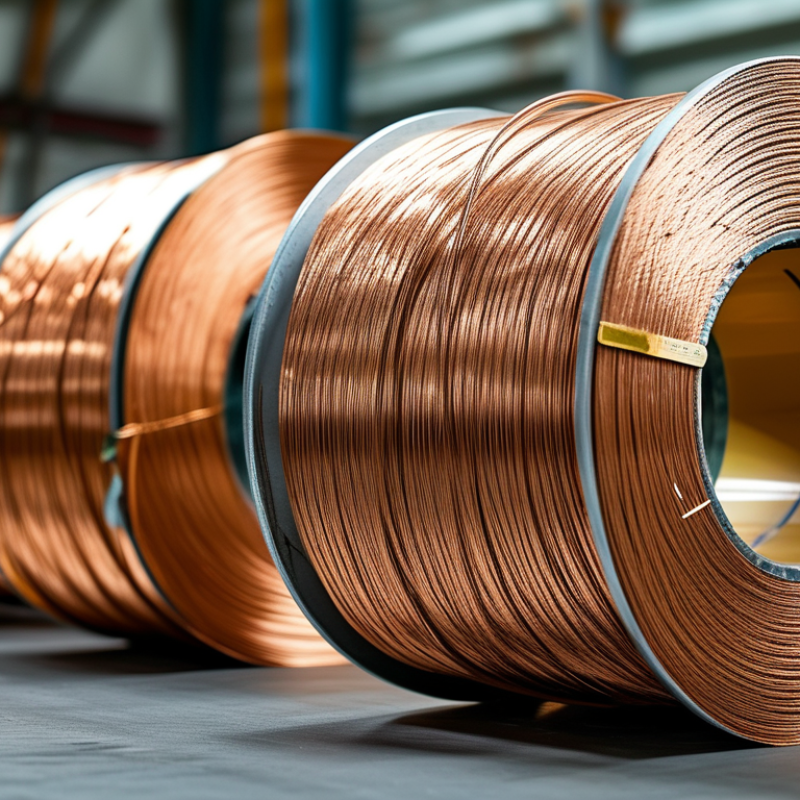
Why Choose Insulated Aluminum Wire for Your Electrical Needs?

Benefits of Insulated Aluminum Wire in Electrical Applications

Insulated aluminum wire offers several advantages in electrical applications. One key benefit is its lightweight properties. Compared with copper, aluminum wire is much lighter, making it easier to handle and install. This can significantly reduce labor costs. It is also corrosion-resistant, ensuring longevity in various environments. The insulation helps prevent accidental contact and improves safety during installation and use.

Another advantage is its conductivity. Insulated aluminum wires have excellent electrical conductivity, making them suitable for high-voltage applications. They can efficiently carry electrical current over long distances without excessive power loss. This makes aluminum an attractive option for utility companies. However, it is important to note that improper installation can lead to issues such as overheating or poor connections.

Choosing insulated aluminum wire reflects a practical mindset. Users must consider the specific needs of their projects. The benefits often outweigh the downsides, but careful handling is essential. Understanding the material's properties can instill confidence in its use.

Comparison of Insulated Aluminum Wire and Copper Wire

When comparing insulated aluminum wire and copper wire, several factors come into play. Insulated aluminum wire is often lighter, making installation easier. It has a lower cost, often 25% less than copper. According to the Aluminum Association, aluminum wire is about 61% the conductivity of copper. This means for certain applications, larger gauges may be necessary to achieve the same performance.

Insulated aluminum wire can perform well in residential and commercial settings. However, it requires specific handling. Data from the National Electrical Code (NEC) shows that proper installation reduces risks of overheating and other hazards. While copper wire is more conductive, its weight and cost make aluminum appealing for long runs. For example, larger aluminum conductors can handle significant loads safely when installed correctly.

**Tip:** Always check for proper connectors when using aluminum wire. Mismatched materials can lead to failures or even fire hazards.

One should also consider the lifespan of these wires. Copper has a longer life but is more susceptible to corrosion in certain environments. In contrast, aluminum can weaken over time due to oxide formation. It's essential to assess these factors for your specific project needs.

**Tip:** Regular inspections can prevent issues. Look for signs of wear or corrosion to maintain safety. Understanding both types of wire ensures informed decisions for electrical installations.

Why Choose Insulated Aluminum Wire for Your Electrical Needs? - Comparison of Insulated Aluminum Wire and Copper Wire

Property Insulated Aluminum Wire Copper Wire
Weight Lightweight Heavier
Conductivity 60% of copper 100%
Cost Lower cost Higher cost
Corrosion Resistance Moderate Better
Flexibility Less flexible More flexible
Application Residential and commercial Industrial
Thermal Conductivity Good Excellent
Installation Cost Lower installation cost Higher installation cost

Key Features of Insulated Aluminum Wire for Safety and Efficiency

Insulated aluminum wire offers several key features that enhance both safety and efficiency in electrical applications. One of the primary advantages is its lightweight nature. This can lead to easier installation and reduced labor costs. According to the Electrical Safety Foundation International, light wiring systems can decrease the load on infrastructure, enhancing overall safety during installation.

Additionally, insulated aluminum wire is designed to withstand various environmental conditions. The insulation provides a barrier against moisture and corrosion, which can compromise electrical systems. A study by the National Electrical Manufacturers Association indicates that insulated aluminum wire has a lifespan significantly longer than conventional wiring materials in humid environments. This durability reduces the risk of electrical failures and outages.

Another critical aspect is energy efficiency. Insulated aluminum wires have lower resistance compared to copper counterparts. This results in less energy loss during transmission. Reports suggest that using insulated aluminum wire can improve energy efficiency by up to 30%. However, it is essential to ensure proper termination and connections to maximize these benefits. Missteps in installation can lead to increased resistance and heat generation. Thus, careful planning and execution are vital for harnessing the advantages these wires offer.

Installation Guidelines for Using Insulated Aluminum Wire

When installing insulated aluminum wire, safety and efficiency are top priorities. Ensure that the wire is rated for your specific electrical applications. It's essential to use appropriate connectors and fittings designed for aluminum wires. This prevents overheating and maintains a strong electrical connection.

Tip: Always check local codes before beginning. They may have specific requirements for wire size and insulation type. A fire hazard exists if the installation doesn't meet local standards.

Make sure to strip the wire carefully. Avoid damaging the insulation. Inspect your work area for any moisture or debris. Both can compromise the wire’s efficiency and safety.

Tip: If you're unsure about any step, consult a professional. Mistakes can lead to costly and dangerous outcomes. Everyone makes errors, but being cautious is part of doing it right.

Common Applications of Insulated Aluminum Wire in Industry

Insulated aluminum wire is widely used across various industries. Its lightweight and corrosion-resistant properties make it ideal for applications like overhead transmission lines. These wires are also easier to handle than copper, which reduces installation costs and improves efficiency.

In the construction sector, insulated aluminum wire is commonly used for electrical installations in buildings and infrastructures. This type of wire can withstand harsh weather conditions, making it suitable for outdoor applications. Moreover, it is employed in solar power systems due to its conductive capabilities. These features highlight its versatility but also raise concerns about the impact of temperature fluctuations on its efficiency.

While insulated aluminum wire has many benefits, there are some limitations to consider. For example, its lower conductivity compared to copper may require larger gauge wires for the same application. Electrical professionals must carefully assess their project requirements to ensure optimal performance. The choice of insulated aluminum wire may not always be perfect, but it offers a reliable option for many electrical needs.

FAQS

: What are the main benefits of insulated aluminum wire?

: Insulated aluminum wire is lightweight, corrosion-resistant, and has excellent electrical conductivity. It enhances safety during installation.

How does insulated aluminum wire compare to copper in weight?

Insulated aluminum wire is much lighter than copper. This ease of handling can significantly lower labor costs.

What safety precautions should be taken during installation?

Always use connectors designed for aluminum wire. Check local codes and inspect for moisture or debris before installation.

Are there specific environments where insulated aluminum wire is particularly effective?

Yes, it is ideal for overhead transmission lines and outdoor applications due to its corrosion resistance and weather durability.

What should I do if I am unsure about the installation process?

It’s best to consult a professional if you're uncertain. Mistakes can be costly and dangerous, so be cautious.

Does insulated aluminum wire have limitations?

Yes, it may require larger gauge wires compared to copper for the same conductivity. This could affect efficiency in some cases.

Can insulated aluminum wire be used for high-voltage applications?

Yes, it can efficiently handle high-voltage applications, making it popular among utility companies.

How important is wire stripping during installation?

Properly strip the wire to avoid damaging insulation. This is crucial for maintaining safety and efficiency.

What impact does temperature have on insulated aluminum wire?

Temperature fluctuations can affect the wire's efficiency. Careful consideration of environmental factors is important.

Is choosing insulated aluminum wire a practical decision?

Yes, while it has downsides, its benefits often make it a reliable option for various electrical applications.

Conclusion

Insulated Aluminum Wire is becoming increasingly popular in various electrical applications due to its numerous benefits. Compared to traditional copper wire, Insulated Aluminum Wire offers comparable performance while being lighter and more cost-effective. It is specifically designed to enhance safety and efficiency, making it suitable for a wide range of installations. The key features of Insulated Aluminum Wire, such as its thermal resistance and durability, contribute to its reliability in demanding environments.

For successful implementation, understanding installation guidelines is crucial, as it ensures optimal performance and minimizes potential hazards. Common applications of Insulated Aluminum Wire span across multiple industries, including construction and telecommunications, demonstrating its versatility. As more professionals recognize the advantages of Insulated Aluminum Wire, it is poised to play a vital role in the future of electrical systems.

Mason

Mason

Mason is a seasoned marketing professional with a deep expertise in the company's offerings and a passion for driving brand awareness. With a strong background in digital marketing strategies, he has an innate ability to connect with diverse audiences and effectively communicate product benefits.......