
Choosing the right Magnet Rectangular Copper Wire can significantly impact your project’s efficiency and performance. According to the International Copper Association, copper remains a top choice for electrical applications due to its excellent conductivity and durability. In particular, Magnet Rectangular Copper Wire offers advantages such as reduced energy loss and improved heat dissipation.
However, not all copper wires are created equal. Variability in quality can affect performance and longevity. Data from market research suggests that properly insulated and manufactured wires lead to fewer failures in electrical systems. Consequently, understanding the specifications and applications of these wires is crucial for making informed decisions.
Furthermore, choosing the wrong wire could result in inefficiencies and higher operational costs. Industry experts emphasize the importance of aligning wire selection with specific electrical requirements. So, while the choices may seem overwhelming, taking the time to evaluate your needs will yield significant returns.
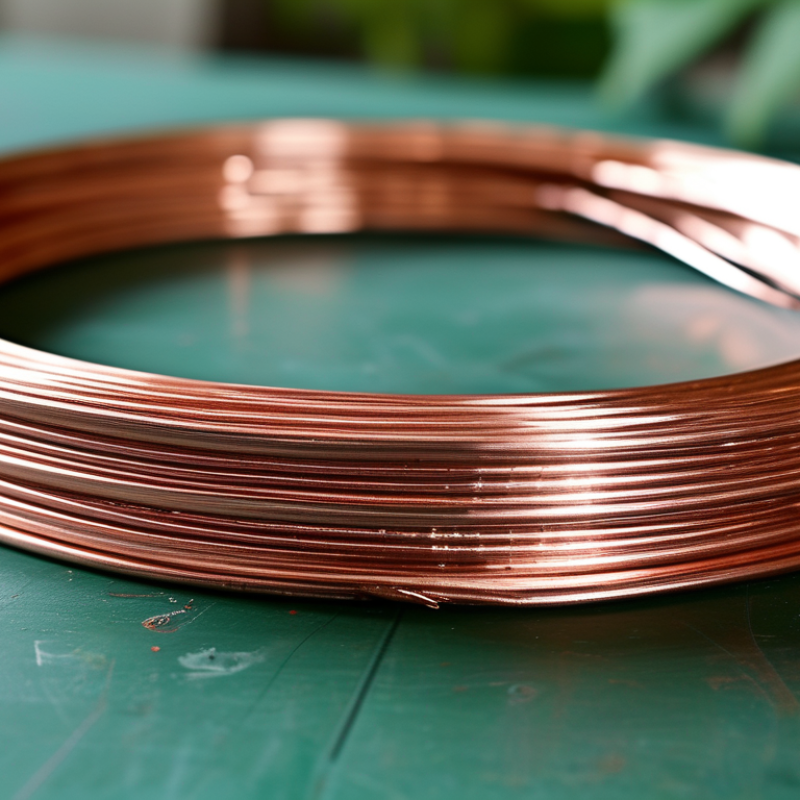
Magnet rectangular copper wire is essential in various applications, from electrical engineering to crafting. This wire has a unique rectangular shape that aids in efficient winding, making it suitable for creating transformers and inductors. Understanding its properties can help you select the right wire for your specific needs.
When exploring magnet rectangular copper wire, consider its gauge, insulation type, and conductivity. The gauge affects the current-carrying capacity, while insulation ensures safety and reliability. Different applications may require varying degrees of flexibility or temperature resistance. Depending on usage, some wires may perform better in specific environments. Testing different types can lead to surprising results.
Selecting the right wire can be challenging. You might find that a certain type doesn’t work as you expected. Sometimes, practical experiences reveal that theory doesn’t always match reality. Keeping an open mind and experimenting can provide insights beyond standard recommendations. Understanding the basics lays a solid foundation for making informed choices.
Identifying your specific electrical and mechanical needs is crucial when choosing magnet rectangular copper wire. Electrical requirements often dictate the gauge and insulation type. For low-voltage applications, thinner wire may suffice. However, higher voltage needs demand thicker wire with appropriate insulation to prevent short circuits and overheating.
Mechanical requirements also play a significant role. Consider the environment where the wire will be used. Is it exposed to moisture or extreme temperatures? Such factors affect durability and performance. Additionally, bendability and tensile strength are important for installations that require intricate layouts or support heavy loads. Evaluate these aspects carefully to ensure optimal operation.
It's common to overlook compatibility with existing systems. Mismatched specifications can lead to inefficiencies. Always cross-check wire ratings against manufacturer guidelines. Even minor discrepancies can lead to significant issues later on. A thoughtful approach to your specific electrical and mechanical needs will secure reliable performance in the long run.
When selecting the best magnet rectangular copper wire, understanding its quality and specifications is crucial. The wire’s conductivity plays a vital role in performance. High-purity copper is typically a go-to choice for optimal electrical conductivity. Remember, not all copper wires are created equal.
Wire gauge matters too. A thicker wire can carry more current but may be less flexible. Consider where you will use the wire. For tight spaces, a thinner gauge that bends easily might be preferable. Check the insulation material as well; it protects against heat and moisture.
Tips:
Overall, quality copper wire should make your project easier and more efficient. Some choices might initially seem ideal but can lead to issues later. Prioritize material quality for the best outcomes.
When selecting the right rectangular copper wire for your projects, it's vital to compare different brands and their price ranges. Several manufacturers offer various options, and prices can vary greatly. A cheaper brand might seem tempting, but lower quality can affect performance. Pay close attention to the wire's conductivity and insulation type.
Explore different specifications such as gauge and length. A thicker wire often provides better conductivity, while a thinner wire might be more flexible. Consider how you plan to use the wire. This affects your choice significantly. Some applications might require high performance, while others are less demanding.
Quality can vary, and not all brands are reliable. User reviews can provide insights into performance and durability. However, be cautious of overly positive reviews. Sometimes, they may not reflect the actual product experience. Make sure to gather a balanced view from multiple sources before making a decision.
When selecting copper wire products, understanding the key specifications is crucial. Not all copper wires are created equal. You must consider factors such as gauge, insulation type, and conductivity. According to the Copper Development Association, the electrical conductivity of copper is around 97%. However, even slight variations in purity levels can impact performance significantly.
Take gauge, for example. The size of the wire affects how much current it can safely carry. A wire that is too thin can overheat. This could lead to equipment damage or even fire hazards. It’s recommended to choose a wire gauge appropriate for the intended application. A study from the National Electrical Manufacturers Association suggests that selecting the correct gauge could improve efficiency by up to 25%.
Also, evaluate the insulation materials. They should withstand environmental conditions and voltage levels. Materials like PVC or rubber have specific temperature tolerances. This influences their longevity and reliability in various applications. Choosing the wrong insulation might save money initially, but it can lead to costly repairs. Inaccurate selections are common and often stem from inadequate research. Take time to reflect on your specific needs to ensure long-term success with your copper wire.
: It is used in electrical engineering, crafting, transformers, and inductors.
Consider gauge, insulation type, conductivity, and specific application needs.
Gauge impacts the current-carrying capacity and compatibility with voltage requirements.
Insulation ensures safety and prevents issues like short circuits and overheating.
Evaluate exposure to moisture, temperatures, and mechanical flexibility for optimal use.
Yes, real-world testing can reveal differences and improve your understanding.
Verify copper purity and inspect insulation ratings and winding consistency.
Mismatched specifications can lead to inefficiencies and future issues.
For intricate layouts, flexibility can be crucial, so choose the right gauge.
Take a thoughtful approach to evaluating your specific electrical and mechanical needs.
Choosing the best Magnet Rectangular Copper Wire involves understanding its fundamental properties, which are crucial for various electrical and mechanical applications. Start by identifying your specific needs, such as the wire's gauge, conductivity, and insulation type, to ensure optimal performance in your projects.
Next, evaluating the quality and specifications of different copper wire options is essential. Pay attention to factors such as wire purity and thermal resistance, as these can significantly impact performance. Additionally, comparing various brands and their price ranges can help you find the best value without compromising on quality. Finally, following best practices for selection and purchasing will ensure that you make informed decisions, leading to successful outcomes in your applications with Magnet Rectangular Copper Wire.
