How to Choose the Best Insulated Winding Wire for Your Needs?

Time:2026-08-06 Author:Sienna
0%

When selecting the right insulated winding wire, it’s crucial to consider various factors. As John Smith, a leading expert in electrical engineering, states, “Choosing the right insulated winding wire can greatly impact efficiency and performance.” This highlights the importance of making an informed decision.

Insulated winding wire comes in different types, materials, and insulation options, each serving distinct purposes. The right choice can enhance durability and conductivity. However, many people overlook details like temperature ratings and environmental conditions. Understanding these aspects can help avoid costly mistakes later.

The market is filled with options, yet not all insulated winding wires are created equal. It’s vital to consult with experts and conduct thorough research. While online reviews can help, they often lack depth. Engage with professionals who have hands-on experience in the industry. Their insights may uncover details you hadn’t considered.
How to Choose the Best Insulated Winding Wire for Your Needs?

Understanding Insulated Winding Wire Types and Their Applications

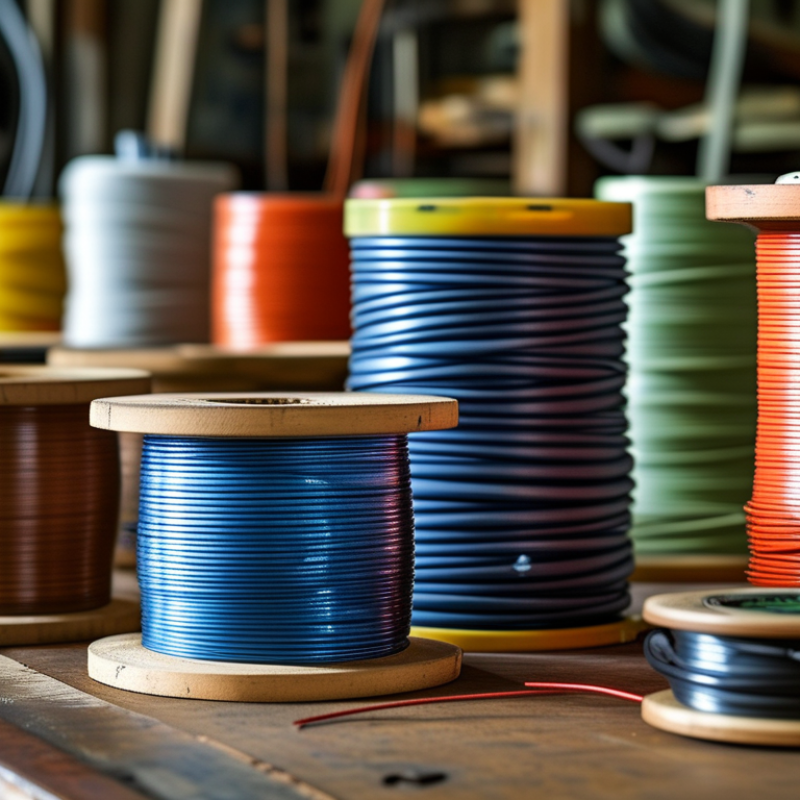
When selecting insulated winding wire, understanding the types available is crucial. Each type serves specific applications and has unique characteristics. Common types include enamel-coated, thermoplastic, and silicone-coated wires. Enamel-coated wires are known for flexibility and good thermal resistance. They are often used in transformers and inductors. Thermoplastic wires provide excellent mechanical protection and can withstand higher temperatures. These wires are suitable for various electric motors and generators.

It's important to consider the environment where the wire will be used. Humidity, temperature, and exposure to chemicals can affect performance. Silicone-coated wires, for example, offer superior durability in harsh environments. However, they may not be the best choice for all applications due to their cost. Analyzing your specific needs can lead to better wire choice. Consider factors like voltage ratings and wire gauge, as these details can make a difference in overall efficiency. Each decision can impact longevity and performance, so thoughtful evaluation is key.

Key Characteristics to Consider in Insulated Winding Wires

When selecting insulated winding wire, understanding key characteristics is crucial. One important aspect is the insulation material. Common options include PVC, polyurethane, and enamel. Each offers different benefits and limitations. PVC is cost-effective but less heat resistant than enamel. More expensive options provide better durability and performance under extreme conditions.

Next, consider the wire gauge. Choosing the correct gauge affects the wire's current-carrying capacity and overall efficiency. For specific applications, you may need thicker wire. Thicker wire can handle more current but is less flexible. It's essential to balance flexibility and performance based on your project needs.

Temperature rating is another vital factor. Insulation should withstand peak temperatures without degradation. Higher temperature ratings ensure safety over prolonged usage. However, higher-rated wires can be more costly. Assess your environmental conditions carefully. Make sure your choice is suitable for the operational environment. It's easy to overlook these elements, but doing so can lead to issues down the line. Investing time upfront leads to better long-term results.

Evaluating Thermal Ratings: Importance for Wire Performance

When selecting insulated winding wire, the thermal ratings are paramount for ensuring optimal performance. These ratings indicate how well the wire can handle heat without degrading. According to industry reports, wires with higher thermal ratings can operate efficiently in environments exceeding 200°C, making them suitable for demanding applications. Lack of attention to these ratings can lead to early insulation failure.

Choosing the right thermal class can directly impact the wire's longevity. For instance, silicone insulation can withstand temperatures up to 180°C, whereas polyimide may reach up to 260°C. Understanding these specifications helps in making informed choices. However, it's crucial not to overlook the wire's application environment. Factors such as humidity, exposure to chemicals, and mechanical stress can significantly affect thermal performance.

Some studies indicate that up to 30% of winding failures relate to improper thermal rating selections. This reflects the importance of thorough evaluation. Ignoring these factors can lead to costly replacements and downtimes. The decision process requires meticulous consideration of the specific application and its unique demands. Balancing thermal efficiency with other performance attributes is essential.

Comparing Insulation Materials: Polyimide, PVC, and Enamel

When selecting insulated winding wire, the choice of insulation materials is crucial. Polyimide, PVC, and enamel are popular options, each with unique characteristics. According to the International Electrotechnical Commission (IEC) standards, polyimide offers high thermal stability, withstanding temperatures up to 260°C. This makes it ideal for applications in extreme environments. However, its higher cost may deter some users.

PVC, on the other hand, has a lower thermal tolerance but excels in flexibility and ease of processing. It is often used in consumer electronics. A study by the American Wire Manufacturers Association shows that PVC can lower manufacturing costs by up to 15% compared to polyimide. Still, it does face limitations in high-temperature applications.

Enamel wire stands out for its compactness and robustness. It provides excellent dielectric properties, making it widely used in motors and transformers. However, its fragile nature raises concerns during installation. Professionals must handle it carefully to avoid damage. The balance between durability and flexibility in these materials is not always easy to achieve, leading to ongoing discussions in the industry about the best choices for specific applications.

Identifying Industry Standards and Certifications for Quality Assurance

When selecting insulated winding wire, understanding industry standards and certifications is crucial. The International Electrotechnical Commission (IEC) provides guidelines that ensure safety and performance. On the other hand, the American National Standards Institute (ANSI) outlines specifications for various wire types. Compliance with these standards is essential in maintaining quality assurance.

For instance, the IEC 60332 standard evaluates the flame resistance of insulated wires. This is critical for applications in crowded spaces. Additionally, certification from recognized bodies like Underwriters Laboratories (UL) can reflect a product's performance. A 2021 report shows that poor wire insulation accounts for up to 30% of electrical failures. This highlights the importance of choosing certified wire products.

It is vital to consider temperature ratings and dielectric strength. Wires must withstand operational conditions specific to their intended use. Some wires may declare compliance but lack adequate testing. Therefore, buyers should question certifications. A deeper understanding of these certifications can lead to better purchasing decisions. Quality wire contributes to both safety and efficiency, making awareness paramount.

FAQS

: What types of insulated winding wire are commonly used?

: Common types include enamel-coated, thermoplastic, and silicone-coated wires. Each serves different applications.

What are the advantages of enamel-coated wires?

Enamel-coated wires are flexible and have good thermal resistance. They are suitable for transformers and inductors.

Why is it important to consider the environment for wire selection?

Environmental factors like humidity and temperature impact wire performance. Choosing the wrong type can lead to issues.

What makes silicone-coated wires unique?

Silicone-coated wires provide excellent durability in harsh environments. However, they can be more expensive.

How does wire gauge affect performance?

The wire gauge affects current-carrying capacity. Thicker wires handle more current but are less flexible.

Why are temperature ratings significant?

Higher temperature ratings ensure insulation won't degrade. They enhance safety for prolonged wire usage.

Is PVC a good option for insulation?

PVC is cost-effective but less heat resistant. It may not perform well in extreme conditions.

How can the choice of insulation material affect performance?

Different insulation materials offer varying benefits. Choosing the right one impacts durability and efficiency.

Can overlooked details lead to issues?

Yes, overlooking factors like voltage ratings can cause serious problems later. Careful evaluation is key.

Is investing time in wire selection worth it?

Investing time leads to better long-term results. It ensures that performance and longevity are optimized.

Conclusion

When choosing the best Insulated Winding Wire, it is crucial to understand the various types available and their specific applications. The wire's performance is significantly influenced by key characteristics such as thermal ratings and insulation materials. For instance, common insulation options like polyimide, PVC, and enamel offer different benefits and limitations, making the selection process critical based on the intended use.

Additionally, adhering to industry standards and certifications ensures the quality and reliability of the Insulated Winding Wire. By carefully evaluating these factors, users can make informed decisions that enhance the performance and longevity of their electrical systems, ensuring optimal results in their applications.

Sienna

Sienna

Sienna is a skilled marketing professional with a deep expertise in our company’s core products and services. With a passion for innovation and detail, she plays a pivotal role in crafting insightful blog posts that not only highlight the unique features of our offerings but also provide valuable......