
Enameled Rectangular Aluminum Wire is gaining popularity in various industries. This preference stems from its remarkable benefits, which appeal to many buyers. Understanding these advantages is crucial for making informed purchasing decisions.
This wire type boasts superior insulation properties and excellent conductivity. Buyers often appreciate its lightweight nature, which facilitates easier handling and installation. Many industries rely on its versatility, as it can be used in motors, transformers, and other electrical applications. The durability of this wire type ensures long-term reliability, which is a significant consideration for manufacturers.
Yet, some potential buyers may overlook the initial cost compared to other materials. Additionally, not all suppliers provide the same quality. Therefore, research and consideration of reliable sources are essential. Recognizing the key benefits of Enameled Rectangular Aluminum Wire can enhance operational efficiency and productivity in various applications.
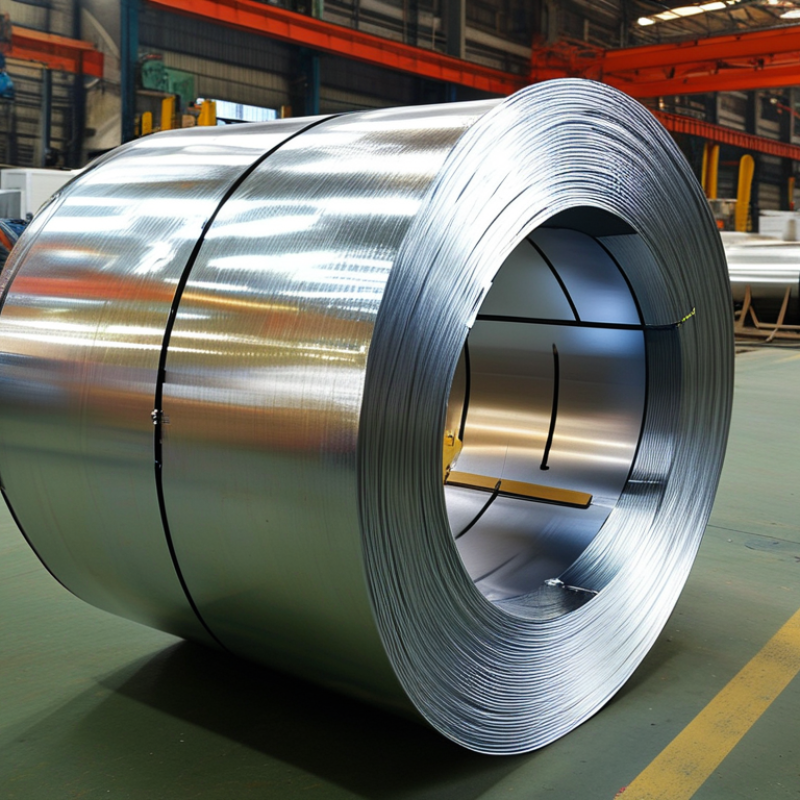
Enameled rectangular aluminum wire is gaining popularity in electrical applications. Its unique properties offer several advantages over traditional conductors. This wire type features a robust enamel coating that enhances its electrical insulation. According to industry reports, aluminum wire is at least 30% lighter than copper wire. This weight advantage allows for easier handling and installation in various projects.
In addition, the conductivity of aluminum wire is comparable to copper. Recent studies indicate that aluminum wire can achieve up to 61% of the conductivity of copper for similar dimensions. This makes it a cost-effective choice for electrical applications. The stability provided by the enamel coating protects the wire from corrosion and wear. As a result, the lifespan of enameled rectangular aluminum wire can be significantly prolonged.
There are some challenges to consider. The brittle nature of the enamel can lead to cracking if not handled properly. Moreover, the applications are sometimes limited by the wire's resistance to certain environmental factors. Buyers should weigh these factors against the benefits to determine suitability. Despite these concerns, the advantages of enameled rectangular aluminum wire in efficiency and durability make it a viable option for many electrical projects.
Enameled rectangular aluminum wire stands out for its enhanced thermal conductivity. This feature makes it suitable for various applications in electrical engineering. Efficient heat dissipation is crucial in preventing overheating, which can compromise performance. High thermal conductivity ensures that devices operate within safe temperature ranges.
In addition, the design of rectangular wire contributes to better packing density. This aspect maximizes efficiency in compact spaces, vital in modern electronic devices. While aluminum is lighter than copper, its thermal properties are improved with enamel insulation. This combination results in an optimal balance between weight and thermal management.
However, it's essential to consider that while enameled aluminum wire offers advantages, it may not be the best choice for all applications. Buyers must assess their specific needs carefully. The longevity and reliability of this wire depend on proper installation and usage. It's worth reflecting on potential benefits against the requirements of different projects.
Enameled aluminum wire is a versatile conductor. It's becoming a popular choice for various applications. When comparing costs, it often proves more cost-effective than traditional copper wiring. Buyers can minimize expenses without sacrificing performance.
Enameled aluminum wire is lightweight yet strong. This feature reduces shipping costs and makes installation easier. Whether used in electronics or power distribution, it holds up well. Durability and conductivity are remarkable for its price. However, some may question its reliability in high-stress applications. This is worth considering for specific use cases.
Using aluminum wire poses challenges as well. Compatibility with existing systems can be an issue. The need for careful handling arises to prevent insulation damage. Conductivity rates are typically lower than copper, which may concern certain users. Yet, the balance between cost and effectiveness remains appealing for many buyers. Choosing the right materials ultimately depends on project specifics. Conduct thorough research to avoid potential pitfalls.
| Benefit | Description | Cost-Effectiveness |
|---|---|---|
| 1. Lightweight | Enameled aluminum wire is significantly lighter than copper, reducing shipping and handling costs. | Lower transportation costs due to weight savings. |
| 2. High Conductivity | Offers excellent electrical conductivity suitable for various applications. | Provides competitive performance compared to pricier copper alternatives. |
| 3. Corrosion Resistance | Resistance to oxidation and moisture enhances durability. | Reduced maintenance costs due to longevity. |
| 4. Flexibility | Easy to work with and install in tight spaces. | Faster installation leads to reduced labor costs. |
| 5. Temperature Resistance | Can withstand higher temperatures without losing performance. | Lowers the risk of equipment failures and replacements. |
| 6. Cost-Effective Production | Lower raw material costs reduce overall manufacturing expenses. | Saves on production costs compared to copper wire. |
| 7. Eco-Friendly Options | Can be made from recycled materials, promoting sustainability. | Appeals to environmentally conscious consumers, possibly increasing sales. |
| 8. Versatile Applications | Suitable for a range of electrical devices and industries. | Broadens market potential without significant investment. |
| 9. Improved Safety | Lower risk of electrical shorts or fires due to insulation properties. | Reduced insurance costs due to lower risk. |
| 10. Custom Sizes | Available in various sizes and thicknesses to meet specific needs. | Reduces waste and optimizes material use. |
Enameled rectangular aluminum wire is known for its exceptional durability. The enamel coating provides robust protection against physical damage. This is crucial in applications where wires face wear and tear. A durable wire translates to fewer replacements, leading to cost savings. It is essential for buyers to consider the long-term benefits of investing in quality materials.
Corrosion resistance is another major advantage. Enameled aluminum wire withstands humid and salty environments. This feature is vital for industries operating near coastlines. Less corrosion means better performance and longevity. However, it’s important to evaluate the specific conditions of your working environment. Some buyers might overlook this factor, leading to premature failures.
Tips: Always check the specifications of the wire before purchasing. Understand the environmental factors at play. Consider the potential for unexpected corrosion. Proper insulation is also vital. Even with corrosion resistance, the insulation must endure the conditions of usage. It's worth seeking expert advice to avoid common pitfalls in wiring projects.
Enameled rectangular aluminum wire is gaining traction in various industries. Its unique properties make it a favorite in electrical applications. The automotive sector is one of the primary users. This wire is crucial for electric motors and generators, enhancing efficiency. Lightweight yet durable, it offers better performance with lower weight.
In the construction industry, this wire proves invaluable. It is used for overhead power lines, ensuring reliable electricity transmission. Manufacturers appreciate its corrosion resistance and thermal stability. These features are essential for safety and longevity in projects. Additionally, the electronics sector finds numerous applications for enameled aluminum wire. Devices like transformers and inductors benefit from reduced size without compromising power.
Companies are also exploring new uses. Unsurprisingly, there are challenges to address. Sourcing quality materials can be difficult, impacting production. Furthermore, as innovation progresses, keeping up with standards is crucial. The future looks promising, yet awareness of these hurdles is necessary for success.
: It offers enhanced electrical insulation due to its robust enamel coating.
Aluminum wire is at least 30% lighter than copper, aiding in easier handling.
Yes, aluminum wire can achieve up to 61% of copper's conductivity for similar dimensions.
The enamel coating provides stability and protects against corrosion and wear.
Yes, its brittle nature can lead to cracking if not handled properly.
It is used in automotive, construction, and electronics industries for various applications.
It enhances packing density, making it efficient for compact spaces.
They should assess their specific needs and weigh the benefits against potential limitations.
Yes, efficient heat dissipation is crucial to prevent overheating and ensure safe operation.
Sourcing quality materials can be difficult, affecting production processes.
Enameled Rectangular Aluminum Wire offers numerous advantages, making it a preferred choice in various electrical applications. Its enhanced thermal conductivity ensures efficient energy transfer, which is crucial for high-performance operations. Moreover, when compared to other conductors, Enameled Rectangular Aluminum Wire stands out for its cost-effectiveness, providing substantial savings while maintaining high-quality standards.
Additionally, this wire boasts remarkable durability and corrosion resistance, ensuring longevity and reduced maintenance in challenging environments. Its versatile applications span key industries such as automotive, telecommunications, and renewable energy, showcasing its importance in modern technology. Overall, the benefits of Enameled Rectangular Aluminum Wire position it as an invaluable component for buyers seeking reliable and efficient electrical solutions.
